Glossier Balm Dotcom Versus Mario Badescu Lip Balm
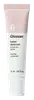
This lip moisturizer is formulated around Petrolatum and Ricinus Communis Seed Oil to hydrate lips.
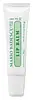
This barrier-repair lip moisturizer is formulated around Persea Gratissima Oil and Butyrospermum Parkii Butter to strengthen the lip barrier and hydrate lips.

What's inside
What's inside
 Key Ingredients
Benefits
Concerns
Ingredients Side-by-side

Hydrogenated Polydecene
EmollientCocoglycerides
Emollient


Ethylene/Propylene/Styrene Copolymer
Dimethicone
Emollient

Brassica Glycerides
EmollientPersea Gratissima Oil
Skin Conditioning



Glyceryl Behenate
Emollient
Microcrystalline Cellulose
AbsorbentPolyhydroxystearic Acid
Emulsifying
Jojoba Esters
Emollient
Helianthus Annuus Seed Wax
Skin Conditioning
Theobroma Cacao Seed Butter
Emollient
Prunus Amygdalus Dulcis Oil
Skin Conditioning
Butyrospermum Parkii Butter
Skin Conditioning
Silica Silylate
Emollient
Silica
Abrasive

Cera Alba
Emollient
Chamomilla Recutita Flower Extract
Masking

Raspberry Seed Oil/Tocopheryl Succinate Aminopropanediol Esters
Skin Conditioning
Dimethicone Crosspolymer
Emulsion Stabilising
Dimethicone/Vinyl Dimethicone Crosspolymer
Skin Conditioning
Aloe Barbadensis Leaf Extract
Emollient
Cocos Nucifera Oil
Masking
Glyceryl Rosinate
Perfuming
Hydrogenated Vegetable Oil
Emollient
Olea Europaea Oil Unsaponifiables
Skin Conditioning
Acacia Decurrens Flower Cera
Emollient
Tocopherol
Antioxidant




Butylene/Ethylene/Styrene Copolymer
Euphorbia Cerifera Wax
Polysorbate 80
Emulsifying
Polyglycerin-3
Humectant
Linoleic Acid
Cleansing
Hydrolyzed Corn Starch
HumectantSucralose
Skin ConditioningAroma
Linolenic Acid
Cleansing
Hydrated Silica
Abrasive
Pentaerythrityl Tetra-Di-T-Butyl Hydroxyhydrocinnamate
Antioxidant
Hydrogenated Polydecene, Cocoglycerides, Ethylene/Propylene/Styrene Copolymer, Dimethicone, Brassica Glycerides, Persea Gratissima Oil, Glyceryl Behenate, Microcrystalline Cellulose, Polyhydroxystearic Acid, Jojoba Esters, Helianthus Annuus Seed Wax, Theobroma Cacao Seed Butter, Prunus Amygdalus Dulcis Oil, Butyrospermum Parkii Butter, Silica Silylate, Silica, Cera Alba, Chamomilla Recutita Flower Extract, Raspberry Seed Oil/Tocopheryl Succinate Aminopropanediol Esters, Dimethicone Crosspolymer, Dimethicone/Vinyl Dimethicone Crosspolymer, Aloe Barbadensis Leaf Extract, Cocos Nucifera Oil, Glyceryl Rosinate, Hydrogenated Vegetable Oil, Olea Europaea Oil Unsaponifiables, Acacia Decurrens Flower Cera, Tocopherol, Butylene/Ethylene/Styrene Copolymer, Euphorbia Cerifera Wax, Polysorbate 80, Polyglycerin-3, Linoleic Acid, Hydrolyzed Corn Starch, Sucralose, Aroma, Linolenic Acid, Hydrated Silica, Pentaerythrityl Tetra-Di-T-Butyl Hydroxyhydrocinnamate
Reviews
Ingredients Explained
These ingredients are found in both products.
Ingredients higher up in an ingredient list are typically present in a larger amount.
This is another name for beeswax; it's a natural wax produced by honey bees to build their honeycomb.
Because it forms a protective layer on your skin, it can help lock in moisture and reduce water loss. It is also widely used as a thickener and emulsifier in lip balms and lotions. Research suggests beeswax containing moisturizers can support skin barrier integrity.
In comedogenic testing, Beeswax scored a 0-2, which is on the low end. Whether or not a product clogs your pores really comes down to the formula as a whole (not any single ingredient on its own) and your skin.
Beeswax is not vegan since it is animal-derived. It cannot be removed with water, but can be taken off with an oil cleanser.
People with a known Propolis allergy also report to have reactions from beeswax.
Beeswax's wax esters are derived primarily from palmitic and oleic acid (C16 and C18:1). Both of these fall within the C11-C24 feeding window.
The Malassezia yeast can potentially cleave these esters and release usable fatty acids, so this ingredient may not be fungal acne safe. However, not everyone will react to this ingredient.
Learn more about Cera AlbaTocopherol is a fat-soluble antioxidant known as Vitamin E.
You'll find this ingredient in the vast majority of skincare (for good reason). It works to neutralize free radicals, or unstable molecules generated by UV exposure, pollution, and other environmental stressors, before they can cause oxidative damage to your skin cells.
Topically applied tocopherol has been shown to protect against UV damage by ramping up the skin's own natural defense enzymes.
It also acts as a skin conditioning agent; some studies show that regular topical use can improve the skin's water-binding capacity over 2-4 weeks.
This ingredient is especially loved for being a team player. When combined with Vitamin C, the photoprotective effect of both ingredients roughly doubles and the combo also helps reduce UV-induced DNA damage.
This ingredient has some brightening potential but it's more of a prevention ingredient than spot-fader. Cell studies show it can slow down melanin production but it's worth noting that it's not the most powerful brightener out there.
In formulations, it also serves as a stabilizer that helps protect other oxidation-prone ingredients from degrading.
Concentrations usually range from 0.1-1% in most leave-on products.
Learn more about Tocopherol

