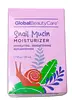
This barrier-repair moisturizer is formulated around Snail Secretion Filtrate and Lactobacillus Ferment to strengthen the skin barrier and hydrate skin.
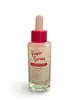
This anti-aging serum is formulated around Niacinamide and Retinol to soften the look of wrinkles and brighten dull-looking skin.

What's inside
What's inside
 Key Ingredients
Benefits
Concerns
Ingredients Side-by-side
Water
Skin ConditioningSorbitol
Humectant

Glycerin
Humectant
Glycereth-26
Humectant
Snail Secretion Filtrate
Skin Conditioning


Propanediol
Solvent
Carbomer
Emulsion StabilisingArginine
Masking
Lactobacillus Ferment
Skin Conditioning
Phenoxyethanol
Preservative
Allantoin
Skin Conditioning
Chlorphenesin
Antimicrobial
Milk Protein
Skin ConditioningInositol
Humectant
Lactobacillus Ferment Lysate
Skin Conditioning
Caprylhydroxamic Acid
ChelatingStyrene/Acrylates Copolymer
Glyceryl Caprylate
EmollientEthylhexylglycerin
Skin ConditioningButylene Glycol
Humectant
Tremella Fuciformis Extract
Humectant
Copper Tripeptide-1
Skin Conditioning

Glycolic Acid
Buffering









Cucumis Sativus Fruit Extract
Emollient
Hyaluronic Acid
Humectant
1,2-Hexanediol
Skin Conditioning
Hydroxyacetophenone
Antioxidant
Water, Sorbitol, Glycerin, Glycereth-26, Snail Secretion Filtrate, Propanediol, Carbomer, Arginine, Lactobacillus Ferment, Phenoxyethanol, Allantoin, Chlorphenesin, Milk Protein, Inositol, Lactobacillus Ferment Lysate, Caprylhydroxamic Acid, Styrene/Acrylates Copolymer, Glyceryl Caprylate, Ethylhexylglycerin, Butylene Glycol, Tremella Fuciformis Extract, Copper Tripeptide-1, Glycolic Acid, Cucumis Sativus Fruit Extract, Hyaluronic Acid, 1,2-Hexanediol, Hydroxyacetophenone
Water
Skin ConditioningGlycerin
Humectant
Propylene Glycol
Humectant
Propanediol
Solvent
Niacinamide
Smoothing
Acrylates/C10-30 Alkyl Acrylate Crosspolymer
Emulsion StabilisingArginine
Masking
Synthetic Fluorphlogopite
Chlorphenesin
Antimicrobial
Hyaluronic Acid
Humectant
Retinol
Skin Conditioning
Hydrolyzed Elastin
EmollientHydrolyzed Collagen
Emollient
Pearl Extract
Antioxidant
3-O-Ethyl Ascorbic Acid
Skin Conditioning
Allantoin
Skin Conditioning
Xanthan Gum
EmulsifyingPEG-40 Hydrogenated Castor Oil
Emulsifying

Caprylhydroxamic Acid
ChelatingPhenoxyethanol
Preservative
Titanium Dioxide
Cosmetic Colorant

Glyceryl Caprylate
EmollientHydroxyacetophenone
Antioxidant
Acetyl Hexapeptide-8
Humectant
Palmitoyl Pentapeptide-4
Skin Conditioning
Parfum
Masking

Ethylhexylglycerin
Skin ConditioningTocopheryl Acetate
Antioxidant
Tin Oxide
Abrasive
Ceramide NP
Skin Conditioning
Ceramide As
Skin Conditioning
CI 75470
Cosmetic ColorantWater, Glycerin, Propylene Glycol, Propanediol, Niacinamide, Acrylates/C10-30 Alkyl Acrylate Crosspolymer, Arginine, Synthetic Fluorphlogopite, Chlorphenesin, Hyaluronic Acid, Retinol, Hydrolyzed Elastin, Hydrolyzed Collagen, Pearl Extract, 3-O-Ethyl Ascorbic Acid, Allantoin, Xanthan Gum, PEG-40 Hydrogenated Castor Oil, Caprylhydroxamic Acid, Phenoxyethanol, Titanium Dioxide, Glyceryl Caprylate, Hydroxyacetophenone, Acetyl Hexapeptide-8, Palmitoyl Pentapeptide-4, Parfum, Ethylhexylglycerin, Tocopheryl Acetate, Tin Oxide, Ceramide NP, Ceramide As, CI 75470
Reviews
Ingredients Explained
These ingredients are found in both products.
Ingredients higher up in an ingredient list are typically present in a larger amount.
Allantoin is a soothing ingredient known for its protective and moisturizing properties; it's basically a quiet workhorse ingredient you can find in a huge range of cosmetics.
Though it can be derived from the comfrey plant, allantoin is produced synthetically for cosmetic products to ensure purity.
Research shows it can encourage your skin cells to turn over and renew by stimulating keratinocyte and fibroblast proliferation.
It also has mild keratolytic properties to help loosen and shed dead skin cells without being harsh.
Studies also suggest allantoin can help calm inflammation by dialing down some of the chemical signals your skin sends out when it is irritated.
This ingredient is typically used in the 0.1-0.5% range, and the FDA recognizes it as a skin protectant in OTC products up to 2%.
Overall, allantoin is a wonderful addition to most routines; it is stable across a wide pH range (~4-8), works well with other ingredients, and is considered non-sensitizing/non-irritating.
Fun fact: Allantoin is naturally occurring in comfrey root, beets, chamomile, and wheat sprouts. Our bodies even produce it as a byproduct of uric acid metabolism.
Learn more about AllantoinArginine is a semi-essential amino acid. This just means our bodies can product a bit on its own, but sometimes needs a little boost from food sources.
It is a part of your skin's natural moisturizing factor (NMF), or the water-loving molecules in your outermost layer of skin (stratum corneum) that keeps everything hydrated and happy.
Here's an interesting thing about Arginine: your skin converts it into urea through the Krebs-Henseleit urea cycle. Urea is one of the most effective humectants your skin naturally produces.
A clinical study showed applying 2.5% arginine hydrochloride to atopic dermatitis skin showed significant urea levels in the stratum corneum and improved moisture in just four weeks.
Arginine is also a precursor to nitric oxide; nitric oxide improves microcirculation and supports wound healing and collagen synthesis.
One study found that an amino acid complex containing Arginine reduced skin irritation, improved hydration, and accelerated skin repair in clinical / in-vivo studies.
Arginine itself is an amino acid and not a fatty acid, oil, or ester. On its own, it's not a direct food source for Malassezia, or the yeast that causes fungal acne.
Learn more about ArginineCaprylhydroxamic Acid is a chelating agent that helps cosmetics stay fresh, stable, and consistent over time.
Chelating agents help prevent metal ions from binding to other ingredients. This helps prevent unwanted reactions and effects from using the product. It also helps prevent the growth of unwanted microbes in products that contain water.
Caprylhydroxamic Acid is often used with natural antimicrobial products as an alternative to preservatives.
Learn more about Caprylhydroxamic AcidChlorphenesin is a synthetic preservative. It helps protect a product against bacteria in order to extend shelf life. In most cases, Chlorphenesin is paired with other preservatives such as phenoxyethanol and caprylyl glycol.
Chlorphenesin is a biocide. This means it is able to help fight the microorganisms on our skin. It is also able to fight odor-releasing bacteria.
Chlorphenesin is soluble in both water and glycerin.
Studies show Chlorphenesin is easily absorbed by our skin. You should speak with a skincare professional if you have concerns about using Chlorphenesin.
Learn more about ChlorphenesinEthylhexylglycerin is created from glycerin. It is a multitasker ingredient that:
The CIR Expert Panel found minimal skin absorption or sensitization of any kind in a safety assessment. Though this ingredient is considered well-tolerated, a small number of cases of allergic dermatitis have been published since 2002. Just be sure to patch test if you are unsure.
Industry-reported use ranges from 8% in rinse-off products and 2% in leave-on formulations.
Learn more about EthylhexylglycerinGlycerin (or glycerol) is a compound naturally found in your skin. It's a powerhouse humectant that pulls water into the stratum corneum.
Topically, glycerin does several things at once:
Your skin makes glycerin on its own (mostly from sebaceous oil breakdown) and shuttles it to your outermost layer of skin, or your epidermis, via aquaporin-3.
Aquaporin-3 is a transporter that is essential for normal skin hydration, elasticity, and repair. Interestingly, mice lacking in AQP3 have dry and less elastic skin that can be fully corrected with glycerin.
This ingredient is non-irritating, plays well with almost every ingredient, and works across all skin types. Typical use is anywhere between 3-10% but can go up to 79% in some leave-on products.
Just know very high concentrations (>40%) can feel tacky in low humidity.
Glycerin is the name for this ingredient in American English. British English uses Glycerol/Glycerine.
Learn more about GlycerinGlyceryl Caprylate comes from glycerin and caprylic acid. It is an emollient, co-emulsifier, and preservative booster.
Its short C8 fatty acid chain makes it behave differently from its longer-chain emollient cousins like Glyceryl Stearate. It feels more lightweight, fast-absorbing, and silky instead of rich and waxy.
As a co-emulsifier, its "head" and "tail" sit at the oil-water interface. But overall, the short C8 tail and not being water soluble means it doesn't really have the muscle to emulsify a formula on its own. That's why you'll often see it paired with a primary emulsifier like Cetearyl Glucoside.
Interestingly, Glyceryl Caprylate acts as a preservative booster. This is because its fatty-acid backbone disrupts microbial lipid membranes. It shows excellent activity against bacteria and yeast but is weaker against mold.
Typical concentrations range from 0.5-1% and this ingredient is generally non-irritating.
Because this ingredient has a C8 fatty acid chain, it is outside the range that the Malassezia yeast metabolizes (making it fungal acne safe).
Learn more about Glyceryl CaprylateHyaluronic acid (HA) is a glycosaminoglycan (basically a long sugar chain) that your skin already makes on its own. In your skin, HA lives in the extracellular matrix and acts as the body's moisture reservoir.
Topically, HA is a humectant that binds water and helps skin look more plump, smooth, and hydrated.
The only catch is that HA isn't a single thing; it actually comes in a wide range of molecular weights (~50 - 2,000+ kDA) and size matters.
Some clinical evidence links low molecular weight versions to improved wrinkle depth, elasticity, anti-inflammatory effects, and barrier repair.
This is why the best HA serums blend the two sizes together so you get the best of both worlds.
The majority of cosmetic HA is produced by bacterial fermentation, typically using Streptococcus or Bacillus strains. Typical use levels in skincare sit around 0.1-2%.
A clinical study using a 0.2% low-molecular weight HA gel showed improvement in facial seborrheic dermatitis with excellent tolerance.
These are some other common types of Hyaluronic Acid:
Learn more about Hyaluronic AcidHydroxyacetophenone is a small phenolic molecule that earns its place in a formulas as an antioxidant and preservative booster.
As a phenol, it is able to neutralize free radicals to protect both the product and the skin from oxidative stress.
Though it can't kill microbes on its own, it works as a good supporting agent when combined with other preservatives like Phenoxyethanol or 1,2-Hexanediol.
This ingredient naturally occurs as piceol in Norwegian spruce needles (~0.4-1.1% dry weight and in cloudberries). Though the cosmetic-grade material is synthesized for purity and consistency.
You'll usually see it used at low levels and suppliers recommend up to 1% added to a water phase.
Safety testing was done at concentrations like 0.05% in SPF products and 0.5% in a Human Repeated Insult Patch Test. The safety evidence is assuring; this ingredient is safe for cosmetics in current use and also holds safety status as a food flavoring as well.
An honest caveat: the "soothing" and "anti-inflammatory" claims come mostly from supplier marketing rather than published clinical trials. The Cosmetic Ingredient Review's own literature search found no useful efficacy studies on this ingredient.
So the antioxidant and preservative-boosting roles are the well supported ones while the calming benefit is plausible but thinly evidenced.
Overall, this is a well-tolerated, low-irritation multitasker that quietly helps a formula stay fresh and stable.
Learn more about HydroxyacetophenonePhenoxyethanol is one of the most widely used preservatives in skincare (and for good reason!).
It has a large spectrum of antimicrobial activity and especially effective bacteria, yeast, and mold while only having a weak effect on your skin's natural microbiome.
On a cellular level, it disrupts the cell membranes of microbes by poking holes that make the cell leak. This shuts down the chemical reactions the microbe needs to make energy so it can no longer survive.
Another perk of this ingredient is that it stays functional across a wide pH range (3-10).
You'll often see it paired with boosters like Ethylhexylglycerin; one study showed that a 1:9 ratio of Ethylhexylglycerin to Phenoxyethanol damages bacterial membranes as effectively as doubling the Phenoxyethanol concentration on its own.
Typical use concentrations range from 0.3-1% depending on the formula, and this ingredient is capped at 1% int the EU.
Safety-wise, the fear mongering does not hold up to the evidence. The EU's Scientific Committee on Consumer Safety and FDA consider it safe as a preservative at up to 1%, including for children of all ages.
Adverse systemic effects only showed up in animal studies at exposures roughly 200x higher than what people get from cosmetics. And despite its very widespread use, this ingredient is a rare sensitizer and allergic reactions are uncommon.
Learn more about PhenoxyethanolPropanediol is an all-star ingredient. It softens, hydrates, and smooths the skin.
It’s often used to:
Propanediol is not likely to cause sensitivity and considered safe to use. It is derived from corn or petroleum with a clear color and no scent.
Learn more about PropanediolWater. It's the most common cosmetic ingredient of all. You'll usually see it at the top of ingredient lists, meaning that it makes up the largest part of the product.
So why is it so popular? Water most often acts as a solvent - this means that it helps dissolve other ingredients into the formulation.
You'll also recognize water as that liquid we all need to stay alive. If you see this, drink a glass of water. Remember to stay hydrated!
Learn more about Water

