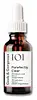
This pore-care serum is formulated around Salicylic Acid and Sarcosine to refine the look of pores and clear breakouts.
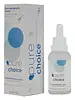
This pore-care serum is formulated around Niacinamide and Zinc PCA to refine the look of pores and balance excess oil.


What's inside
What's inside
 Key Ingredients
Benefits
Concerns
Ingredients Side-by-side
Water
Skin ConditioningNiacinamide
Smoothing











Zinc PCA
Humectant
Hamamelis Virginiana Leaf Extract
Skin Conditioning

Salix Alba Bark Water
Astringent
Pyrus Malus Fruit Water
MaskingArginine
Masking
Allantoin
Skin Conditioning
Panthenol
Skin Conditioning
Sodium PCA
Humectant
Sodium Acetate
BufferingIsopropyl Alcohol
Solvent


Salicylic Acid
Masking

Glycolic Acid
Buffering

Lactic Acid
Buffering
Avena Sativa Leaf Extract
AstringentCucumis Sativus Fruit Extract
Emollient
Serenoa Serrulata Fruit Extract
Skin Conditioning
Aesculus Hippocastanum Seed Extract
Skin ConditioningYeast Extract
Skin ConditioningAmmonium Glycyrrhizate
MaskingPhenoxyethanol
Preservative
Hydroxyethylcellulose
Emulsion StabilisingSodium Acetylated Hyaluronate
Humectant
Xanthan Gum
EmulsifyingSodium Hyaluronate
Humectant
Sodium Hyaluronate Crosspolymer
Humectant
Hydrolyzed Sodium Hyaluronate
Skin Conditioning
Polysorbate 20
Emulsifying
Ethylhexylglycerin
Skin ConditioningTetrasodium EDTA
Sodium Benzoate
Masking
Potassium Sorbate
Preservative
Water, Niacinamide, Zinc PCA, Hamamelis Virginiana Leaf Extract, Salix Alba Bark Water, Pyrus Malus Fruit Water, Arginine, Allantoin, Panthenol, Sodium PCA, Sodium Acetate, Isopropyl Alcohol, Salicylic Acid, Glycolic Acid, Lactic Acid, Avena Sativa Leaf Extract, Cucumis Sativus Fruit Extract, Serenoa Serrulata Fruit Extract, Aesculus Hippocastanum Seed Extract, Yeast Extract, Ammonium Glycyrrhizate, Phenoxyethanol, Hydroxyethylcellulose, Sodium Acetylated Hyaluronate, Xanthan Gum, Sodium Hyaluronate, Sodium Hyaluronate Crosspolymer, Hydrolyzed Sodium Hyaluronate, Polysorbate 20, Ethylhexylglycerin, Tetrasodium EDTA, Sodium Benzoate, Potassium Sorbate
Reviews
Ingredients Explained
These ingredients are found in both products.
Ingredients higher up in an ingredient list are typically present in a larger amount.
Allantoin is a soothing ingredient known for its protective and moisturizing properties; it's basically a quiet workhorse ingredient you can find in a huge range of cosmetics.
Though it can be derived from the comfrey plant, allantoin is produced synthetically for cosmetic products to ensure purity.
Research shows it can encourage your skin cells to turn over and renew by stimulating keratinocyte and fibroblast proliferation.
It also has mild keratolytic properties to help loosen and shed dead skin cells without being harsh.
Studies also suggest allantoin can help calm inflammation by dialing down some of the chemical signals your skin sends out when it is irritated.
This ingredient is typically used in the 0.1-0.5% range, and the FDA recognizes it as a skin protectant in OTC products up to 2%.
Overall, allantoin is a wonderful addition to most routines; it is stable across a wide pH range (~4-8), works well with other ingredients, and is considered non-sensitizing/non-irritating.
Fun fact: Allantoin is naturally occurring in comfrey root, beets, chamomile, and wheat sprouts. Our bodies even produce it as a byproduct of uric acid metabolism.
Learn more about AllantoinSalicylic Acid (also known as beta hydroxy acid or BHA) is a well-known ingredient for treating skin that struggles with acne and clogged pores. It exfoliates both the skin's surface and deep within the pores to help clear out buildup, control oil, and reduce inflammation.
Unlike AHAs (alpha hydroxy acids), salicylic acid is oil-soluble. This allows it to penetrate into pores which makes it especially effective for treating blackheads and preventing future breakouts.
Salicylic acid is also known for its soothing properties. It has a similar structure to aspirin and can calm inflamed or irritated skin, making it a good option for acne-prone skin that is also sensitive.
Concentrations of 0.5-2% are recognized by the U.S. FDA as an over-the-counter topical acne product.
It can cause irritation and/or dryness if one's skin already has a compromised moisture barrier, so it's best to focus on repairing that before introducing this ingredient into your routine.
While salicylic acid does not increase sun sensitivity, it’s still important to wear sunscreen daily to protect your skin.
If you are looking for the ingredient called BHA or Butylated Hydroxyanisole, click here.
Learn more about Salicylic AcidWater. It's the most common cosmetic ingredient of all. You'll usually see it at the top of ingredient lists, meaning that it makes up the largest part of the product.
So why is it so popular? Water most often acts as a solvent - this means that it helps dissolve other ingredients into the formulation.
You'll also recognize water as that liquid we all need to stay alive. If you see this, drink a glass of water. Remember to stay hydrated!
Learn more about WaterXanthan gum is used as a stabilizer and thickener within cosmetic products. It helps give products a sticky, thick feeling - preventing them from being too runny.
On the technical side of things, xanthan gum is a polysaccharide - a combination consisting of multiple sugar molecules bonded together.
Xanthan gum is a pretty common and great ingredient. It is a natural, non-toxic, non-irritating ingredient that is also commonly used in food products.
Learn more about Xanthan Gum

