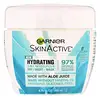
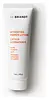
Garnier SkinActive 3-in-1 Face Moisturizer with Aloe Versus Dr. Brandt Skincare Hydrating Primer Lotion
This wash off mask is formulated around Salicylic Acid to clear breakouts and unclog pores.
This oil-control moisturizer is formulated around Silica and Mandelic Acid to balance excess oil and refine skin texture.


What's inside
What's inside
 Key Ingredients
Benefits
Concerns
Ingredients Side-by-side
Water
Skin ConditioningGlycerin
Humectant


Aloe Barbadensis Leaf Juice
Skin Conditioning

Dicaprylyl Ether
Emollient
Alcohol Denat.
Antimicrobial




Caprylic/Capric Triglyceride
Masking
Zea Mays Starch
Absorbent
Polyglyceryl-3 Methylglucose Distearate
Emulsifying
Stearyl Alcohol
Emollient
Glyceryl Stearate Se
Emulsifying

Carbomer
Emulsion StabilisingSalicylic Acid
Masking





Caprylyl Glycol
Emollient
Tocopherol
Antioxidant



Parfum
Masking

Sodium Hydroxide
BufferingXanthan Gum
EmulsifyingSodium Phytate
ChelatingGlycine Soja Oil
Emollient
Citric Acid
Buffering
Potassium Sorbate
Preservative
Sodium Benzoate
Masking
Water, Glycerin, Aloe Barbadensis Leaf Juice, Dicaprylyl Ether, Alcohol Denat., Caprylic/Capric Triglyceride, Zea Mays Starch, Polyglyceryl-3 Methylglucose Distearate, Stearyl Alcohol, Glyceryl Stearate Se, Carbomer, Salicylic Acid, Caprylyl Glycol, Tocopherol, Parfum, Sodium Hydroxide, Xanthan Gum, Sodium Phytate, Glycine Soja Oil, Citric Acid, Potassium Sorbate, Sodium Benzoate
Water
Skin ConditioningPropanediol
Solvent
Silica
Abrasive
Caprylic/Capric Triglyceride
Masking
Dicaprylyl Carbonate
EmollientC14-22 Alcohols
Emulsion Stabilising
Sodium Polyacrylate
Absorbent
Maltodextrin
Absorbent
C12-20 Alkyl Glucoside
EmulsifyingCetyl Alcohol
Emollient
Microcrystalline Cellulose
AbsorbentSodium Benzoate
Masking
Xanthan Gum
EmulsifyingLevulinic Acid
Perfuming
Glycerin
Humectant
Mandelic Acid
Antimicrobial
Salicylic Acid
Masking
Sodium Levulinate
Skin ConditioningSodium Phytate
ChelatingPunica Granatum Bark Extract
MaskingPistacia Lentiscus Gum
MaskingHydrogenated Lecithin
Emulsifying
Sodium Hydroxide
BufferingMelaleuca Alternifolia Leaf Oil
Antioxidant
Phenethyl Alcohol
MaskingPunica Granatum Pericarp Extract
Skin ConditioningEthylhexylglycerin
Skin ConditioningTocopherol
Antioxidant
Water, Propanediol, Silica, Caprylic/Capric Triglyceride, Dicaprylyl Carbonate, C14-22 Alcohols, Sodium Polyacrylate, Maltodextrin, C12-20 Alkyl Glucoside, Cetyl Alcohol, Microcrystalline Cellulose, Sodium Benzoate, Xanthan Gum, Levulinic Acid, Glycerin, Mandelic Acid, Salicylic Acid, Sodium Levulinate, Sodium Phytate, Punica Granatum Bark Extract, Pistacia Lentiscus Gum, Hydrogenated Lecithin, Sodium Hydroxide, Melaleuca Alternifolia Leaf Oil, Phenethyl Alcohol, Punica Granatum Pericarp Extract, Ethylhexylglycerin, Tocopherol
Ingredients Explained
These ingredients are found in both products.
Ingredients higher up in an ingredient list are typically present in a larger amount.
Caprylic/Capric Triglyceride (aka MCT Oil) is a lightweight emollient, solvent, and texture enhancer. It is considered a skin-softener by helping to prevent moisture loss.
Though it behaves like an oil, it is not technically one due to its chemical composition. One perk of this ingredient is that it is very stable, resistant to oxidation, and unlikely to go rancid.
In practice, that translates to a long shelf life and a consistently elegant skin feel.
While there is an assumption Caprylic Triglyceride can clog pores due to it being derived from coconut oil, there is no research supporting this. Just patch test if you have concerns.
Fractionated coconut oil and MCT Oil are both listed as Caprylic/Capric Triglyceride according to INCI. This is because INCI names are based on the ingredient’s final chemical composition and not its marketing name or source.
This ingredient is treated as the gold standard fungal acne safe oil. Even though it is coconut derived, the problematic lauric acid is stripped out.
This leaves just caprylic (C8) and capric (C10) acid. These chain lengths actually trend antifungal; a 2020 study found caprylic acid was enough to disrupt Malassezia furfur cell membrane, with a caprylic acid derivative damaging membrane structures at concentrations as low as 0.2%.
Learn more about Caprylic/Capric TriglycerideGlycerin (or glycerol) is a compound naturally found in your skin. It's a powerhouse humectant that pulls water into the stratum corneum.
Topically, glycerin does several things at once:
Your skin makes glycerin on its own (mostly from sebaceous oil breakdown) and shuttles it to your outermost layer of skin, or your epidermis, via aquaporin-3.
Aquaporin-3 is a transporter that is essential for normal skin hydration, elasticity, and repair. Interestingly, mice lacking in AQP3 have dry and less elastic skin that can be fully corrected with glycerin.
This ingredient is non-irritating, plays well with almost every ingredient, and works across all skin types. Typical use is anywhere between 3-10% but can go up to 79% in some leave-on products.
Just know very high concentrations (>40%) can feel tacky in low humidity.
Glycerin is the name for this ingredient in American English. British English uses Glycerol/Glycerine.
Learn more about GlycerinSalicylic Acid (also known as beta hydroxy acid or BHA) is a well-known ingredient for treating skin that struggles with acne and clogged pores. It exfoliates both the skin's surface and deep within the pores to help clear out buildup, control oil, and reduce inflammation.
Unlike AHAs (alpha hydroxy acids), salicylic acid is oil-soluble. This allows it to penetrate into pores which makes it especially effective for treating blackheads and preventing future breakouts.
Salicylic acid is also known for its soothing properties. It has a similar structure to aspirin and can calm inflamed or irritated skin, making it a good option for acne-prone skin that is also sensitive.
Concentrations of 0.5-2% are recognized by the U.S. FDA as an over-the-counter topical acne product.
It can cause irritation and/or dryness if one's skin already has a compromised moisture barrier, so it's best to focus on repairing that before introducing this ingredient into your routine.
While salicylic acid does not increase sun sensitivity, it’s still important to wear sunscreen daily to protect your skin.
If you are looking for the ingredient called BHA or Butylated Hydroxyanisole, click here.
Learn more about Salicylic AcidSodium Benzoate is a preservative. It's used in both cosmetic and food products to inhibit the growth of mold and bacteria. It is typically produced synthetically.
Both the US FDA and EU Health Committee have approved the use of sodium benzoate. In the US, levels of 0.1% (of the total product) are allowed.
Sodium benzoate works as a preservative by inhibiting the growth of bacteria inside of cells. It prevents the cell from fermenting a type of sugar using an enzyme called phosphofructokinase.
It is the salt of benzoic acid. Foods containing sodium benzoate include soda, salad dressings, condiments, fruit juices, wines, and snack foods.
Studies for using ascorbic acid and sodium benzoate in cosmetics are lacking, especially in skincare routines with multiple steps.
We always recommend speaking with a professional, such as a dermatologist, if you have any concerns.
Learn more about Sodium BenzoateSodium Hydroxide is also known as lye or caustic soda. It is used to adjust the pH of products; many ingredients require a specific pH to be effective.
In small amounts, sodium hydroxide is considered safe to use. However, large amounts may cause chemical burns due to its high alkaline.
Your skin has a natural pH and acid mantle. This acid mantle helps prevent harmful bacteria from breaking through. The acid mantle also helps keep your skin hydrated.
"Alkaline" refers to a high pH level. A low pH level would be considered acidic.
Learn more about Sodium HydroxideSodium Phytate is the sodium salt of Phytic acid, a compound that plants store phosphorus in. It's the plant-derived alternative to ingredients like Disodium EDTA.
In skincare, this ingredient is a chelator that grabs onto trace metal ions like iron and copper that sneak into formulas through water/raw materials.
Those metals speed up oxidation so binding them keeps oils, fragrance, and actives from going off, stops color changes, and helps the preservative system work harder.
Survey data shows usage levels range from 0.0099%-0.5% in leave-on products, 0.025%-0.3% in rinse-off, and up to 0.05% in eye-area products. Suppliers typically recommend a range between 0.05-0.5%.
Learn more about Sodium PhytateTocopherol is a fat-soluble antioxidant known as Vitamin E.
You'll find this ingredient in the vast majority of skincare (for good reason). It works to neutralize free radicals, or unstable molecules generated by UV exposure, pollution, and other environmental stressors, before they can cause oxidative damage to your skin cells.
Topically applied tocopherol has been shown to protect against UV damage by ramping up the skin's own natural defense enzymes.
It also acts as a skin conditioning agent; some studies show that regular topical use can improve the skin's water-binding capacity over 2-4 weeks.
This ingredient is especially loved for being a team player. When combined with Vitamin C, the photoprotective effect of both ingredients roughly doubles and the combo also helps reduce UV-induced DNA damage.
This ingredient has some brightening potential but it's more of a prevention ingredient than spot-fader. Cell studies show it can slow down melanin production but it's worth noting that it's not the most powerful brightener out there.
In formulations, it also serves as a stabilizer that helps protect other oxidation-prone ingredients from degrading.
Concentrations usually range from 0.1-1% in most leave-on products.
Learn more about TocopherolWater. It's the most common cosmetic ingredient of all. You'll usually see it at the top of ingredient lists, meaning that it makes up the largest part of the product.
So why is it so popular? Water most often acts as a solvent - this means that it helps dissolve other ingredients into the formulation.
You'll also recognize water as that liquid we all need to stay alive. If you see this, drink a glass of water. Remember to stay hydrated!
Learn more about WaterXanthan gum is used as a stabilizer and thickener within cosmetic products. It helps give products a sticky, thick feeling - preventing them from being too runny.
On the technical side of things, xanthan gum is a polysaccharide - a combination consisting of multiple sugar molecules bonded together.
Xanthan gum is a pretty common and great ingredient. It is a natural, non-toxic, non-irritating ingredient that is also commonly used in food products.
Learn more about Xanthan Gum

