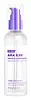
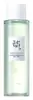
Frankly AHA 8.05 Clearing & Exfoliating Toner Versus Beauty of Joseon Green Plum Refreshing Toner : AHA + BHA
This smoothing toner is formulated around Glycolic Acid to refine skin texture and clear breakouts.
This smoothing toner is formulated around Glycolic Acid and Salicylic Acid to refine skin texture and clear breakouts.

What's inside
What's inside
 Key Ingredients
Benefits
Concerns
Ingredients Side-by-side
Water
Skin ConditioningGlycolic Acid 8.05%
Buffering











Arginine
Masking
Butylene Glycol
Humectant
Glycerin
Humectant
1,2-Hexanediol
Skin Conditioning
Caprylyl Glycol
Emollient
Hydroxyacetophenone
Antioxidant
Sodium PCA
Humectant
Centella Asiatica Leaf Extract
Skin Conditioning
Artemisia Vulgaris Extract
Skin Conditioning
Terminalia Ferdinandiana Fruit Extract
Antioxidant
Citrus Limon Fruit Extract
Masking
Polyglyceryl-10 Laurate
Skin Conditioning
Polyglyceryl-4 Laurate
Emulsifying
Caprylyl/Capryl Glucoside
CleansingPortulaca Oleracea Extract
Skin Conditioning
Xanthan Gum
EmulsifyingPropanediol
Solvent
Asiaticoside
Antioxidant
Asiatic Acid
Skin Conditioning
Madecassic Acid
Skin Conditioning
Ethylhexylglycerin
Skin ConditioningGlycine
Buffering
Glutamic Acid
Humectant
Serine
Masking
Aspartic Acid
Masking
Leucine
Skin ConditioningAlanine
Masking
Lysine
Skin ConditioningTyrosine
MaskingPhenylalanine
Masking
Threonine
Proline
Skin Conditioning
Valine
MaskingIsoleucine
Skin ConditioningHistidine
Humectant
Methionine
Skin ConditioningCysteine
Antioxidant
Eucalyptus Dives Leaf Oil
Perfuming


Water, Glycolic Acid 8.05%, Arginine, Butylene Glycol, Glycerin, 1,2-Hexanediol, Caprylyl Glycol, Hydroxyacetophenone, Sodium PCA, Centella Asiatica Leaf Extract, Artemisia Vulgaris Extract, Terminalia Ferdinandiana Fruit Extract, Citrus Limon Fruit Extract, Polyglyceryl-10 Laurate, Polyglyceryl-4 Laurate, Caprylyl/Capryl Glucoside, Portulaca Oleracea Extract, Xanthan Gum, Propanediol, Asiaticoside, Asiatic Acid, Madecassic Acid, Ethylhexylglycerin, Glycine, Glutamic Acid, Serine, Aspartic Acid, Leucine, Alanine, Lysine, Tyrosine, Phenylalanine, Threonine, Proline, Valine, Isoleucine, Histidine, Methionine, Cysteine, Eucalyptus Dives Leaf Oil
Water
Skin ConditioningPrunus Mume Fruit Water
HumectantDipropylene Glycol
HumectantGlycerin
Humectant
Glycolic Acid
Buffering
Butylene Glycol
Humectant
Tromethamine
Buffering1,2-Hexanediol
Skin Conditioning
Hydroxyacetophenone
Antioxidant
Salicylic Acid
Masking



Ethylhexylglycerin
Skin ConditioningVigna Radiata Seed Extract
Skin ConditioningDisodium EDTA
ChelatingMelia Azadirachta Leaf Extract
Skin ConditioningMelia Azadirachta Flower Extract
Skin ConditioningCoccinia Indica Fruit Extract
Skin Conditioning
Ocimum Sanctum Leaf Extract
Skin ConditioningCurcuma Longa Root Extract
Antioxidant
Aloe Barbadensis Flower Extract
EmollientSolanum Melongena Fruit Extract
Skin ConditioningCorallina Officinalis Extract
Skin Conditioning
C12-14 Pareth-12
EmulsifyingXanthan Gum
EmulsifyingOctyldodeceth-16
EmulsifyingWater, Prunus Mume Fruit Water, Dipropylene Glycol, Glycerin, Glycolic Acid, Butylene Glycol, Tromethamine, 1,2-Hexanediol, Hydroxyacetophenone, Salicylic Acid, Ethylhexylglycerin, Vigna Radiata Seed Extract, Disodium EDTA, Melia Azadirachta Leaf Extract, Melia Azadirachta Flower Extract, Coccinia Indica Fruit Extract, Ocimum Sanctum Leaf Extract, Curcuma Longa Root Extract, Aloe Barbadensis Flower Extract, Solanum Melongena Fruit Extract, Corallina Officinalis Extract, C12-14 Pareth-12, Xanthan Gum, Octyldodeceth-16
Reviews
Ingredients Explained
These ingredients are found in both products.
Ingredients higher up in an ingredient list are typically present in a larger amount.
1,2-Hexanediol is a synthetic liquid and another multi-functional powerhouse.
It is a:
- Humectant, drawing moisture into the skin
- Emollient, helping to soften skin
- Solvent, dispersing and stabilizing formulas
- Preservative booster, enhancing the antimicrobial activity of other preservatives
Butylene Glycol (or BG) is used within cosmetic products for a few different reasons:
Overall, Butylene Glycol is a safe and well-rounded ingredient that works well with other ingredients.
Though this ingredient works well with most skin types, some people with sensitive skin may experience a reaction such as allergic rashes, closed comedones, or itchiness.
Learn more about Butylene GlycolEthylhexylglycerin is created from glycerin. It is a multitasker ingredient that:
The CIR Expert Panel found minimal skin absorption or sensitization of any kind in a safety assessment. Though this ingredient is considered well-tolerated, a small number of cases of allergic dermatitis have been published since 2002. Just be sure to patch test if you are unsure.
Industry-reported use ranges from 8% in rinse-off products and 2% in leave-on formulations.
Learn more about EthylhexylglycerinGlycerin (or glycerol) is a compound naturally found in your skin. It's a powerhouse humectant that pulls water into the stratum corneum.
Topically, glycerin does several things at once:
Your skin makes glycerin on its own (mostly from sebaceous oil breakdown) and shuttles it to your outermost layer of skin, or your epidermis, via aquaporin-3.
Aquaporin-3 is a transporter that is essential for normal skin hydration, elasticity, and repair. Interestingly, mice lacking in AQP3 have dry and less elastic skin that can be fully corrected with glycerin.
This ingredient is non-irritating, plays well with almost every ingredient, and works across all skin types. Typical use is anywhere between 3-10% but can go up to 79% in some leave-on products.
Just know very high concentrations (>40%) can feel tacky in low humidity.
Glycerin is the name for this ingredient in American English. British English uses Glycerol/Glycerine.
Learn more about GlycerinGlycolic Acid is arguably the most famous alpha hydroxy acid (AHA) with tons of research backing its benefits.
It is found naturally in sugar cane but the form used in skincare is usually synthetic for purity and stability.
Glycolic acid removes the top layer of dead skin cells to allow newer and fresher ones to emerge.
AHAs work by breaking down the structural “glue” that holds old skin cells in place. When that buildup is gone, your skin can renew itself more efficiently.
Research also shows glycolic acid stimulates collagen production, helping to firm and thicken the skin over time. This is one of its biggest advantages over other AHAs.
Overall, glycolic acid helps with:
Fun fact: Glycolic acid boosts skin hydration by helping it produce molecules that increase hyaluronic acid naturally.
To work best, glycolic acid products should have a pH between 3-4 (that’s where exfoliation is most effective but still gentle on skin).
The pH and concentration of a product are key to its effectiveness:
It is normal to feel a slight stinging sensation when using glycolic acid. This usually fades as your skin adjusts.
Because glycolic acid has the smallest molecular size in the AHA family, it can penetrate deeper, which enhances its effectiveness but also makes it more likely to irritate sensitive skin.
If your skin is very sensitive or prone to rosacea, glycolic acid may be too strong; in that case, try milder options like lactic acid or a PHA instead.
Recent studies suggest glycolic acid might even help protect against UV damage. But don’t skip sunscreen! Freshly exfoliated skin is more sensitive to the sun.
Glycolic acid is a skincare superstar. It smooths, brightens, hydrates, and firms the skin. Unless you’re highly sensitive, it’s well worth adding to your routine.
Read more about some other popular AHA's here:
Learn more about Glycolic AcidHydroxyacetophenone is a small phenolic molecule that earns its place in a formulas as an antioxidant and preservative booster.
As a phenol, it is able to neutralize free radicals to protect both the product and the skin from oxidative stress.
Though it can't kill microbes on its own, it works as a good supporting agent when combined with other preservatives like Phenoxyethanol or 1,2-Hexanediol.
This ingredient naturally occurs as piceol in Norwegian spruce needles (~0.4-1.1% dry weight and in cloudberries). Though the cosmetic-grade material is synthesized for purity and consistency.
You'll usually see it used at low levels and suppliers recommend up to 1% added to a water phase.
Safety testing was done at concentrations like 0.05% in SPF products and 0.5% in a Human Repeated Insult Patch Test. The safety evidence is assuring; this ingredient is safe for cosmetics in current use and also holds safety status as a food flavoring as well.
An honest caveat: the "soothing" and "anti-inflammatory" claims come mostly from supplier marketing rather than published clinical trials. The Cosmetic Ingredient Review's own literature search found no useful efficacy studies on this ingredient.
So the antioxidant and preservative-boosting roles are the well supported ones while the calming benefit is plausible but thinly evidenced.
Overall, this is a well-tolerated, low-irritation multitasker that quietly helps a formula stay fresh and stable.
Learn more about HydroxyacetophenoneWater. It's the most common cosmetic ingredient of all. You'll usually see it at the top of ingredient lists, meaning that it makes up the largest part of the product.
So why is it so popular? Water most often acts as a solvent - this means that it helps dissolve other ingredients into the formulation.
You'll also recognize water as that liquid we all need to stay alive. If you see this, drink a glass of water. Remember to stay hydrated!
Learn more about WaterXanthan gum is used as a stabilizer and thickener within cosmetic products. It helps give products a sticky, thick feeling - preventing them from being too runny.
On the technical side of things, xanthan gum is a polysaccharide - a combination consisting of multiple sugar molecules bonded together.
Xanthan gum is a pretty common and great ingredient. It is a natural, non-toxic, non-irritating ingredient that is also commonly used in food products.
Learn more about Xanthan Gum

