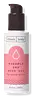
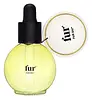
frank body Rosehip Dry Body Oil Versus fur Fur Oil
This hydrating oil is formulated around Vitis Vinifera Seed Oil and Simmondsia Chinensis Seed Oil to hydrate skin and clear breakouts.


What's inside
What's inside
 Key Ingredients
Benefits
Concerns
Ingredients Side-by-side
Helianthus Annuus Seed Oil
Emollient



Isopropyl Myristate
Emollient



Caprylic/Capric Triglyceride
Masking

Glycine Soja Oil
Emollient

Heptyl Undecylenate
EmollientRosa Canina Seed Oil
Emollient
Parfum
Masking

Cocos Nucifera Oil
Masking
Vitis Vinifera Seed Oil
Emollient
Helianthus Annuus Extract
Emollient
Rosmarinus Officinalis Leaf Extract
AntimicrobialTocopherol
Antioxidant



Macadamia Ternifolia Seed Oil
Emollient
Prunus Amygdalus Dulcis Oil
Skin Conditioning
Simmondsia Chinensis Seed Oil
Emollient
Theobroma Cacao Seed Butter
Emollient
Mentha Piperita Oil
Masking


Moringa Oleifera Seed Oil
Emollient
Punica Granatum Seed Oil
Emollient
Shorea Robusta Seed Butter
Emollient
Tocopheryl Acetate
Antioxidant
Aloe Barbadensis Leaf Extract
Emollient
Althaea Officinalis Root Extract
Skin Conditioning
Coffea Arabica Seed Oil
Masking
Benzyl Alcohol
Perfuming

Helianthus Annuus Seed Oil, Isopropyl Myristate, Caprylic/Capric Triglyceride, Glycine Soja Oil, Heptyl Undecylenate, Rosa Canina Seed Oil, Parfum, Cocos Nucifera Oil, Vitis Vinifera Seed Oil, Helianthus Annuus Extract, Rosmarinus Officinalis Leaf Extract, Tocopherol, Macadamia Ternifolia Seed Oil, Prunus Amygdalus Dulcis Oil, Simmondsia Chinensis Seed Oil, Theobroma Cacao Seed Butter, Mentha Piperita Oil, Moringa Oleifera Seed Oil, Punica Granatum Seed Oil, Shorea Robusta Seed Butter, Tocopheryl Acetate, Aloe Barbadensis Leaf Extract, Althaea Officinalis Root Extract, Coffea Arabica Seed Oil, Benzyl Alcohol


Reviews
Ingredients Explained
These ingredients are found in both products.
Ingredients higher up in an ingredient list are typically present in a larger amount.
This essential oil is steam-distilled from peppermint leaves, also known as peppermint oil. It's mainly used for scent in skincare but also provides that signature "cooling" sensation.
Peppermint oil is a "feels amazing" ingredient until it doesn't.
At higher doses or for those with sensitive skin, methol-type cooling can quickly turn into burning/irritation. It can also trigger irritant dermatitis or even allergic contact dermatitis. In a large patch-test dataset, peppermint oil had a low but positive rate for this.
In cosmetics, Cosmetic Safety Reviews (CIR) concludes that peppermint oil is safe to use when formulated to be non-sensitizing with some restrictions; for instance, pulegone, a naturally occurring component of peppermint oil, should not exceed 1%.
Since peppermint oil contains fragrance allergens such as limonene, linalool, and menthol, it can be sensitizing for those with rosacea, eczema, a broken skin barrier, or just sensitive skin in general.
In Japan, this ingredient is known as Hakka Yu.
Learn more about Mentha Piperita OilJojoba oil is one of the most well-studied plant-derived ingredients in cosmetics. It is an emollient with a special structure.
Because it is made up of 97-98% wax esters, it closely mirrors the linear monoesters found in human sebum. This makes it skin compatible, non-greasy, and lightweight.
Unlike other plant oils, jojoba wax doesn't easily penetrate skin. It mostly works in the uppermost layers as an emollient. This just means it forms a light barrier on the skin to help retain moisture.
Formulations with jojoba esters up to 90% reduced transepidermal water loss (TEWL) and increased barrier recovery by 81% (outperforming bisabolol at 47%).
Besides barrier support, the science also suggests jojoba to have anti-inflammatory effects and potential applications for skin infections, aging, and wound healing.
Fun fact: Indigenous cultures have used jojoba as a moisturizer and to help treat burns for centuries.
Fungal acne: The Malassezia yeast is known to metabolize fatty acids in the C11-24 range and jojoba's dominant fatty acid components fall into this range. This ingredient may not be fungal acne safe.
Learn more about Simmondsia Chinensis Seed OilVitis Vinifera Seed Oil comes from the grape vine. Grape seeds are a byproduct of creating grape juice or wine.
The components of grape seeds have many skin benefits. Research has found it to be antimicrobial and anti-inflammatory. It also contains many potent antioxidants such as Vitamin E , Vitamin C, proanthocyanidins, polyphenols, flavonoids, and anthocyanins. Proanthocyanidin has been shown to help even out skin tone.
Antioxidants help fight free-radical molecules. Free-radical molecules are capable of damaging our cells and other genetic material. Antioxidants help stabilize free-radicals by donating extra electrons. Grape seed extract may help reduce the signs of aging.
The antimicrobial properties of grape seed may help treat acne. However, more research is needed to support this claim.
Grape seed has also been found to help absorb UV rays. Grape seed extract should not replace your sunscreen.
The fatty acids of grape seed oil give it emollient properties. Emollients help soothe and soften your skin by creating a film. This film traps moisture within, keeping your skin hydrated.
Learn more about Vitis Vinifera Seed Oil

