Florence Organics Siero alla Vitamina C e Acido Ialuronico Versus The INKEY List 15% Vitamin C And EGF Serum
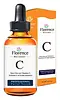
This brightening serum is formulated around Sodium Ascorbyl Phosphate and Ferulic Acid to brighten dull-looking skin and hydrate skin.
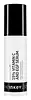
This brightening serum is formulated around Ascorbyl Glucoside to brighten dull-looking skin and fade the look of dark spots.


What's inside
What's inside
 Key Ingredients
Benefits
Concerns
Ingredients Side-by-side
Water
Skin ConditioningSodium Ascorbyl Phosphate
Antioxidant







Aloe Barbadensis Leaf Juice
Skin Conditioning

Glycerin
Humectant
Ferulic Acid
Antimicrobial
Hydrolyzed Hyaluronic Acid
Humectant
Sodium Hyaluronate
Humectant
Arginine
Masking
Taraxacum Officinale Extract
Skin ConditioningCentella Asiatica Extract
Cleansing
Equisetum Arvense Extract
AstringentCitrus Aurantium Amara Flower Water
MaskingHamamelis Virginiana Leaf Extract
Skin Conditioning

Simmondsia Chinensis Seed Oil
Emollient


Citrus Aurantium Dulcis Peel Oil
Masking
Phytic Acid
Chelating
Benzyl Alcohol
Perfuming




Tocopheryl Acetate
Antioxidant
Polyglyceryl-4 Caprate
EmulsifyingLimonene
Perfuming
Xanthan Gum
EmulsifyingEthylhexylglycerin
Skin ConditioningPotassium Sorbate
Preservative
Sodium Benzoate
Masking
Water, Sodium Ascorbyl Phosphate, Aloe Barbadensis Leaf Juice, Glycerin, Ferulic Acid, Hydrolyzed Hyaluronic Acid, Sodium Hyaluronate, Arginine, Taraxacum Officinale Extract, Centella Asiatica Extract, Equisetum Arvense Extract, Citrus Aurantium Amara Flower Water, Hamamelis Virginiana Leaf Extract, Simmondsia Chinensis Seed Oil, Citrus Aurantium Dulcis Peel Oil, Phytic Acid, Benzyl Alcohol, Tocopheryl Acetate, Polyglyceryl-4 Caprate, Limonene, Xanthan Gum, Ethylhexylglycerin, Potassium Sorbate, Sodium Benzoate


Reviews
Ingredients Explained
These ingredients are found in both products.
Ingredients higher up in an ingredient list are typically present in a larger amount.
Benzyl Alcohol is an aromatic alcohol with several roles: it's a preservative, solvent, and mild fragrance component with a floral scent.
This ingredient has been deemed safe for use in cosmetic formulations at concentrations up to 5%, and up to 10% in hair dyes. You'll typically see 0.5-2% in most rinse-off or leave-on products.
As a preservative, it works by disrupting the membrane of microbial proteins. This helps keep bacteria and fungi from growing in your products.
The sensitization picture is actually quite assuring as well:of nearly 71,000 patients patch tested with benzyl alcohol, only 0.21% showed a positive reaction with most of them being weakly positive.
This led researchers to conclude that benzyl alcohol cannot be regarded as a significant contact allergen.
It is worth noting this ingredient is classified as one of the EU's regulated fragrance allergens and restricted to 1% in finished products.
Labels must also declare it in concentrations above 0.001% in leave-on products and 0.01% in rinse-off products.
At concentrations around 5%, localized redness and itching can appear as a direct irritant response and not as a true allergic reaction.
Learn more about Benzyl AlcoholEthylhexylglycerin is created from glycerin. It is a multitasker ingredient that:
The CIR Expert Panel found minimal skin absorption or sensitization of any kind in a safety assessment. Though this ingredient is considered well-tolerated, a small number of cases of allergic dermatitis have been published since 2002. Just be sure to patch test if you are unsure.
Industry-reported use ranges from 8% in rinse-off products and 2% in leave-on formulations.
Learn more about EthylhexylglycerinPhytic Acid is a gentle AHA and antioxidant. AHAs are chemical exfoliants that help remove dead skin cells. Phytic Acid has a slight and mild exfoliating effect.
The chemical makeup makes it classified as an AHA, much like lactic acid.
In some cases, it is a chelating agent. Chelating agents help prevent metals from binding to water, helping to stabilize the ingredients in a product.
An interesting fact about phytic acid is that it is considered an antinutrient. People do not have the enzyme needed to properly breakdown and digest phytic acid. When ingested, phytic acid binds to minerals and prevents them from being absorbed.
Read more about some other popular AHA's here:
Learn more about Phytic AcidWater. It's the most common cosmetic ingredient of all. You'll usually see it at the top of ingredient lists, meaning that it makes up the largest part of the product.
So why is it so popular? Water most often acts as a solvent - this means that it helps dissolve other ingredients into the formulation.
You'll also recognize water as that liquid we all need to stay alive. If you see this, drink a glass of water. Remember to stay hydrated!
Learn more about WaterXanthan gum is used as a stabilizer and thickener within cosmetic products. It helps give products a sticky, thick feeling - preventing them from being too runny.
On the technical side of things, xanthan gum is a polysaccharide - a combination consisting of multiple sugar molecules bonded together.
Xanthan gum is a pretty common and great ingredient. It is a natural, non-toxic, non-irritating ingredient that is also commonly used in food products.
Learn more about Xanthan Gum

