

What's inside
What's inside
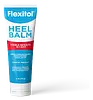 Key Ingredients
Benefits
Concerns
Ingredients Side-by-side
Water
Skin ConditioningUrea
Buffering



Lanolin
Emollient




Cetearyl Alcohol
Emollient


Paraffinum Liquidum
Emollient
Glyceryl Stearate
Emollient
Decyl Oleate
Emollient
PEG-20 Stearate
Emulsifying
Paraffin
Skin Conditioning
Phenoxyethanol
Preservative
Sodium PCA
Humectant
Butyrospermum Parkii Butter
Skin Conditioning
Allantoin
Skin Conditioning

Glycolic Acid
Buffering







Panthenol
Skin Conditioning
Tocopheryl Acetate
Antioxidant

Benzyl Alcohol
Perfuming



Melaleuca Alternifolia Leaf Oil
Antioxidant
Arginine
Masking
Aloe Barbadensis Leaf Juice
Skin Conditioning
Parfum
Masking
Water, Urea, Lanolin, Cetearyl Alcohol, Paraffinum Liquidum, Glyceryl Stearate, Decyl Oleate, PEG-20 Stearate, Paraffin, Phenoxyethanol, Sodium PCA, Butyrospermum Parkii Butter, Allantoin, Glycolic Acid, Panthenol, Tocopheryl Acetate, Benzyl Alcohol, Melaleuca Alternifolia Leaf Oil, Arginine, Aloe Barbadensis Leaf Juice, Parfum
Water
Skin ConditioningPropylene Glycol
Humectant
Petrolatum
Emollient
Paraffinum Liquidum
Emollient
Glycolic Acid
Buffering
Mandelic Acid
Antimicrobial
Lactic Acid
Buffering
Gluconolactone
Chelating
Stearyl Alcohol
Emollient
Cera Alba
Emollient
PEG-40 Stearate
Emulsifying
Sorbitan Stearate
Emulsifying
Arginine
Masking
Dimethicone
Emollient
Cetyl Alcohol
Emollient
Maltobionic Acid
Buffering
Tocopheryl Acetate
Antioxidant
Magnesium Aluminum Silicate
Absorbent
Xanthan Gum
EmulsifyingAmmonium Hydroxide
BufferingDisodium EDTA
ChelatingSodium Bisulfite
Antioxidant
Methylparaben
Preservative

Propylparaben
Preservative
CI 17200
Cosmetic ColorantCI 19140
Cosmetic ColorantWater, Propylene Glycol, Petrolatum, Paraffinum Liquidum, Glycolic Acid, Mandelic Acid, Lactic Acid, Gluconolactone, Stearyl Alcohol, Cera Alba, PEG-40 Stearate, Sorbitan Stearate, Arginine, Dimethicone, Cetyl Alcohol, Maltobionic Acid, Tocopheryl Acetate, Magnesium Aluminum Silicate, Xanthan Gum, Ammonium Hydroxide, Disodium EDTA, Sodium Bisulfite, Methylparaben, Propylparaben, CI 17200, CI 19140
Reviews
Ingredients Explained
These ingredients are found in both products.
Ingredients higher up in an ingredient list are typically present in a larger amount.
Arginine is a semi-essential amino acid. This just means our bodies can product a bit on its own, but sometimes needs a little boost from food sources.
It is a part of your skin's natural moisturizing factor (NMF), or the water-loving molecules in your outermost layer of skin (stratum corneum) that keeps everything hydrated and happy.
Here's an interesting thing about Arginine: your skin converts it into urea through the Krebs-Henseleit urea cycle. Urea is one of the most effective humectants your skin naturally produces.
A clinical study showed applying 2.5% arginine hydrochloride to atopic dermatitis skin showed significant urea levels in the stratum corneum and improved moisture in just four weeks.
Arginine is also a precursor to nitric oxide; nitric oxide improves microcirculation and supports wound healing and collagen synthesis.
One study found that an amino acid complex containing Arginine reduced skin irritation, improved hydration, and accelerated skin repair in clinical / in-vivo studies.
Arginine itself is an amino acid and not a fatty acid, oil, or ester. On its own, it's not a direct food source for Malassezia, or the yeast that causes fungal acne.
Learn more about ArginineGlycolic Acid is arguably the most famous alpha hydroxy acid (AHA) with tons of research backing its benefits.
It is found naturally in sugar cane but the form used in skincare is usually synthetic for purity and stability.
Glycolic acid removes the top layer of dead skin cells to allow newer and fresher ones to emerge.
AHAs work by breaking down the structural “glue” that holds old skin cells in place. When that buildup is gone, your skin can renew itself more efficiently.
Research also shows glycolic acid stimulates collagen production, helping to firm and thicken the skin over time. This is one of its biggest advantages over other AHAs.
Overall, glycolic acid helps with:
Fun fact: Glycolic acid boosts skin hydration by helping it produce molecules that increase hyaluronic acid naturally.
To work best, glycolic acid products should have a pH between 3-4 (that’s where exfoliation is most effective but still gentle on skin).
The pH and concentration of a product are key to its effectiveness:
It is normal to feel a slight stinging sensation when using glycolic acid. This usually fades as your skin adjusts.
Because glycolic acid has the smallest molecular size in the AHA family, it can penetrate deeper, which enhances its effectiveness but also makes it more likely to irritate sensitive skin.
If your skin is very sensitive or prone to rosacea, glycolic acid may be too strong; in that case, try milder options like lactic acid or a PHA instead.
Recent studies suggest glycolic acid might even help protect against UV damage. But don’t skip sunscreen! Freshly exfoliated skin is more sensitive to the sun.
Glycolic acid is a skincare superstar. It smooths, brightens, hydrates, and firms the skin. Unless you’re highly sensitive, it’s well worth adding to your routine.
Read more about some other popular AHA's here:
Learn more about Glycolic AcidParaffinum Liquidum is a highly-refined cosmetic-grade mineral oil. It is also known as liquid paraffin.
Despite its controversial reputation, the science is pretty clear: it's one of the most well-studied and effective moisturizing ingredients out there.
As an occlusive, it forms a protective layer on the skin that locks in moisture and prevents transepidermal water loss (TEWL). This makes it especially great for compromised skin barriers.
The "it clogs your pores" myth has been around for decades; a study found that industrial-grade mineral oil may be comedogenic but cosmetic-grade mineral oil is not (these two are very, very different).
A 2017 review concluded that cosmetic use of mineral oils and waxes does not present a risk to consumers due to absorption.
Mineral oil got a bad rap from the old rabbit ear studies. When tested on actual human skin, cosmetic-grade mineral oil showed no comedogenic activity. The rating of 0 is a correction of outdated science.
Mineral oil is an inert substance with no fatty acids so there's nothing to feed Malassezia. This ingredient is fungal acne safe.
Learn more about Paraffinum LiquidumTocopheryl Acetate is a stable, shelf-friendly form of vitamin E.
Formulators love it because plain vitamin E oxidizes quickly once it hits air. This acetate version stays stable and resists going off, helping to extend a product's shelf life.
It's actually inactive on its own and works like a slow-release "storage" form; the enzymes in your skin called esterases gradually convert it into active vitamin E over time.
One in vivo study showed 5% of the acetate in the living layer of the epidermis converted to vitamin E after 5 days of application. This study also found the skin gained protection against UV damage even though the conversion was slow and small.
Once converted, vitamin E acts as a skin's main fat-soluble antioxidant that fights free radicals to protect skin from damage.
Topical vitamin E generally boosts the skin's photoprotection, and it reduced UV-damage in animal models.
This ingredient has some brightening potential but it's more of a prevention ingredient than spot-fader. Cell studies show it can slow down melanin production but it's worth noting that it's not the most powerful brightener out there.
Overall, it has a pretty solid safety profile and has been found to be non-irritating and non-comedogenic. Allergic reactions may happen but stay rare due to how widely the ingredient gets used.
The concentration will vary depending on the formula; industry data shows 0.1% in baby lotions, 3% in lipsticks, and 5% in foot powders. You can also find this ingredient at 100% in a pure vitamin E oil.
Most leave-on skincare keeps it at the lower end, often between 0.5-1%.
Learn more about Tocopheryl AcetateWater. It's the most common cosmetic ingredient of all. You'll usually see it at the top of ingredient lists, meaning that it makes up the largest part of the product.
So why is it so popular? Water most often acts as a solvent - this means that it helps dissolve other ingredients into the formulation.
You'll also recognize water as that liquid we all need to stay alive. If you see this, drink a glass of water. Remember to stay hydrated!
Learn more about Water


