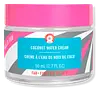
This calming moisturizer is formulated around Sodium Hyaluronate and Glycyrrhiza Glabra Root Extract to calm redness and hydrate skin.
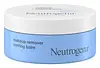
This oil-based makeup remover is made to dissolve makeup, sunscreen, and daily buildup.

What's inside
What's inside
 Key Ingredients
Benefits
Concerns
Ingredients Side-by-side
Cocos Nucifera Fruit Juice
Emollient
Glucose
Humectant

Maltodextrin
Absorbent
Water
Skin ConditioningDimethicone
Emollient

Sodium Acrylate/Sodium Acryloyldimethyl Taurate Copolymer
Emulsion StabilisingCocos Nucifera Fruit Extract
Emollient
Sodium Hyaluronate
Humectant


Alteromonas Ferment Filtrate
HumectantPyrus Malus Fruit Extract
Skin Conditioning
Prunus Armeniaca Fruit Extract
Skin ConditioningVanilla Planifolia Fruit Extract
Skin Conditioning
Sea Salt
Abrasive

Lycium Barbarum Fruit Extract
Astringent
Glycyrrhiza Glabra Root Extract
Bleaching

Chrysanthemum Parthenium Extract
Skin ConditioningCamellia Sinensis Leaf Extract
Antimicrobial


Dipteryx Odorata Seed Extract
MaskingCoffea Arabica Seed Extract
Masking
Tocopherol
Antioxidant
Caprylyl Glycol
Emollient
Caprylic/Capric Triglyceride
Masking
Butylene Glycol
Humectant
Hydrogenated Polydecene
EmollientDipropylene Glycol
HumectantCetyl Diglyceryl Tris(Trimethylsiloxy)Silylethyl Dimethicone
Emulsion Stabilising
Polysilicone-11
Laureth-8
EmulsifyingPhenoxyethanol
Preservative
Cocos Nucifera Fruit Juice, Glucose, Maltodextrin, Water, Dimethicone, Sodium Acrylate/Sodium Acryloyldimethyl Taurate Copolymer, Cocos Nucifera Fruit Extract, Sodium Hyaluronate, Alteromonas Ferment Filtrate, Pyrus Malus Fruit Extract, Prunus Armeniaca Fruit Extract, Vanilla Planifolia Fruit Extract, Sea Salt, Lycium Barbarum Fruit Extract, Glycyrrhiza Glabra Root Extract, Chrysanthemum Parthenium Extract, Camellia Sinensis Leaf Extract, Dipteryx Odorata Seed Extract, Coffea Arabica Seed Extract, Tocopherol, Caprylyl Glycol, Caprylic/Capric Triglyceride, Butylene Glycol, Hydrogenated Polydecene, Dipropylene Glycol, Cetyl Diglyceryl Tris(Trimethylsiloxy)Silylethyl Dimethicone, Polysilicone-11, Laureth-8, Phenoxyethanol
Isopropyl Palmitate
Emollient



Caprylic/Capric Triglyceride
Masking
Paraffin
Skin Conditioning
PEG-20 Glyceryl Triisostearate
Emollient
Heptyl Undecylenate
EmollientSorbeth-30 Tetraoleate
Emulsifying
Neopentyl Glycol Diheptanoate
EmollientPEG-7 Glyceryl Cocoate
Emulsifying
Isododecane
EmollientMicrocrystalline Wax
Emulsion StabilisingCopernicia Cerifera Wax
Camellia Oleifera Seed Oil
Skin Conditioning
Glycine Soja Oil
Emollient
Oryza Sativa Bran Oil
Emollient
Tocopherol
Antioxidant
Cocos Nucifera Oil
Masking
Isopropyl Palmitate, Caprylic/Capric Triglyceride, Paraffin, PEG-20 Glyceryl Triisostearate, Heptyl Undecylenate, Sorbeth-30 Tetraoleate, Neopentyl Glycol Diheptanoate, PEG-7 Glyceryl Cocoate, Isododecane, Microcrystalline Wax, Copernicia Cerifera Wax, Camellia Oleifera Seed Oil, Glycine Soja Oil, Oryza Sativa Bran Oil, Tocopherol, Cocos Nucifera Oil
Reviews
Ingredients Explained
These ingredients are found in both products.
Ingredients higher up in an ingredient list are typically present in a larger amount.
Caprylic/Capric Triglyceride (aka MCT Oil) is a lightweight emollient, solvent, and texture enhancer. It is considered a skin-softener by helping to prevent moisture loss.
Though it behaves like an oil, it is not technically one due to its chemical composition. One perk of this ingredient is that it is very stable, resistant to oxidation, and unlikely to go rancid.
In practice, that translates to a long shelf life and a consistently elegant skin feel.
While there is an assumption Caprylic Triglyceride can clog pores due to it being derived from coconut oil, there is no research supporting this. Just patch test if you have concerns.
Fractionated coconut oil and MCT Oil are both listed as Caprylic/Capric Triglyceride according to INCI. This is because INCI names are based on the ingredient’s final chemical composition and not its marketing name or source.
This ingredient is treated as the gold standard fungal acne safe oil. Even though it is coconut derived, the problematic lauric acid is stripped out.
This leaves just caprylic (C8) and capric (C10) acid. These chain lengths actually trend antifungal; a 2020 study found caprylic acid was enough to disrupt Malassezia furfur cell membrane, with a caprylic acid derivative damaging membrane structures at concentrations as low as 0.2%.
Learn more about Caprylic/Capric TriglycerideTocopherol is a fat-soluble antioxidant known as Vitamin E.
You'll find this ingredient in the vast majority of skincare (for good reason). It works to neutralize free radicals, or unstable molecules generated by UV exposure, pollution, and other environmental stressors, before they can cause oxidative damage to your skin cells.
Topically applied tocopherol has been shown to protect against UV damage by ramping up the skin's own natural defense enzymes.
It also acts as a skin conditioning agent; some studies show that regular topical use can improve the skin's water-binding capacity over 2-4 weeks.
This ingredient is especially loved for being a team player. When combined with Vitamin C, the photoprotective effect of both ingredients roughly doubles and the combo also helps reduce UV-induced DNA damage.
This ingredient has some brightening potential but it's more of a prevention ingredient than spot-fader. Cell studies show it can slow down melanin production but it's worth noting that it's not the most powerful brightener out there.
In formulations, it also serves as a stabilizer that helps protect other oxidation-prone ingredients from degrading.
Concentrations usually range from 0.1-1% in most leave-on products.
Learn more about Tocopherol

