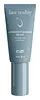
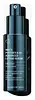
Face Reality Skincare Antioxidant Peptide serum Versus Allies of Skin Multi Peptides & GF Advanced Lifting Serum
This anti-aging serum is formulated around Palmitoyl Tripeptide-38 to soften the look of wrinkles and refine skin texture.
This anti-aging serum is formulated around Sh-Oligopeptide-1 and Dipeptide Diaminobutyroyl Benzylamide Diacetate to soften the look of wrinkles.

What's inside
What's inside
 Key Ingredients
Benefits
Concerns
Ingredients Side-by-side
Water
Skin ConditioningGlycerin
Humectant


Caprylic/Capric Triglyceride
Masking
Phenoxyethanol
Preservative
Sclerotium Gum
Emulsion StabilisingXanthan Gum
EmulsifyingPolyglyceryl-4 Caprate
EmulsifyingBenzyl Alcohol
Perfuming





Sodium Gluconate
ChelatingCaprylhydroxamic Acid
ChelatingEthylhexylglycerin
Skin ConditioningAcetyl Tributyl Citrate
Masking
Methylglucoside Phosphate
Skin ConditioningCopper Lysinate/Prolinate
Skin ConditioningHydroxypropyl Cyclodextrin
MaskingPichia/Resveratrol Ferment Extract
Skin ConditioningPalmitoyl Tripeptide-38
Skin Conditioning


Phenyl T-Butylnitrone
Antioxidant
Water, Glycerin, Caprylic/Capric Triglyceride, Phenoxyethanol, Sclerotium Gum, Xanthan Gum, Polyglyceryl-4 Caprate, Benzyl Alcohol, Sodium Gluconate, Caprylhydroxamic Acid, Ethylhexylglycerin, Acetyl Tributyl Citrate, Methylglucoside Phosphate, Copper Lysinate/Prolinate, Hydroxypropyl Cyclodextrin, Pichia/Resveratrol Ferment Extract, Palmitoyl Tripeptide-38, Phenyl T-Butylnitrone
Water
Skin ConditioningGlycerin
Humectant
Heptyl Glucoside
SurfactantIsodecyl Neopentanoate
EmollientAcacia Senegal Gum
MaskingPolysorbate 20
Emulsifying

Centella Asiatica Leaf Extract
Skin Conditioning

Helianthus Annuus Seed Oil
Emollient
Tocopherol
Antioxidant


Phospholipids
Skin Conditioning
Glycolipids
Skin ConditioningDimethyl Sulfone
SolventOrnithine
Skin ConditioningLecithin
Emollient
Hydrogenated Lecithin
Emulsifying
Copper Lysinate/Prolinate
Skin ConditioningMethylglucoside Phosphate
Skin ConditioningCrocus Chrysanthus Bulb Extract
Skin ConditioningSh-Oligopeptide-1
Skin Conditioning
Dipeptide Diaminobutyroyl Benzylamide Diacetate
Skin Conditioning
Pentapeptide-18
Skin Conditioning
Pentapeptide-48
Skin Conditioning
Butyrospermum Parkii Butter
Skin Conditioning

Leuconostoc/Radish Root Ferment Filtrate
Antimicrobial
Caprylic/Capric Triglyceride
Masking
Ethylhexylglycerin
Skin ConditioningC12-15 Alkyl Benzoate
AntimicrobialSclerotium Gum
Emulsion StabilisingXanthan Gum
EmulsifyingCaprylyl Glycol
Emollient
Levulinic Acid
Perfuming
P-Anisic Acid
MaskingSodium Gluconate
ChelatingPropanediol
Solvent
Maltodextrin
Absorbent
Citric Acid
Buffering
Sodium Hydroxide
BufferingHeptanol
Perfuming
Phenethyl Alcohol
MaskingPhenoxyethanol
Preservative
Water, Glycerin, Heptyl Glucoside, Isodecyl Neopentanoate, Acacia Senegal Gum, Polysorbate 20, Centella Asiatica Leaf Extract, Helianthus Annuus Seed Oil, Tocopherol, Phospholipids, Glycolipids, Dimethyl Sulfone, Ornithine, Lecithin, Hydrogenated Lecithin, Copper Lysinate/Prolinate, Methylglucoside Phosphate, Crocus Chrysanthus Bulb Extract, Sh-Oligopeptide-1, Dipeptide Diaminobutyroyl Benzylamide Diacetate, Pentapeptide-18, Pentapeptide-48, Butyrospermum Parkii Butter, Leuconostoc/Radish Root Ferment Filtrate, Caprylic/Capric Triglyceride, Ethylhexylglycerin, C12-15 Alkyl Benzoate, Sclerotium Gum, Xanthan Gum, Caprylyl Glycol, Levulinic Acid, P-Anisic Acid, Sodium Gluconate, Propanediol, Maltodextrin, Citric Acid, Sodium Hydroxide, Heptanol, Phenethyl Alcohol, Phenoxyethanol
Reviews
Ingredients Explained
These ingredients are found in both products.
Ingredients higher up in an ingredient list are typically present in a larger amount.
Caprylic/Capric Triglyceride (aka MCT Oil) is a lightweight emollient, solvent, and texture enhancer. It is considered a skin-softener by helping to prevent moisture loss.
Though it behaves like an oil, it is not technically one due to its chemical composition. One perk of this ingredient is that it is very stable, resistant to oxidation, and unlikely to go rancid.
In practice, that translates to a long shelf life and a consistently elegant skin feel.
While there is an assumption Caprylic Triglyceride can clog pores due to it being derived from coconut oil, there is no research supporting this. Just patch test if you have concerns.
Fractionated coconut oil and MCT Oil are both listed as Caprylic/Capric Triglyceride according to INCI. This is because INCI names are based on the ingredient’s final chemical composition and not its marketing name or source.
This ingredient is treated as the gold standard fungal acne safe oil. Even though it is coconut derived, the problematic lauric acid is stripped out.
This leaves just caprylic (C8) and capric (C10) acid. These chain lengths actually trend antifungal; a 2020 study found caprylic acid was enough to disrupt Malassezia furfur cell membrane, with a caprylic acid derivative damaging membrane structures at concentrations as low as 0.2%.
Learn more about Caprylic/Capric TriglycerideWe don't have a description for Copper Lysinate/Prolinate yet.
Ethylhexylglycerin is created from glycerin. It is a multitasker ingredient that:
The CIR Expert Panel found minimal skin absorption or sensitization of any kind in a safety assessment. Though this ingredient is considered well-tolerated, a small number of cases of allergic dermatitis have been published since 2002. Just be sure to patch test if you are unsure.
Industry-reported use ranges from 8% in rinse-off products and 2% in leave-on formulations.
Learn more about EthylhexylglycerinGlycerin (or glycerol) is a compound naturally found in your skin. It's a powerhouse humectant that pulls water into the stratum corneum.
Topically, glycerin does several things at once:
Your skin makes glycerin on its own (mostly from sebaceous oil breakdown) and shuttles it to your outermost layer of skin, or your epidermis, via aquaporin-3.
Aquaporin-3 is a transporter that is essential for normal skin hydration, elasticity, and repair. Interestingly, mice lacking in AQP3 have dry and less elastic skin that can be fully corrected with glycerin.
This ingredient is non-irritating, plays well with almost every ingredient, and works across all skin types. Typical use is anywhere between 3-10% but can go up to 79% in some leave-on products.
Just know very high concentrations (>40%) can feel tacky in low humidity.
Glycerin is the name for this ingredient in American English. British English uses Glycerol/Glycerine.
Learn more about GlycerinWe don't have a description for Methylglucoside Phosphate yet.
Phenoxyethanol is one of the most widely used preservatives in skincare (and for good reason!).
It has a large spectrum of antimicrobial activity and especially effective bacteria, yeast, and mold while only having a weak effect on your skin's natural microbiome.
On a cellular level, it disrupts the cell membranes of microbes by poking holes that make the cell leak. This shuts down the chemical reactions the microbe needs to make energy so it can no longer survive.
Another perk of this ingredient is that it stays functional across a wide pH range (3-10).
You'll often see it paired with boosters like Ethylhexylglycerin; one study showed that a 1:9 ratio of Ethylhexylglycerin to Phenoxyethanol damages bacterial membranes as effectively as doubling the Phenoxyethanol concentration on its own.
Typical use concentrations range from 0.3-1% depending on the formula, and this ingredient is capped at 1% int the EU.
Safety-wise, the fear mongering does not hold up to the evidence. The EU's Scientific Committee on Consumer Safety and FDA consider it safe as a preservative at up to 1%, including for children of all ages.
Adverse systemic effects only showed up in animal studies at exposures roughly 200x higher than what people get from cosmetics. And despite its very widespread use, this ingredient is a rare sensitizer and allergic reactions are uncommon.
Learn more about PhenoxyethanolSclerotium Gum is a natural sugar-based fiber made by fermenting a fungus called Sclerotium rolfsii. It's often used as the plant-friendly alternative for synthetic thickeners like carbomer.
In skincare, it works as a thickener, gel former, and stabilizer that keeps heavy ingredients suspended so a product does not separate.
It is non-ionic and forms a triple helix in solution. This is just a fancy way of saying it builds a smooth, cushiony, and non-sticky gel that feels silkier than many other gums.
Another perk of this ingredient is that it is very sturdy and holds up across a wide pH range (~2-11). It's also good at resisting heat and hydrolysis.
Since it holds water at the skin surface, it can provide some light hydration as well.
Typical use levels are around 0.25-2%; formulators usually use 0.2-0.5% to thicken lotions and up to 2% for a firmer gel base.
This ingredient has been found safe in cosmetics with no meaningful evidence of skin sensitization.
Learn more about Sclerotium GumSodium Gluconate is the sodium salt of gluconic acid. In skincare, its main job is as a chelator.
Chelators grab onto stray metal ions like iron and copper that sneak in through water, raw materials, or manufacturing equipment. This stops them from triggering reactions that cause oils to go rancid, formulas to change color, and actives like vitamin C to fall apart.
This ingredient is often chosen as a biodegradable, gentler-sounding alternative to EDTA. It also pulls double duty as a mild humectant and pH buffer.
Typical use levels sit around 0.1-1% and supplier documents list up to 10% as an acceptable ceiling. Industry data found this ingredient family is mostly used well below 1% in leave on products.
Allergy risk is very low; animal testing has found it to be non-irritating to skin and eyes, mutagenicity assays came back negative, and there are no published reports of allergic contact dermatitis to it.
Learn more about Sodium GluconateWater. It's the most common cosmetic ingredient of all. You'll usually see it at the top of ingredient lists, meaning that it makes up the largest part of the product.
So why is it so popular? Water most often acts as a solvent - this means that it helps dissolve other ingredients into the formulation.
You'll also recognize water as that liquid we all need to stay alive. If you see this, drink a glass of water. Remember to stay hydrated!
Learn more about WaterXanthan gum is used as a stabilizer and thickener within cosmetic products. It helps give products a sticky, thick feeling - preventing them from being too runny.
On the technical side of things, xanthan gum is a polysaccharide - a combination consisting of multiple sugar molecules bonded together.
Xanthan gum is a pretty common and great ingredient. It is a natural, non-toxic, non-irritating ingredient that is also commonly used in food products.
Learn more about Xanthan Gum

