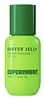
This barrier-repair oil is formulated around Simmondsia Chinensis Seed Oil and Squalane to strengthen the skin barrier and hydrate skin.
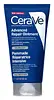
This barrier-repair moisturizer is formulated around Petrolatum and Ceramide NP to strengthen the skin barrier and hydrate skin.

What's inside
What's inside
 Key Ingredients
Benefits
Concerns
Ingredients Side-by-side
Carthamus Tinctorius Seed Oil
Masking



Simmondsia Chinensis Seed Oil
Emollient

Squalane
Emollient
C13-15 Alkane
SolventDextrin Palmitate/Ethylhexanoate
Emulsifying
Petrolatum
Emollient

Jojoba Esters
Emollient
Avena Sativa Kernel Oil
Skin Conditioning

Euphorbia Cerifera Wax
Tocopherol
Antioxidant



Panthenyl Triacetate
Ceramide NP
Skin Conditioning
Euterpe Oleracea Sterols
Skin ConditioningEthyl Linoleate
Emollient

Camellia Sinensis Leaf Wax
Naringenin
Skin ConditioningLinoleic Acid
Cleansing
Oleic Acid
Emollient

Linolenic Acid
Cleansing
Carthamus Tinctorius Seed Oil, Simmondsia Chinensis Seed Oil, Squalane, C13-15 Alkane, Dextrin Palmitate/Ethylhexanoate, Petrolatum, Jojoba Esters, Avena Sativa Kernel Oil, Euphorbia Cerifera Wax, Tocopherol, Panthenyl Triacetate, Ceramide NP, Euterpe Oleracea Sterols, Ethyl Linoleate, Camellia Sinensis Leaf Wax, Naringenin, Linoleic Acid, Oleic Acid, Linolenic Acid
Petrolatum
Emollient
Paraffinum Liquidum
Emollient
Microcrystalline Wax
Emulsion StabilisingParaffin
Skin Conditioning
Caprylic/Capric Triglyceride
Masking
Dimethicone
Emollient
Water
Skin ConditioningCeramide NP
Skin Conditioning
Ceramide AP
Skin Conditioning
Ceramide EOP
Skin Conditioning
Carbomer
Emulsion StabilisingTriethyl Citrate
Masking
Sodium Lauroyl Lactylate
EmulsifyingSodium Hyaluronate
Humectant
Cholesterol
Emollient
Tocopheryl Acetate
Antioxidant
Tocopherol
Antioxidant
Caprylyl Glycol
Emollient
Synthetic Wax
Abrasive
Panthenol
Skin Conditioning
Phytosphingosine
Skin Conditioning
Xanthan Gum
EmulsifyingBenzoic Acid
Masking
Petrolatum, Paraffinum Liquidum, Microcrystalline Wax, Paraffin, Caprylic/Capric Triglyceride, Dimethicone, Water, Ceramide NP, Ceramide AP, Ceramide EOP, Carbomer, Triethyl Citrate, Sodium Lauroyl Lactylate, Sodium Hyaluronate, Cholesterol, Tocopheryl Acetate, Tocopherol, Caprylyl Glycol, Synthetic Wax, Panthenol, Phytosphingosine, Xanthan Gum, Benzoic Acid
Reviews
Ingredients Explained
These ingredients are found in both products.
Ingredients higher up in an ingredient list are typically present in a larger amount.
Ceramide NP (formerly known as Ceramide 3) is one of the skin's naturally occurring lipids.
Since ceramides are the major lipid components of the skin, they are crucial for maintaining skin barrier and hydration. Ceramide NP most closely mirrors the dominant kind in human skin amongst ceramide subtypes.
This ceramide works by slotting into gaps within the stratum corneum's lipid matrix to limit trans-epidermal water loss (TEWL) and shield the skin against external irritants.
A study with 312 patients found that using a ceramide-containing routine for 4 weeks reduced the severity of atopic dermatitis by over 61%.
Another clinical study in subjects aged 60 and older found that a ceramide body wash and moisturizer improved skin dryness and itchy skin in 15 days.
Overall, ceramides are considered non-irritating and safety tests have found little to no observable adverse effects from using this ingredient.
Ceramide NP is usually sourced from plants (like soybean or rice bran), or produced synthetically.
Learn more about Ceramide NPPetrolatum is more commonly known as petroleum jelly. It is created by mixing waxes and mineral oils.
This ingredient is effective at reducing water loss by 99%. This is because it is an occlusive. Occlusives create a hydrophobic barrier on the skin to prevent evaporation. This property makes it great for hydrating dry skin.
Pro tip: Use occlusives, such as this ingredient, on damp skin for the best results.
The quality or origin of petrolatum is only known when disclosed by the brand. Most cosmetic petrolatum has gone through several purification stages.
Another benefit of occlusives is it protects your skin against infection or allergies.
Petrolatum is fungal acne safe. It is a hydrocarbon with no fatty acid structure, so Malassezia cannot metabolize it. In-vitro studies support negligible growth stimulation as well.
It's also worth noting that petrolatum has a comedogenic rating of 0. In updated rabbit ear testing (and in human testing), petrolatum was found to be not comedogenic. This means it didn’t promote comedone formation in standard models.
Learn more about PetrolatumTocopherol is a fat-soluble antioxidant known as Vitamin E.
You'll find this ingredient in the vast majority of skincare (for good reason). It works to neutralize free radicals, or unstable molecules generated by UV exposure, pollution, and other environmental stressors, before they can cause oxidative damage to your skin cells.
Topically applied tocopherol has been shown to protect against UV damage by ramping up the skin's own natural defense enzymes.
It also acts as a skin conditioning agent; some studies show that regular topical use can improve the skin's water-binding capacity over 2-4 weeks.
This ingredient is especially loved for being a team player. When combined with Vitamin C, the photoprotective effect of both ingredients roughly doubles and the combo also helps reduce UV-induced DNA damage.
This ingredient has some brightening potential but it's more of a prevention ingredient than spot-fader. Cell studies show it can slow down melanin production but it's worth noting that it's not the most powerful brightener out there.
In formulations, it also serves as a stabilizer that helps protect other oxidation-prone ingredients from degrading.
Concentrations usually range from 0.1-1% in most leave-on products.
Learn more about Tocopherol

