

What's inside
What's inside
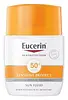 Key Ingredients
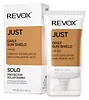
Benefits
Concerns
Ingredients Side-by-side
Water
Skin ConditioningIsopropyl Palmitate
Emollient


Butylene Glycol Dicaprylate/Dicaprate
EmollientIsodecyl Neopentanoate
EmollientOctocrylene
UV Absorber



Alcohol Denat.
Antimicrobial


Methyl Methacrylate Crosspolymer

Butyl Methoxydibenzoylmethane
UV Absorber
Dibutyl Adipate
EmollientPhenylbenzimidazole Sulfonic Acid
UV Absorber
Bis-Ethylhexyloxyphenol Methoxyphenyl Triazine
Skin Conditioning
Ethylhexyl Salicylate
UV Absorber
Homosalate
Skin Conditioning
Glycine
Buffering
Polyamide-5
Skin ConditioningPolymethylsilsesquioxane

Arginine Hcl
Skin ConditioningPolyglyceryl-4 Diisostearate/Polyhydroxystearate/Sebacate
Emulsifying
Glycerin
Humectant

Sodium Hyaluronate
Humectant


Glycyrrhetinic Acid
Skin Conditioning
Glycyrrhiza Inflata Root Extract
Skin Conditioning
Trisodium EDTA
Silica Dimethyl Silylate
EmollientDimethicone
Emollient
Ethylhexylglycerin
Skin ConditioningWater, Isopropyl Palmitate, Butylene Glycol Dicaprylate/Dicaprate, Isodecyl Neopentanoate, Octocrylene, Alcohol Denat., Methyl Methacrylate Crosspolymer, Butyl Methoxydibenzoylmethane, Dibutyl Adipate, Phenylbenzimidazole Sulfonic Acid, Bis-Ethylhexyloxyphenol Methoxyphenyl Triazine, Ethylhexyl Salicylate, Homosalate, Glycine, Polyamide-5, Polymethylsilsesquioxane, Arginine Hcl, Polyglyceryl-4 Diisostearate/Polyhydroxystearate/Sebacate, Glycerin, Sodium Hyaluronate, Glycyrrhetinic Acid, Glycyrrhiza Inflata Root Extract, Trisodium EDTA, Silica Dimethyl Silylate, Dimethicone, Ethylhexylglycerin
Water
Skin ConditioningEthylhexyl Dimethyl Paba
UV Absorber
Ethylhexyl Salicylate
UV Absorber
Butyl Methoxydibenzoylmethane
UV Absorber
Terephthalylidene Dicamphor Sulfonic Acid
UV Absorber
Phenylbenzimidazole Sulfonic Acid
UV Absorber
C12-15 Alkyl Benzoate
AntimicrobialCaprylic/Capric Triglyceride
Masking
Glycerin
Humectant
Zinc Oxide
Cosmetic Colorant
Bis-Ethylhexyloxyphenol Methoxyphenyl Triazine
Skin Conditioning
Cetearyl Alcohol
Emollient
Glycol Cetearate
Emollient
Glyceryl Stearate
Emollient
Ceteareth-20
CleansingCeteareth-12
EmulsifyingCetyl Palmitate
Emollient
Sodium Hyaluronate
Humectant
Phenoxyethanol
Preservative
Allantoin
Skin Conditioning
Acrylates/C10-30 Alkyl Acrylate Crosspolymer
Emulsion StabilisingTriethanolamine
BufferingParfum
Masking

Water, Ethylhexyl Dimethyl Paba, Ethylhexyl Salicylate, Butyl Methoxydibenzoylmethane, Terephthalylidene Dicamphor Sulfonic Acid, Phenylbenzimidazole Sulfonic Acid, C12-15 Alkyl Benzoate, Caprylic/Capric Triglyceride, Glycerin, Zinc Oxide, Bis-Ethylhexyloxyphenol Methoxyphenyl Triazine, Cetearyl Alcohol, Glycol Cetearate, Glyceryl Stearate, Ceteareth-20, Ceteareth-12, Cetyl Palmitate, Sodium Hyaluronate, Phenoxyethanol, Allantoin, Acrylates/C10-30 Alkyl Acrylate Crosspolymer, Triethanolamine, Parfum
Reviews
Ingredients Explained
These ingredients are found in both products.
Ingredients higher up in an ingredient list are typically present in a larger amount.
You might know this ingredient as Tinosorb S or Bemotrizinol. It is a UV filter that covers both UVA and UVB rays.
This ingredient has two peak UV absorption peaks ( 310 and 340 nm) and is able to absorb both UV-A and UV-B rays. This ingredient works by preventing UV rays from reaching and damaging your skin.
On top of that - it is highly photostable and helps prevent the photodegration of other sunscreen ingredients such as avobenzone.
Tinosorb S is allowed in the EU, Australia, and Asia. It is close to being approved by the FDA and we'll hopefully get this ingredient in the U.S. by late 2026.
Fun fact: Tinosorb S is the most effective UV absorber at maximum concentration (measured by SPF) permitted in the EU.
This ingredient is oil-soluble, so your oil-cleansers will take this right off at night.
Learn more about Bis-Ethylhexyloxyphenol Methoxyphenyl TriazineAlso known as Avobenzone, this ingredient is a chemical sunscreen filter that provides protection in the UV-A range.
Avobenzone is globally approved and is the most commonly used UV-A filter in the world.
Studies have found that avobenzone becomes ineffective when exposed to UV light (it is not photostable; meaning that it breaks down in sunlight). Because of this, formulations that include avobenzone will usually contain stabilizers such as octocrylene.
However, some modern formulations (looking at you, EU!) are able to stabilize avobenzone by coating the molecules.
Avobenzone does not protect against the UV-B range, so it's important to check that the sunscreen you're using contains other UV filters that do!
The highest concentration of avobenzone permitted is 3% in the US, and 5% in the EU.
Learn more about Butyl MethoxydibenzoylmethaneEthylhexyl Salicylate is an organic compound used to block UV rays. It primarily absorbs UVB rays but offers a small amount of UVA protection as well.
Commonly found in sunscreens, Ethylhexyl Salicylate is created from salicylic acid and 2-ethylhexanol. You might know salicylic acid as the effective acne fighter ingredient and BHA.
The ethylhexanol in this ingredient is a fatty alcohol and helps hydrate your skin, similar to oils. It is an emollient, which means it traps moisture into the skin.
According to manufacturers, Ethylhexyl Salicylate absorbs UV wavelength of 295-315 nm, with a peak absorption at 307-310 nm. UVA rays are linked to long term skin damage, such as hyperpigmentation. UVB rays emit more energy and are capable of damaging our DNA. UVB rays cause sunburn.
Learn more about Ethylhexyl SalicylateGlycerin (or glycerol) is a compound naturally found in your skin. It's a powerhouse humectant that pulls water into the stratum corneum.
Topically, glycerin does several things at once:
Your skin makes glycerin on its own (mostly from sebaceous oil breakdown) and shuttles it to your outermost layer of skin, or your epidermis, via aquaporin-3.
Aquaporin-3 is a transporter that is essential for normal skin hydration, elasticity, and repair. Interestingly, mice lacking in AQP3 have dry and less elastic skin that can be fully corrected with glycerin.
This ingredient is non-irritating, plays well with almost every ingredient, and works across all skin types. Typical use is anywhere between 3-10% but can go up to 79% in some leave-on products.
Just know very high concentrations (>40%) can feel tacky in low humidity.
Glycerin is the name for this ingredient in American English. British English uses Glycerol/Glycerine.
Learn more about GlycerinThis ingredient is more commonly known as Ensulizole, a chemical sunscreen ingredient.
Ensulizole mainly protects UV-B (290-340 nm) but offers a little UV-A (320-400 nm) protection. It is often paired with less photo-stable sunscreen ingredients due to its photo-stability.
Due to it being water-soluble, Ensulizole helps give sunscreens a light and non-oily texture.
Ensulizole is approved worldwide:
Learn more about Phenylbenzimidazole Sulfonic AcidSodium Hyaluronate is the salt form of hyaluronic acid. It is a long sugar chain that is naturally found in your skin, joints, and connective tissue that maintains hydration and elasticity.
In skincare, it works as a humectant. It pulls water from the environment and deeper layers of skin and binds it to the surface.
Interestingly, the size of the molecule affects its behavior:
Some clinical evidence links low molecular weight versions to improved wrinkle depth, elasticity, anti-inflammatory effects, and barrier repair.
Many serums use a blend of both weights so you can get surface hydration plus longer-lasting and deeper effects.
You'll typically see concentrations between 0.1-2% for this ingredient.
Learn more about Sodium HyaluronateWater. It's the most common cosmetic ingredient of all. You'll usually see it at the top of ingredient lists, meaning that it makes up the largest part of the product.
So why is it so popular? Water most often acts as a solvent - this means that it helps dissolve other ingredients into the formulation.
You'll also recognize water as that liquid we all need to stay alive. If you see this, drink a glass of water. Remember to stay hydrated!
Learn more about Water
