
What's inside
What's inside
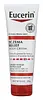 Key Ingredients
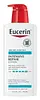
Benefits
Concerns
Ingredients Side-by-side
Colloidal Oatmeal 1%
Absorbent


Water
Skin ConditioningGlycerin
Humectant

Ricinus Communis Seed Oil
Masking


Paraffinum Liquidum
Emollient
Cetyl Alcohol
Emollient

Glyceryl Stearate
Emollient
Caprylic/Capric Triglyceride
Masking
Octyldodecanol
Emollient
Cetyl Palmitate
Emollient
PEG-40 Stearate
Emulsifying
Glycyrrhiza Inflata Root Extract
Skin Conditioning
Ceramide NP
Skin Conditioning

1,2-Hexanediol
Skin Conditioning
Phenoxyethanol
Preservative
Piroctone Olamine
Preservative
Caprylyl Glycol
Emollient
Ethylhexylglycerin
Skin ConditioningBenzyl Alcohol
Perfuming



Citric Acid
Buffering


Colloidal Oatmeal 1%, Water, Glycerin, Ricinus Communis Seed Oil, Paraffinum Liquidum, Cetyl Alcohol, Glyceryl Stearate, Caprylic/Capric Triglyceride, Octyldodecanol, Cetyl Palmitate, PEG-40 Stearate, Glycyrrhiza Inflata Root Extract, Ceramide NP, 1,2-Hexanediol, Phenoxyethanol, Piroctone Olamine, Caprylyl Glycol, Ethylhexylglycerin, Benzyl Alcohol, Citric Acid
Paraffinum Liquidum
Emollient
Octyldodecanol
Emollient
Caprylic/Capric Triglyceride
Masking
Isopropyl Palmitate
Emollient
Sodium Lactate
Buffering
Urea
Buffering

Glycerin
Humectant
PEG-7 Hydrogenated Castor Oil
Emulsifying
Benzyl Alcohol
Perfuming
Dimethicone
Emollient
Methoxy PEG-22/Dodecyl Glycol Copolymer
Emulsion StabilisingPEG-45/Dodecyl Glycol Copolymer
Emulsion StabilisingMagnesium Sulfate
Lactic Acid
Buffering


Microcrystalline Wax
Emulsion StabilisingPEG-2 Hydrogenated Castor Oil
Emulsifying
Sorbitan Isostearate
Emulsifying
Paraffinum Liquidum, Octyldodecanol, Caprylic/Capric Triglyceride, Isopropyl Palmitate, Sodium Lactate, Urea, Glycerin, PEG-7 Hydrogenated Castor Oil, Benzyl Alcohol, Dimethicone, Methoxy PEG-22/Dodecyl Glycol Copolymer, PEG-45/Dodecyl Glycol Copolymer, Magnesium Sulfate, Lactic Acid, Microcrystalline Wax, PEG-2 Hydrogenated Castor Oil, Sorbitan Isostearate
Reviews
Ingredients Explained
These ingredients are found in both products.
Ingredients higher up in an ingredient list are typically present in a larger amount.
Benzyl Alcohol is most commonly used as a preservative. It also has a subtle, sweet smell. Small amounts of Benzyl Alcohol is not irritating and safe to use in skincare products. Most Benzyl Alcohol is derived from fruits such as apricots.
Benzyl Alcohol has both antibacterial and antioxidant properties. These properties help lengthen the shelf life of products. Benzyl Alcohol is a solvent and helps dissolve other ingredients. It can also improve the texture and spreadability.
Alcohol comes in many different forms. Different types of alcohol will have different effects on skin. This ingredient is an astringent alcohol.
Using high concentrations of these alcohols are drying on the skin. They may strip away your skin's natural oils and even damage your skin barrier. Astringent alcohols may also irritate skin.
Other types of astringent alcohols include:
According to the National Rosacea Society based in the US, you should be mindful of products with these alcohols in the top half of ingredients.
Any type of sanitizing product will have high amounts of alcohol to help kill bacteria and viruses.
Learn more about Benzyl AlcoholCaprylic/Capric Triglyceride (aka MCT Oil) is a lightweight emollient, solvent, and texture enhancer. It is considered a skin-softener by helping to prevent moisture loss.
Though it behaves like an oil, it is not technically one due to its chemical composition. One perk of this ingredient is that it is very stable, resistant to oxidation, and unlikely to go rancid.
In practice, that translates to a long shelf life and a consistently elegant skin feel.
While there is an assumption Caprylic Triglyceride can clog pores due to it being derived from coconut oil, there is no research supporting this. Just patch test if you have concerns.
Fractionated coconut oil and MCT Oil are both listed as Caprylic/Capric Triglyceride according to INCI. This is because INCI names are based on the ingredient’s final chemical composition and not its marketing name or source.
This ingredient is treated as the gold standard fungal acne safe oil. Even though it is coconut derived, the problematic lauric acid is stripped out.
This leaves just caprylic (C8) and capric (C10) acid. These chain lengths actually trend antifungal; a 2020 study found caprylic acid was enough to disrupt Malassezia furfur cell membrane, with a caprylic acid derivative damaging membrane structures at concentrations as low as 0.2%.
Learn more about Caprylic/Capric TriglycerideGlycerin (or glycerol) is a compound naturally found in your skin. It's a powerhouse humectant that pulls water into the stratum corneum.
Topically, glycerin does several things at once:
Your skin makes glycerin on its own (mostly from sebaceous oil breakdown) and shuttles it to your outermost layer of skin, or your epidermis, via aquaporin-3.
Aquaporin-3 is a transporter that is essential for normal skin hydration, elasticity, and repair. Interestingly, mice lacking in AQP3 have dry and less elastic skin that can be fully corrected with glycerin.
This ingredient is non-irritating, plays well with almost every ingredient, and works across all skin types. Typical use is anywhere between 3-10% but can go up to 79% in some leave-on products.
Just know very high concentrations (>40%) can feel tacky in low humidity.
Glycerin is the name for this ingredient in American English. British English uses Glycerol/Glycerine.
Learn more about GlycerinOctyldodecanol is a fatty alcohol sourced from plant oils like coconut or palm (or made synthetically).
It is:
You'll likely see this in many BHA products because this is the go-to solvent for salicylic acid.
This ingredient is typically used at levels between 2-20%.
Regarding fungal acne:
In 2019, this ingredient was tested against multiple Malassezia species (the yeast that causes fungal acne) and showed no growth.
Paraffinum Liquidum is a highly-refined cosmetic-grade mineral oil. It is also known as liquid paraffin.
Despite its controversial reputation, the science is pretty clear: it's one of the most well-studied and effective moisturizing ingredients out there.
As an occlusive, it forms a protective layer on the skin that locks in moisture and prevents transepidermal water loss (TEWL). This makes it especially great for compromised skin barriers.
The "it clogs your pores" myth has been around for decades; a study found that industrial-grade mineral oil may be comedogenic but cosmetic-grade mineral oil is not (these two are very, very different).
A 2017 review concluded that cosmetic use of mineral oils and waxes does not present a risk to consumers due to absorption.
Mineral oil got a bad rap from the old rabbit ear studies. When tested on actual human skin, cosmetic-grade mineral oil showed no comedogenic activity. The rating of 0 is a correction of outdated science.
Mineral oil is an inert substance with no fatty acids so there's nothing to feed Malassezia. This ingredient is fungal acne safe.
Learn more about Paraffinum Liquidum
