

What's inside
What's inside
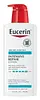 Key Ingredients
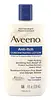
Benefits
Concerns
Ingredients Side-by-side
Paraffinum Liquidum
Emollient

Octyldodecanol
Emollient
Caprylic/Capric Triglyceride
Masking


Isopropyl Palmitate
Emollient

Sodium Lactate
Buffering
Urea
Buffering

Glycerin
Humectant
PEG-7 Hydrogenated Castor Oil
Emulsifying
Benzyl Alcohol
Perfuming





Dimethicone
Emollient
Methoxy PEG-22/Dodecyl Glycol Copolymer
Emulsion StabilisingPEG-45/Dodecyl Glycol Copolymer
Emulsion StabilisingMagnesium Sulfate
Lactic Acid
Buffering






Microcrystalline Wax
Emulsion StabilisingPEG-2 Hydrogenated Castor Oil
Emulsifying
Sorbitan Isostearate
Emulsifying
Paraffinum Liquidum, Octyldodecanol, Caprylic/Capric Triglyceride, Isopropyl Palmitate, Sodium Lactate, Urea, Glycerin, PEG-7 Hydrogenated Castor Oil, Benzyl Alcohol, Dimethicone, Methoxy PEG-22/Dodecyl Glycol Copolymer, PEG-45/Dodecyl Glycol Copolymer, Magnesium Sulfate, Lactic Acid, Microcrystalline Wax, PEG-2 Hydrogenated Castor Oil, Sorbitan Isostearate





Ingredients Explained
These ingredients are found in both products.
Ingredients higher up in an ingredient list are typically present in a larger amount.
Dimethicone is a type of synthetic silicone created from natural materials such as quartz. It is also known as polydimethylsiloxane.
What it does:
Dimethicone comes in different viscosities:
Depending on the viscosity, dimethicone has different properties.
Ingredients lists don't always show which type is used, so we recommend reaching out to the brand if you have questions about the viscosity.
This ingredient is unlikely to cause irritation because it does not get absorbed into skin. However, people with silicone allergies should be careful about using this ingredient.
Note: Dimethicone may contribute to pilling. This is because it is not oil or water soluble, so pilling may occur when layered with products. When mixed with heavy oils in a formula, the outcome is also quite greasy.
Learn more about Dimethicone
