

What's inside
What's inside
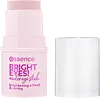 Key Ingredients
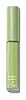
Benefits
Concerns
Ingredients Side-by-side
Ethylhexyl Palmitate
Emollient




Euphorbia Cerifera Cera
Astringent
Mica
Cosmetic ColorantIsostearyl Alcohol
Emollient
Disteardimonium Hectorite
StabilisingHydrogenated Castor Oil/Sebacic Acid Copolymer
Emollient
Helianthus Annuus Seed Oil
Emollient
Sodium Hyaluronate
Humectant



Aloe Barbadensis Leaf Extract
Emollient
Tocopherol
Antioxidant



Propylene Carbonate
SolventGlyceryl Caprylate
EmollientC10-18 Triglycerides
Emollient
Pentaerythrityl Tetra-Di-T-Butyl Hydroxyhydrocinnamate
Antioxidant
Triolein
Skin Conditioning
Glyceryl Dioleate
Emollient
Aluminum Hydroxide
EmollientTin Oxide
Abrasive
CI 77491
Cosmetic ColorantCI 77492
Cosmetic ColorantCI 77891
Cosmetic ColorantEthylhexyl Palmitate, Euphorbia Cerifera Cera, Mica, Isostearyl Alcohol, Disteardimonium Hectorite, Hydrogenated Castor Oil/Sebacic Acid Copolymer, Helianthus Annuus Seed Oil, Sodium Hyaluronate, Aloe Barbadensis Leaf Extract, Tocopherol, Propylene Carbonate, Glyceryl Caprylate, C10-18 Triglycerides, Pentaerythrityl Tetra-Di-T-Butyl Hydroxyhydrocinnamate, Triolein, Glyceryl Dioleate, Aluminum Hydroxide, Tin Oxide, CI 77491, CI 77492, CI 77891
Water
Skin ConditioningDimethicone
Emollient

Propylene Glycol
Humectant
Octyldodecanol
Emollient
Hydrogenated Polyisobutene
EmollientCetyl PEG/PPG-10/1 Dimethicone
Emulsifying
Polyglyceryl-4 Isostearate
Emulsifying
Boron Nitride
Absorbent
Caprylic Acid
CleansingHydrogenated Styrene/Methylstyrene/Indene Copolymer
Sodium Chloride
MaskingDiethylhexyl Carbonate
EmollientAcrylates/Dimethicone Copolymer
Skin Conditioning
Vinyldimethicone
Vinyl Dimethicone/Methicone Silsesquioxane Crosspolymer
Mica
Cosmetic ColorantPhenoxyethanol
Preservative
Propylene Carbonate
SolventIsopropyl Titanium Triisostearate
Emollient
Alumina
Abrasive
Ethylhexylglycerin
Skin ConditioningCaprylyl Glycol
Emollient
Disodium EDTA
ChelatingPentaerythrityl Tetra-Di-T-Butyl Hydroxyhydrocinnamate
Antioxidant
Sodium Hyaluronate
Humectant
CI 77891
Cosmetic ColorantCI 77288
Cosmetic ColorantCI 77007
Cosmetic ColorantWater, Dimethicone, Propylene Glycol, Octyldodecanol, Hydrogenated Polyisobutene, Cetyl PEG/PPG-10/1 Dimethicone, Polyglyceryl-4 Isostearate, Boron Nitride, Caprylic Acid, Hydrogenated Styrene/Methylstyrene/Indene Copolymer, Sodium Chloride, Diethylhexyl Carbonate, Acrylates/Dimethicone Copolymer, Vinyldimethicone, Vinyl Dimethicone/Methicone Silsesquioxane Crosspolymer, Mica, Phenoxyethanol, Propylene Carbonate, Isopropyl Titanium Triisostearate, Alumina, Ethylhexylglycerin, Caprylyl Glycol, Disodium EDTA, Pentaerythrityl Tetra-Di-T-Butyl Hydroxyhydrocinnamate, Sodium Hyaluronate, CI 77891, CI 77288, CI 77007
Reviews
Ingredients Explained
These ingredients are found in both products.
Ingredients higher up in an ingredient list are typically present in a larger amount.
Ci 77891 is a white pigment from Titanium dioxide. It is naturally found in minerals such as rutile and ilmenite.
It's main function is to add a white color to cosmetics. It can also be mixed with other colors to create different shades.
Ci 77891 is commonly found in sunscreens due to its ability to block UV rays.
Learn more about CI 77891Mica is a naturally occurring mineral used to add shimmer and color in cosmetics. It can also help improve the texture of a product or give it an opaque, white/silver color.
Serecite is the name for very fine but ragged grains of mica.
This ingredient is often coated with metal oxides like titanium dioxide. Trace amounts of heavy metals may be found in mica, but these metals are not harmful in our personal products.
Mica has been used since prehistoric times throughout the world. Ancient Egyptian, Indian, Greek, Roman, Aztec, and Chinese civilizations have used mica.
Learn more about MicaPentaerythrityl Tetra-Di-T-Butyl Hydroxyhydrocinnamate (long name, huh?) is a synthetic antioxidant.
It is used to help stabilize other antioxidants or prevent the color from changing in a product.
As an antioxidant, it helps fight free-radical molecules. Free-radical molecules are capable of damaging our cells and other genetic material. Thus, antioxidants may reduce the signs of aging.
This ingredient is oil-soluble.
Learn more about Pentaerythrityl Tetra-Di-T-Butyl HydroxyhydrocinnamateThis ingredient is a solvent. It helps dissolve active ingredients and alter the texture of products.
Propylene Carbonate is commonly used in makeup and with clay, such as montmorillonite or bentonite.
Studies show this ingredient to be safe for cosmetics. When it is undiluted, it can cause skin irritation. (It is always diluted in skincare and makeup). This ingredient is water-soluble.
Propylene Carbonate is created from propylene glycol and carbonic acid.
Learn more about Propylene CarbonateSodium Hyaluronate is the salt form of hyaluronic acid. It is a long sugar chain that is naturally found in your skin, joints, and connective tissue that maintains hydration and elasticity.
In skincare, it works as a humectant. It pulls water from the environment and deeper layers of skin and binds it to the surface.
Interestingly, the size of the molecule affects its behavior:
Some clinical evidence links low molecular weight versions to improved wrinkle depth, elasticity, anti-inflammatory effects, and barrier repair.
Many serums use a blend of both weights so you can get surface hydration plus longer-lasting and deeper effects.
You'll typically see concentrations between 0.1-2% for this ingredient.
Learn more about Sodium Hyaluronate

