

What's inside
What's inside
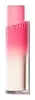 Key Ingredients
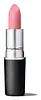
Benefits
Concerns
Ingredients Side-by-side
Dipentaerythrityl Tetraisostearate
EmollientCaprylic/Capric Triglyceride
Masking


Phytosteryl/Octyldodecyl Lauroyl Glutamate
Skin ConditioningOctyldodecanol
Emollient
Diphenyl Dimethicone
Emollient
Glyceryl Undecyl Dimethicone
Synthetic Wax
Abrasive

Phytosteryl/Isostearyl/Cetyl/Stearyl/Behenyl Dimer Dilinoleate
Skin Conditioning

Polyglyceryl-2 Triisostearate
Emulsifying
Lauryl Polyglyceryl-3 Polydimethylsiloxyethyl Dimethicone
Skin Conditioning
CI 77891
Cosmetic ColorantAcrylates/Stearyl Acrylate/Dimethicone Methacrylate Copolymer
CI 15850
Cosmetic ColorantCI 77491
Cosmetic ColorantPolyhydroxystearic Acid
Emulsifying
Ethylene/Propylene Copolymer
Abrasive
Dimethicone
Emollient
Lecithin
Emollient
Parfum
Masking



Ethylhexyl Palmitate
Emollient
Isostearic Acid
Cleansing
Isopropyl Myristate
Emollient
Polyglyceryl-3 Polyricinoleate
Emulsifying
Aluminum Hydroxide
EmollientCI 77499
Cosmetic ColorantDiisostearyl Malate
EmollientTriethoxycaprylylsilane
CI 42090
Cosmetic ColorantTocopherol
Antioxidant





Dipentaerythrityl Tetraisostearate, Caprylic/Capric Triglyceride, Phytosteryl/Octyldodecyl Lauroyl Glutamate, Octyldodecanol, Diphenyl Dimethicone, Glyceryl Undecyl Dimethicone, Synthetic Wax, Phytosteryl/Isostearyl/Cetyl/Stearyl/Behenyl Dimer Dilinoleate, Polyglyceryl-2 Triisostearate, Lauryl Polyglyceryl-3 Polydimethylsiloxyethyl Dimethicone, CI 77891, Acrylates/Stearyl Acrylate/Dimethicone Methacrylate Copolymer, CI 15850, CI 77491, Polyhydroxystearic Acid, Ethylene/Propylene Copolymer, Dimethicone, Lecithin, Parfum, Ethylhexyl Palmitate, Isostearic Acid, Isopropyl Myristate, Polyglyceryl-3 Polyricinoleate, Aluminum Hydroxide, CI 77499, Diisostearyl Malate, Triethoxycaprylylsilane, CI 42090, Tocopherol
Ricinus Communis Seed Oil
Masking
Trioctyldodecyl Citrate
EmollientGlyceryl Triacetyl Hydroxystearate
EmollientSimmondsia Chinensis Seed Oil
Emollient
Euphorbia Cerifera Cera
Astringent
Octyldodecanol
Emollient
Cera Alba
Emollient
Tricaprylin
Perfuming
Ozokerite
Emulsion StabilisingCopernicia Cerifera Cera
Emollient
Cetyl Ricinoleate
Emollient
Cera Microcristallina
Emulsion StabilisingTocopherol
Antioxidant
Ascorbyl Palmitate
Antioxidant
Alumina
Abrasive
Aluminum Calcium Sodium Silicate
Calcium Aluminum Borosilicate
Calcium Sodium Borosilicate
Synthetic Fluorphlogopite
Tin Oxide
Abrasive
Silica
Abrasive

Titanium/Titanium Dioxide
Cosmetic ColorantEthylhexyl Hydroxystearate
Emollient
Vanillin
Masking
Mica
Cosmetic ColorantCI 77891
Cosmetic ColorantCI 77491
Cosmetic ColorantCI 77492
Cosmetic ColorantCI 77499
Cosmetic ColorantCI 77163
Cosmetic Colorant
CI 42090
Cosmetic ColorantCI 77400
Cosmetic ColorantCI 75470
Cosmetic ColorantCI 15850
Cosmetic ColorantCI 45380
Cosmetic ColorantCI 16035
Cosmetic ColorantCI 45410
Cosmetic ColorantCI 73360
Cosmetic ColorantCI 17200
Cosmetic ColorantCI 19140
Cosmetic ColorantCI 15985
Cosmetic ColorantRicinus Communis Seed Oil, Trioctyldodecyl Citrate, Glyceryl Triacetyl Hydroxystearate, Simmondsia Chinensis Seed Oil, Euphorbia Cerifera Cera, Octyldodecanol, Cera Alba, Tricaprylin, Ozokerite, Copernicia Cerifera Cera, Cetyl Ricinoleate, Cera Microcristallina, Tocopherol, Ascorbyl Palmitate, Alumina, Aluminum Calcium Sodium Silicate, Calcium Aluminum Borosilicate, Calcium Sodium Borosilicate, Synthetic Fluorphlogopite, Tin Oxide, Silica, Titanium/Titanium Dioxide, Ethylhexyl Hydroxystearate, Vanillin, Mica, CI 77891, CI 77491, CI 77492, CI 77499, CI 77163, CI 42090, CI 77400, CI 75470, CI 15850, CI 45380, CI 16035, CI 45410, CI 73360, CI 17200, CI 19140, CI 15985
Ingredients Explained
These ingredients are found in both products.
Ingredients higher up in an ingredient list are typically present in a larger amount.
Ci 15850 is the pigment color red. It is an azo dye and created synthetically.
Azo dyes need to be thoroughly purified before use. This allows them to be more stable and longer-lasting.
This ingredient is common in foundations, lipsticks, and blushes. This color is described as brown/orangey red.
It has many secondary names such as Red 6 and Red 7. According to a manufacturer, Red 6 usually contains aluminum.
Learn more about CI 15850Ci 42090 is a synthetic dye created from petroleum. It is used to give a bright blue color to cosmetics, medicine, and food.
Ci 77491 is also hydrated iron III oxide. It's sole purpose is to give a red/pink hue to products.
Iron III oxides are classified as inorganic chemicals for coloring.
Synthetically created Ci 77491 is considered safer than those naturally found. This is because the synthetically created version may contain less impurities. Iron oxides are generally non-toxic and non-allergenic.
Learn more about CI 77491Ci 77499 is also hydrated iron III oxide. It is created from mixing red and black iron oxides. This helps give shades of darkness to a product.
Iron III oxides are classified as inorganic chemicals for coloring.
Ci 77891 is a white pigment from Titanium dioxide. It is naturally found in minerals such as rutile and ilmenite.
It's main function is to add a white color to cosmetics. It can also be mixed with other colors to create different shades.
Ci 77891 is commonly found in sunscreens due to its ability to block UV rays.
Learn more about CI 77891Octyldodecanol is a fatty alcohol sourced from plant oils like coconut or palm (or made synthetically).
It is:
You'll likely see this in many BHA products because this is the go-to solvent for salicylic acid.
This ingredient is typically used at levels between 2-20%.
Regarding fungal acne:
In 2019, this ingredient was tested against multiple Malassezia species (the yeast that causes fungal acne) and showed no growth.
Tocopherol is a fat-soluble antioxidant known as Vitamin E.
You'll find this ingredient in the vast majority of skincare (for good reason). It works to neutralize free radicals, or unstable molecules generated by UV exposure, pollution, and other environmental stressors, before they can cause oxidative damage to your skin cells.
Topically applied tocopherol has been shown to protect against UV damage by ramping up the skin's own natural defense enzymes.
It also acts as a skin conditioning agent; some studies show that regular topical use can improve the skin's water-binding capacity over 2-4 weeks.
This ingredient is especially loved for being a team player. When combined with Vitamin C, the photoprotective effect of both ingredients roughly doubles and the combo also helps reduce UV-induced DNA damage.
This ingredient has some brightening potential but it's more of a prevention ingredient than spot-fader. Cell studies show it can slow down melanin production but it's worth noting that it's not the most powerful brightener out there.
In formulations, it also serves as a stabilizer that helps protect other oxidation-prone ingredients from degrading.
Concentrations usually range from 0.1-1% in most leave-on products.
Learn more about Tocopherol

