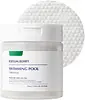
This calming toner pad uses a pre-saturated pad with Centella Asiatica Extract and Madecassoside to calm redness and strengthen the skin barrier.
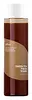
This calming toner is formulated around Camellia Sinensis Leaf Extract and Centella Asiatica Extract to calm redness and balance excess oil.

What's inside
What's inside
 Key Ingredients
Benefits
Ingredients Side-by-side
Water
Skin ConditioningGlycerin
Humectant


Butylene Glycol
Humectant
Centella Asiatica Extract
Cleansing



Madecassoside
Antioxidant
Madecassic Acid
Skin Conditioning
Asiaticoside
Antioxidant
Asiatic Acid
Skin Conditioning
1,2-Hexanediol
Skin Conditioning
Hydroxyacetophenone
Antioxidant
Sodium Hyaluronate
Humectant
Allantoin
Skin Conditioning
Fructan
Skin ConditioningEthylhexylglycerin
Skin ConditioningPropanediol
Solvent
Paeonia Suffruticosa Root Extract
Skin ProtectingGalactoarabinan
Xanthan Gum
EmulsifyingPinus Palustris Leaf Extract
TonicUlmus Davidiana Root Extract
Skin Conditioning
Oenothera Biennis Flower Extract
AstringentPueraria Lobata Root Extract
HumectantStyrene/Vp Copolymer
Rubus Fruticosus Fruit Extract
AstringentVaccinium Macrocarpon Fruit Extract
AstringentVaccinium Angustifolium Fruit Extract
Skin Protecting
Rubus Idaeus Fruit Extract
AstringentSambucus Nigra Fruit Extract
AstringentHydroxypropyltrimonium Hyaluronate
Hydrolyzed Hyaluronic Acid
Humectant
Sodium Acetylated Hyaluronate
Humectant
Hyaluronic Acid
Humectant
Sodium Hyaluronate Crosspolymer
Humectant
Hydrolyzed Sodium Hyaluronate
Skin Conditioning
Potassium Hyaluronate
Skin ConditioningWater, Glycerin, Butylene Glycol, Centella Asiatica Extract, Madecassoside, Madecassic Acid, Asiaticoside, Asiatic Acid, 1,2-Hexanediol, Hydroxyacetophenone, Sodium Hyaluronate, Allantoin, Fructan, Ethylhexylglycerin, Propanediol, Paeonia Suffruticosa Root Extract, Galactoarabinan, Xanthan Gum, Pinus Palustris Leaf Extract, Ulmus Davidiana Root Extract, Oenothera Biennis Flower Extract, Pueraria Lobata Root Extract, Styrene/Vp Copolymer, Rubus Fruticosus Fruit Extract, Vaccinium Macrocarpon Fruit Extract, Vaccinium Angustifolium Fruit Extract, Rubus Idaeus Fruit Extract, Sambucus Nigra Fruit Extract, Hydroxypropyltrimonium Hyaluronate, Hydrolyzed Hyaluronic Acid, Sodium Acetylated Hyaluronate, Hyaluronic Acid, Sodium Hyaluronate Crosspolymer, Hydrolyzed Sodium Hyaluronate, Potassium Hyaluronate
Camellia Sinensis Leaf Extract
Antimicrobial


Water
Skin ConditioningGinkgo Biloba Leaf Extract
Skin Conditioning
Centella Asiatica Extract
Cleansing
Salix Alba Bark Extract
Astringent
Vaccinium Angustifolium Fruit Extract
Skin Protecting
Pinus Palustris Leaf Extract
TonicUlmus Davidiana Root Extract
Skin Conditioning
Oenothera Biennis Flower Extract
AstringentPueraria Lobata Root Extract
HumectantHydrolyzed Hyaluronic Acid
Humectant
Ammonium Acryloyldimethyltaurate/Vp Copolymer
Allantoin
Skin Conditioning
Dipotassium Glycyrrhizate
Humectant
Beta-Glucan
Skin Conditioning
Disodium EDTA
ChelatingHydroxyacetophenone
Antioxidant
Camellia Sinensis Leaf Extract, Water, Ginkgo Biloba Leaf Extract, Centella Asiatica Extract, Salix Alba Bark Extract, Vaccinium Angustifolium Fruit Extract, Pinus Palustris Leaf Extract, Ulmus Davidiana Root Extract, Oenothera Biennis Flower Extract, Pueraria Lobata Root Extract, Hydrolyzed Hyaluronic Acid, Ammonium Acryloyldimethyltaurate/Vp Copolymer, Allantoin, Dipotassium Glycyrrhizate, Beta-Glucan, Disodium EDTA, Hydroxyacetophenone
Reviews
Ingredients Explained
These ingredients are found in both products.
Ingredients higher up in an ingredient list are typically present in a larger amount.
Allantoin is a soothing ingredient known for its protective and moisturizing properties; it's basically a quiet workhorse ingredient you can find in a huge range of cosmetics.
Though it can be derived from the comfrey plant, allantoin is produced synthetically for cosmetic products to ensure purity.
Research shows it can encourage your skin cells to turn over and renew by stimulating keratinocyte and fibroblast proliferation.
It also has mild keratolytic properties to help loosen and shed dead skin cells without being harsh.
Studies also suggest allantoin can help calm inflammation by dialing down some of the chemical signals your skin sends out when it is irritated.
This ingredient is typically used in the 0.1-0.5% range, and the FDA recognizes it as a skin protectant in OTC products up to 2%.
Overall, allantoin is a wonderful addition to most routines; it is stable across a wide pH range (~4-8), works well with other ingredients, and is considered non-sensitizing/non-irritating.
Fun fact: Allantoin is naturally occurring in comfrey root, beets, chamomile, and wheat sprouts. Our bodies even produce it as a byproduct of uric acid metabolism.
Learn more about AllantoinCentella Asiatica Extract (Centella) is one of the most researched botanical extracts in skincare with decades of studies backing its effects on inflammation, collagen, and the skin barrier.
That research keeps pointing back to the same four triterpenoid saponins: Asiaticoside, Madecassoside, Asiatic Acid, and Madecassic Acid.
These compounds allow centella to dial back inflammation, encourage the skin to build and hold onto collagen, support the barrier and hydration, and bring solid antioxidant activity to protect against signs of aging.
Centella also carries a nice supporting cast of Vitamin A, vitamin C, several B vitamins, and amino acids. Put it all together and you get an ingredient that soothes, hydrates, and protects, all at once.
Most of centella's magic comes from the four big compounds (Asiaticoside, Madecassoside, Asiatic Acid, and Madecassic Acid). These are the actives doing the heavy lifting in almost every centella study.
Here is the short version of what they do in the skin:
So it is not just soothing for the sake of soothing. Centella calms the skin AND helps it rebuild.
Just FYI, not all centella on an ingredient list is the same. What you are getting actually depends on the extract:
Fun fact on the ratios: the leaves tend to be richest in Madecassoside and Asiaticoside, and lower in the two acids. The exact amounts shift with where the plant is grown and how it is processed. This means purity really does vary brand to brand.
Centella is one of the most easygoing actives out there.
It layers well with basically everything: niacinamide, hyaluronic acid, peptides, and vitamin C, and also pairs nicely with stronger actives like retinoids and exfoliating acids where it can help take the edge off irritation.
On the safety side, centella and its triterpenes are classified as weak sensitizers, meaning allergic reactions are possible but uncommon.
Patch tests at 1% and 5% came back negative in test panels, and creams at typical use levels did not cause allergic reactions across large groups of people.
But as with any new active, a patch test is still a smart move for very reactive skin.
Centella is widely used because it is effective at low percentages. For context, human safety testing found no meaningful irritation from creams containing centella extract at everyday use levels (the tested amounts were well under 1%).
The irritancy threshold in animal testing was also above 30% (so real-world formulas sit far below anything concerning).
In collagen lab studies, higher concentrations drove more collagen synthesis, so serums built around centella tend to feature it more prominently.
Bottom line: you will find centella working nicely anywhere from a fraction of a percent up to hero-ingredient levels depending on whether it is a supporting soother or the main event.
Fun fact: Centella has been used as a medicine and in food for many centuries. As a medicine, it is used to treat burns, scratches, and wounds.
Learn more about Centella Asiatica ExtractHydrolyzed Hyaluronic Acid is hyaluronic acid (HA) that is broken down into lower molecular weight fragments.
It's a humectant that pulls and holds water in the skin to help with hydration, plumpness, and reduce transepidermal water loss.
Because hydrolyzed hyaluronic acid is smaller in size, it can slip past your outermost layer of skin more easily than full-sized HA.
Most formulations will combine all sizes to get the best of both worlds.
Typical usage levels range from 0.01-1%. Any percentage higher than 2% might become goopy and tacky.
Learn more about Hydrolyzed Hyaluronic AcidHydroxyacetophenone is a small phenolic molecule that earns its place in a formulas as an antioxidant and preservative booster.
As a phenol, it is able to neutralize free radicals to protect both the product and the skin from oxidative stress.
Though it can't kill microbes on its own, it works as a good supporting agent when combined with other preservatives like Phenoxyethanol or 1,2-Hexanediol.
This ingredient naturally occurs as piceol in Norwegian spruce needles (~0.4-1.1% dry weight and in cloudberries). Though the cosmetic-grade material is synthesized for purity and consistency.
You'll usually see it used at low levels and suppliers recommend up to 1% added to a water phase.
Safety testing was done at concentrations like 0.05% in SPF products and 0.5% in a Human Repeated Insult Patch Test. The safety evidence is assuring; this ingredient is safe for cosmetics in current use and also holds safety status as a food flavoring as well.
An honest caveat: the "soothing" and "anti-inflammatory" claims come mostly from supplier marketing rather than published clinical trials. The Cosmetic Ingredient Review's own literature search found no useful efficacy studies on this ingredient.
So the antioxidant and preservative-boosting roles are the well supported ones while the calming benefit is plausible but thinly evidenced.
Overall, this is a well-tolerated, low-irritation multitasker that quietly helps a formula stay fresh and stable.
Learn more about HydroxyacetophenoneWe don't have a description for Oenothera Biennis Flower Extract yet.
We don't have a description for Pinus Palustris Leaf Extract yet.
This ingredient comes from the Kudzu root.
This tree is also known as the David Elm. It contains the ingredient bakuchiol.
Other great compounds found in this ingredient include galactose, glucose, and phenolics. The sugar content gives it great skin hydrating properties. Phenolics are potent antioxidants commonly found in fruits and veggies.
A 2020 study found the phenolics of this root to have an anti-inflammatory effect.
Fun fact: This ingredient is used in traditional Asian medicine.
Learn more about Ulmus Davidiana Root ExtractThis extract comes from the blueberry native to North America. It has great antioxidant and skin soothing properties.
The antioxidant properties from blueberries come from its polyphenolic and vitamin C content. Polyphenols are a compound famous for their antioxidant properties and are commonly found in fruits.
A 2023 study found blueberries to protect skin from UV-B related inflammation. However, this ingredient should not replace your sunscreen.
Learn more about Vaccinium Angustifolium Fruit ExtractWater. It's the most common cosmetic ingredient of all. You'll usually see it at the top of ingredient lists, meaning that it makes up the largest part of the product.
So why is it so popular? Water most often acts as a solvent - this means that it helps dissolve other ingredients into the formulation.
You'll also recognize water as that liquid we all need to stay alive. If you see this, drink a glass of water. Remember to stay hydrated!
Learn more about Water

