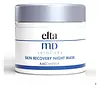
This barrier-repair night moisturizer is formulated around Arginine and Saccharide Isomerate to strengthen the skin barrier and calm redness.
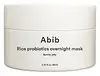
This barrier-repair overnight mask is formulated around Lactobacillus/Rice Ferment and Oryza Sativa Bran Extract to strengthen the skin barrier and hydrate skin.


What's inside
What's inside
 Key Ingredients
Benefits
Concerns
Ingredients Side-by-side
Water
Skin ConditioningIsononyl Isononanoate
EmollientPropanediol
Solvent

Ammonium Acryloyldimethyltaurate/Vp Copolymer
Polyacrylamide
Phenoxyethanol
Preservative
Taurine
BufferingC13-14 Isoparaffin
Emollient
Arginine
Masking
Saccharide Isomerate
Humectant
Citric Acid
Buffering


Tocopheryl Acetate
Antioxidant

Laureth-7
EmulsifyingTocopherol
Antioxidant

Bisabolol
Antioxidant
Lespedeza Capitata Leaf/Stem Extract
Skin ConditioningEthylhexylglycerin
Skin ConditioningSodium Phytate
ChelatingPentaerythrityl Tetra-Di-T-Butyl Hydroxyhydrocinnamate
Antioxidant
Melia Azadirachta Leaf Extract
Skin ConditioningMelia Azadirachta Flower Extract
Skin ConditioningGlycine
Buffering
Corallina Officinalis Extract
Skin Conditioning

Coccinia Indica Fruit Extract
Skin Conditioning
Solanum Melongena Fruit Extract
Skin ConditioningAloe Barbadensis Flower Extract
EmollientSodium Hyaluronate
Humectant
Simmondsia Chinensis Seed Oil
Emollient

Zingiber Officinale Root Extract
Masking
Ocimum Sanctum Leaf Extract
Skin ConditioningOcimum Basilicum Flower/Leaf Extract
TonicCurcuma Longa Root Extract
Antioxidant
Water, Isononyl Isononanoate, Propanediol, Ammonium Acryloyldimethyltaurate/Vp Copolymer, Polyacrylamide, Phenoxyethanol, Taurine, C13-14 Isoparaffin, Arginine, Saccharide Isomerate, Citric Acid, Tocopheryl Acetate, Laureth-7, Tocopherol, Bisabolol, Lespedeza Capitata Leaf/Stem Extract, Ethylhexylglycerin, Sodium Phytate, Pentaerythrityl Tetra-Di-T-Butyl Hydroxyhydrocinnamate, Melia Azadirachta Leaf Extract, Melia Azadirachta Flower Extract, Glycine, Corallina Officinalis Extract, Coccinia Indica Fruit Extract, Solanum Melongena Fruit Extract, Aloe Barbadensis Flower Extract, Sodium Hyaluronate, Simmondsia Chinensis Seed Oil, Zingiber Officinale Root Extract, Ocimum Sanctum Leaf Extract, Ocimum Basilicum Flower/Leaf Extract, Curcuma Longa Root Extract
Water
Skin ConditioningDipropylene Glycol
HumectantGlycerin
Humectant
Glyceryl Polymethacrylate
Lactobacillus/Rice Ferment
Skin Conditioning
1,2-Hexanediol
Skin Conditioning
Diglycerin
Humectant
Ammonium Acryloyldimethyltaurate/Vp Copolymer
Oryza Sativa Bran Extract
Skin Conditioning
Acrylates/C10-30 Alkyl Acrylate Crosspolymer
Emulsion StabilisingTromethamine
BufferingSaccharomyces/Rice Bran Ferment
Humectant
Ethylhexylglycerin
Skin ConditioningAdenosine
Skin Conditioning
Sodium Hyaluronate
Humectant
Allantoin
Skin Conditioning
Disodium EDTA
ChelatingWater, Dipropylene Glycol, Glycerin, Glyceryl Polymethacrylate, Lactobacillus/Rice Ferment, 1,2-Hexanediol, Diglycerin, Ammonium Acryloyldimethyltaurate/Vp Copolymer, Oryza Sativa Bran Extract, Acrylates/C10-30 Alkyl Acrylate Crosspolymer, Tromethamine, Saccharomyces/Rice Bran Ferment, Ethylhexylglycerin, Adenosine, Sodium Hyaluronate, Allantoin, Disodium EDTA
Reviews
Ingredients Explained
These ingredients are found in both products.
Ingredients higher up in an ingredient list are typically present in a larger amount.
Ammonium Acryloyldimethyltaurate/Vp Copolymer is a synthetically created polymer. It's used as a film-forming agent and used to thicken the consistency of products.
Think of it as a supportive ingredient that helps your gel-creams feel silky, "cloud cream-like", and spread evenly without being greasy.
The Cosmetic Ingredient Review (CIR) Expert Panel evaluated it (along with 22 other acryloyldimethyltaurate polymers) and concluded it's:
Due to its large molecular size, it sits on the surface of skin rather than penetrating it.
Learn more about Ammonium Acryloyldimethyltaurate/Vp CopolymerEthylhexylglycerin is created from glycerin. It is a multitasker ingredient that:
The CIR Expert Panel found minimal skin absorption or sensitization of any kind in a safety assessment. Though this ingredient is considered well-tolerated, a small number of cases of allergic dermatitis have been published since 2002. Just be sure to patch test if you are unsure.
Industry-reported use ranges from 8% in rinse-off products and 2% in leave-on formulations.
Learn more about EthylhexylglycerinSodium Hyaluronate is the salt form of hyaluronic acid. It is a long sugar chain that is naturally found in your skin, joints, and connective tissue that maintains hydration and elasticity.
In skincare, it works as a humectant. It pulls water from the environment and deeper layers of skin and binds it to the surface.
Interestingly, the size of the molecule affects its behavior:
Some clinical evidence links low molecular weight versions to improved wrinkle depth, elasticity, anti-inflammatory effects, and barrier repair.
Many serums use a blend of both weights so you can get surface hydration plus longer-lasting and deeper effects.
You'll typically see concentrations between 0.1-2% for this ingredient.
Learn more about Sodium HyaluronateWater. It's the most common cosmetic ingredient of all. You'll usually see it at the top of ingredient lists, meaning that it makes up the largest part of the product.
So why is it so popular? Water most often acts as a solvent - this means that it helps dissolve other ingredients into the formulation.
You'll also recognize water as that liquid we all need to stay alive. If you see this, drink a glass of water. Remember to stay hydrated!
Learn more about Water

