
What's inside
What's inside
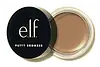 Key Ingredients
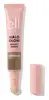
Benefits
Concerns
Ingredients Side-by-side
Phenyl Trimethicone
Skin Conditioning
Silica
Abrasive


Aluminum Starch Octenylsuccinate
Absorbent
Polymethyl Methacrylate
Polyethylene
Abrasive
Microcrystalline Wax
Emulsion StabilisingPhenoxyethanol
Preservative
Diethylhexyl Syringylidenemalonate
Skin Protecting
Tocopheryl Acetate
Antioxidant


Caprylyl Glycol
Emollient
Argania Spinosa Kernel Oil
Emollient






Caprylic/Capric Triglyceride
Masking
CI 77491
Cosmetic ColorantCI 77492
Cosmetic ColorantCI 77499
Cosmetic ColorantCI 77891
Cosmetic ColorantCI 42090
Cosmetic ColorantCI 17200
Cosmetic ColorantPhenyl Trimethicone, Silica, Aluminum Starch Octenylsuccinate, Polymethyl Methacrylate, Polyethylene, Microcrystalline Wax, Phenoxyethanol, Diethylhexyl Syringylidenemalonate, Tocopheryl Acetate, Caprylyl Glycol, Argania Spinosa Kernel Oil, Caprylic/Capric Triglyceride, CI 77491, CI 77492, CI 77499, CI 77891, CI 42090, CI 17200
Water
Skin ConditioningHydrogenated Didecene
Skin ConditioningIsododecane
EmollientGlycerin
Humectant
Propylene Glycol
Humectant
Dimethicone
Emollient
Cetyl PEG/PPG-10/1 Dimethicone
Emulsifying
Trimethylsiloxysilicate
Emollient
Squalane
Emollient
Mica
Cosmetic ColorantIsoamyl Laurate
Emollient
PEG-10 Dimethicone
Skin Conditioning
Hydrogenated Styrene/Isoprene Copolymer
Sodium Chloride
MaskingPolyglyceryl-4 Isostearate
Emulsifying
Disteardimonium Hectorite
StabilisingSynthetic Sapphire
Caprylic/Capric Triglyceride
Masking
Propylene Carbonate
SolventTocopherol
Antioxidant
Helianthus Annuus Seed Oil
Emollient
Calendula Officinalis Flower Extract
Masking
Polymethylsilsesquioxane
Hydrolyzed Sodium Hyaluronate
Skin Conditioning
Sodium Hyaluronate
Humectant
Disodium EDTA
ChelatingCaprylyl Glycol
Emollient
Phenoxyethanol
Preservative
Ethylhexylglycerin
Skin ConditioningTriethoxycaprylylsilane
Aluminum Hydroxide
EmollientPentaerythrityl Tetra-Di-T-Butyl Hydroxyhydrocinnamate
Antioxidant
CI 77891
Cosmetic ColorantIron Oxides
Water, Hydrogenated Didecene, Isododecane, Glycerin, Propylene Glycol, Dimethicone, Cetyl PEG/PPG-10/1 Dimethicone, Trimethylsiloxysilicate, Squalane, Mica, Isoamyl Laurate, PEG-10 Dimethicone, Hydrogenated Styrene/Isoprene Copolymer, Sodium Chloride, Polyglyceryl-4 Isostearate, Disteardimonium Hectorite, Synthetic Sapphire, Caprylic/Capric Triglyceride, Propylene Carbonate, Tocopherol, Helianthus Annuus Seed Oil, Calendula Officinalis Flower Extract, Polymethylsilsesquioxane, Hydrolyzed Sodium Hyaluronate, Sodium Hyaluronate, Disodium EDTA, Caprylyl Glycol, Phenoxyethanol, Ethylhexylglycerin, Triethoxycaprylylsilane, Aluminum Hydroxide, Pentaerythrityl Tetra-Di-T-Butyl Hydroxyhydrocinnamate, CI 77891, Iron Oxides
Reviews
Ingredients Explained
These ingredients are found in both products.
Ingredients higher up in an ingredient list are typically present in a larger amount.
Caprylic/Capric Triglyceride (aka MCT Oil) is a lightweight emollient, solvent, and texture enhancer. It is considered a skin-softener by helping to prevent moisture loss.
Though it behaves like an oil, it is not technically one due to its chemical composition. One perk of this ingredient is that it is very stable, resistant to oxidation, and unlikely to go rancid.
In practice, that translates to a long shelf life and a consistently elegant skin feel.
While there is an assumption Caprylic Triglyceride can clog pores due to it being derived from coconut oil, there is no research supporting this. Just patch test if you have concerns.
Fractionated coconut oil and MCT Oil are both listed as Caprylic/Capric Triglyceride according to INCI. This is because INCI names are based on the ingredient’s final chemical composition and not its marketing name or source.
This ingredient is treated as the gold standard fungal acne safe oil. Even though it is coconut derived, the problematic lauric acid is stripped out.
This leaves just caprylic (C8) and capric (C10) acid. These chain lengths actually trend antifungal; a 2020 study found caprylic acid was enough to disrupt Malassezia furfur cell membrane, with a caprylic acid derivative damaging membrane structures at concentrations as low as 0.2%.
Learn more about Caprylic/Capric TriglycerideCaprylyl Glycol is a humectant, skin conditioner, emollient, and preservative booster derived from either caprylic acid or synthetically created.
Typical use levels vary from 0.3-1% as a preservative booster and go up to 2% to condition skin.
Because it is not a free-fatty acid, this ingredient is fungal acne safe (there's nothing for Malassezia to feed on).
Learn more about Caprylyl GlycolCi 77891 is a white pigment from Titanium dioxide. It is naturally found in minerals such as rutile and ilmenite.
It's main function is to add a white color to cosmetics. It can also be mixed with other colors to create different shades.
Ci 77891 is commonly found in sunscreens due to its ability to block UV rays.
Learn more about CI 77891Phenoxyethanol is one of the most widely used preservatives in skincare (and for good reason!).
It has a large spectrum of antimicrobial activity and especially effective bacteria, yeast, and mold while only having a weak effect on your skin's natural microbiome.
On a cellular level, it disrupts the cell membranes of microbes by poking holes that make the cell leak. This shuts down the chemical reactions the microbe needs to make energy so it can no longer survive.
Another perk of this ingredient is that it stays functional across a wide pH range (3-10).
You'll often see it paired with boosters like Ethylhexylglycerin; one study showed that a 1:9 ratio of Ethylhexylglycerin to Phenoxyethanol damages bacterial membranes as effectively as doubling the Phenoxyethanol concentration on its own.
Typical use concentrations range from 0.3-1% depending on the formula, and this ingredient is capped at 1% int the EU.
Safety-wise, the fear mongering does not hold up to the evidence. The EU's Scientific Committee on Consumer Safety and FDA consider it safe as a preservative at up to 1%, including for children of all ages.
Adverse systemic effects only showed up in animal studies at exposures roughly 200x higher than what people get from cosmetics. And despite its very widespread use, this ingredient is a rare sensitizer and allergic reactions are uncommon.
Learn more about Phenoxyethanol

