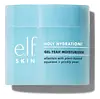
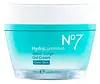
e.l.f. cosmetics Holy Hydration! Gel-Yeah Moisturizer Versus No7 HydraLuminous Water Surge Gel Cream
This barrier-repair moisturizer is formulated around Trehalose and Squalane to strengthen the skin barrier and hydrate skin.
This moisturizer is formulated around Xylitylglucoside and Panthenol to hydrate skin.


What's inside
What's inside
 Key Ingredients
Benefits
Concerns
Ingredients Side-by-side
Water
Skin ConditioningButylene Glycol
Humectant

Trehalose
Humectant
Bis-PEG-18 Methyl Ether Dimethyl Silane
EmollientDiglycerin
Humectant
Squalane
Emollient
Opunta Dillenii Extract
Allantoin
Skin Conditioning


Sodium Hyaluronate
Humectant
Tocopherol
Antioxidant



Dipropylene Glycol
HumectantAcrylates/C10-30 Alkyl Acrylate Crosspolymer
Emulsion StabilisingArginine
Masking
Hydroxyacetophenone
Antioxidant
1,2-Hexanediol
Skin Conditioning
Dimethicone
Emollient
Disodium EDTA
ChelatingParfum
Masking




Geraniol
Perfuming
Linalool
Perfuming
Water, Butylene Glycol, Trehalose, Bis-PEG-18 Methyl Ether Dimethyl Silane, Diglycerin, Squalane, Opunta Dillenii Extract, Allantoin, Sodium Hyaluronate, Tocopherol, Dipropylene Glycol, Acrylates/C10-30 Alkyl Acrylate Crosspolymer, Arginine, Hydroxyacetophenone, 1,2-Hexanediol, Dimethicone, Disodium EDTA, Parfum, Geraniol, Linalool
Water
Skin ConditioningGlycerin
Humectant
Caprylic/Capric Triglyceride
Masking
Butylene Glycol
Humectant
Dimethicone
Emollient
Ethylhexyl Stearate
Emollient


Sodium Polyacrylate
Absorbent
Alcohol Denat.
Antimicrobial

Xylitylglucoside
Humectant
Phenoxyethanol
Preservative
Acrylates/C10-30 Alkyl Acrylate Crosspolymer
Emulsion StabilisingPanthenol
Skin Conditioning
Anhydroxylitol
Humectant
Tocopheryl Acetate
Antioxidant
Polysorbate 20
Emulsifying
Xanthan Gum
EmulsifyingCaprylyl Glycol
Emollient
Sodium Benzoate
Masking
Xylitol
Humectant
Ascorbyl Glucoside
Antioxidant
Propylene Glycol
Humectant
Parfum
Masking
Ethylhexylglycerin
Skin ConditioningPotassium Hydroxide
BufferingTetrasodium EDTA
ChelatingGlucose
Humectant
Panax Ginseng Root Extract
Emollient
Biosaccharide Gum-4
Skin Conditioning
Dipropylene Glycol
HumectantMorus Alba Leaf Extract
Skin ConditioningWater, Glycerin, Caprylic/Capric Triglyceride, Butylene Glycol, Dimethicone, Ethylhexyl Stearate, Sodium Polyacrylate, Alcohol Denat., Xylitylglucoside, Phenoxyethanol, Acrylates/C10-30 Alkyl Acrylate Crosspolymer, Panthenol, Anhydroxylitol, Tocopheryl Acetate, Polysorbate 20, Xanthan Gum, Caprylyl Glycol, Sodium Benzoate, Xylitol, Ascorbyl Glucoside, Propylene Glycol, Parfum, Ethylhexylglycerin, Potassium Hydroxide, Tetrasodium EDTA, Glucose, Panax Ginseng Root Extract, Biosaccharide Gum-4, Dipropylene Glycol, Morus Alba Leaf Extract
Reviews
Ingredients Explained
These ingredients are found in both products.
Ingredients higher up in an ingredient list are typically present in a larger amount.
Acrylates/C10-30 Alkyl Acrylate Crosspolymer is a synthetic polymer. It is used to thicken, emulsify, and improve the texture of products.
As an emulsifier, it helps stabilize oil-in-water emulsions to give products an elegant feel when applied.
It can also form a thin protective film on skin. One study found that a formula using this polymer helped slow down how quickly other ingredients (like DEET) were absorbed through skin.
A 2024 study of over 1,300 patients confirmed that sensitization to this ingredient is rare. It is also non-mutagenic and has a clean track record.
Learn more about Acrylates/C10-30 Alkyl Acrylate CrosspolymerButylene Glycol (or BG) is used within cosmetic products for a few different reasons:
Overall, Butylene Glycol is a safe and well-rounded ingredient that works well with other ingredients.
Though this ingredient works well with most skin types, some people with sensitive skin may experience a reaction such as allergic rashes, closed comedones, or itchiness.
Learn more about Butylene GlycolDimethicone is a type of synthetic silicone created from natural materials such as quartz. It is also known as polydimethylsiloxane.
What it does:
Dimethicone comes in different viscosities:
Depending on the viscosity, dimethicone has different properties.
Ingredients lists don't always show which type is used, so we recommend reaching out to the brand if you have questions about the viscosity.
This ingredient is unlikely to cause irritation because it does not get absorbed into skin. However, people with silicone allergies should be careful about using this ingredient.
Note: Dimethicone may contribute to pilling. This is because it is not oil or water soluble, so pilling may occur when layered with products. When mixed with heavy oils in a formula, the outcome is also quite greasy.
Learn more about DimethiconeDipropylene Glycol is a synthetically created humectant, stabilizer, and solvent.
This ingredient helps:
Dipropylene glycol is technically an alcohol, but it belongs to the glycol family (often considered part of the ‘good’ alcohols). This means it is hydrating and gentle on skin unlike drying solvent alcohols like denatured alcohol.
As a masking agent, Dipropylene Glycol can be used to cover the smell of other ingredients. However, it does not have a scent.
Studies show Dipropylene Glycol is considered safe to use in skincare.
Learn more about Dipropylene GlycolParfum is a catch-all term for an ingredient or more that is used to give a scent to products.
Also called "fragrance", this ingredient can be a blend of hundreds of chemicals or plant oils. This means every product with "fragrance" or "parfum" in the ingredients list is a different mixture.
For instance, Habanolide is a proprietary trade name for a specific aroma chemical. When used as a fragrance ingredient in cosmetics, most aroma chemicals fall under the broad labeling category of “FRAGRANCE” or “PARFUM” according to EU and US regulations.
The term 'parfum' or 'fragrance' is not regulated in many countries. In many cases, it is up to the brand to define this term.
For instance, many brands choose to label themselves as "fragrance-free" because they are not using synthetic fragrances. However, their products may still contain ingredients such as essential oils that are considered a fragrance by INCI standards.
One example is Calendula flower extract. Calendula is an essential oil that still imparts a scent or 'fragrance'.
Depending on the blend, the ingredients in the mixture can cause allergies and sensitivities on the skin. Some ingredients that are known EU allergens include linalool and citronellol.
Parfum can also be used to mask or cover an unpleasant scent.
The bottom line is: not all fragrances/parfum/ingredients are created equally. If you are worried about fragrances, we recommend taking a closer look at an ingredient. And of course, we always recommend speaking with a professional.
Learn more about ParfumWater. It's the most common cosmetic ingredient of all. You'll usually see it at the top of ingredient lists, meaning that it makes up the largest part of the product.
So why is it so popular? Water most often acts as a solvent - this means that it helps dissolve other ingredients into the formulation.
You'll also recognize water as that liquid we all need to stay alive. If you see this, drink a glass of water. Remember to stay hydrated!
Learn more about Water

