

What's inside
What's inside
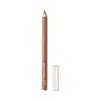 Key Ingredients
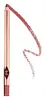
Benefits
Concerns
Ingredients Side-by-side
Caprylic/Capric Triglyceride
Masking


Ricinus Communis Seed Oil
Masking



Mangifera Indica Seed Butter
Skin Conditioning
Euphorbia Cerifera Wax
Mica
Cosmetic ColorantRhus Succedanea Fruit Wax
Hydrogenated Jojoba Oil
Abrasive
Copernicia Cerifera Wax
Limnanthes Alba Seed Oil
Skin Conditioning
Argania Spinosa Kernel Oil
Emollient


Glyceryl Caprylate
EmollientTocopheryl Acetate
Antioxidant


Ascorbyl Palmitate
Antioxidant

Iron Oxides
CI 77891
Cosmetic ColorantCaprylic/Capric Triglyceride, Ricinus Communis Seed Oil, Mangifera Indica Seed Butter, Euphorbia Cerifera Wax, Mica, Rhus Succedanea Fruit Wax, Hydrogenated Jojoba Oil, Copernicia Cerifera Wax, Limnanthes Alba Seed Oil, Argania Spinosa Kernel Oil, Glyceryl Caprylate, Tocopheryl Acetate, Ascorbyl Palmitate, Iron Oxides, CI 77891
Cyclopentasiloxane
Emollient
Synthetic Wax
Abrasive
Isododecane
EmollientPolybutene
Hydrogenated Cottonseed Oil
Emollient

Mica
Cosmetic ColorantCeresin
Emulsion StabilisingOzokerite
Emulsion StabilisingCera Microcristallina
Emulsion StabilisingEthylhexyl Palmitate
Emollient
Simmondsia Chinensis Seed Oil
Emollient
Tocopherol
Antioxidant

Ascorbyl Palmitate
Antioxidant
Silica Dimethyl Silylate
EmollientButylene Glycol
Humectant
Caprylyl Glycol
Emollient
Sodium Hyaluronate
Humectant
Hexylene Glycol
EmulsifyingPhenoxyethanol
Preservative
CI 77891
Cosmetic ColorantIron Oxides
CI 15850
Cosmetic ColorantCyclopentasiloxane, Synthetic Wax, Isododecane, Polybutene, Hydrogenated Cottonseed Oil, Mica, Ceresin, Ozokerite, Cera Microcristallina, Ethylhexyl Palmitate, Simmondsia Chinensis Seed Oil, Tocopherol, Ascorbyl Palmitate, Silica Dimethyl Silylate, Butylene Glycol, Caprylyl Glycol, Sodium Hyaluronate, Hexylene Glycol, Phenoxyethanol, CI 77891, Iron Oxides, CI 15850
Reviews
Ingredients Explained
These ingredients are found in both products.
Ingredients higher up in an ingredient list are typically present in a larger amount.
Ascorbyl Palmitate is a fat-soluble form of vitamin C (Ascorbic Acid) made by combining it with palmitic acid.
It is able to blend easily into creams and oil-based formulas because it dissolves in oils rather than water.
As you may know, regular vitamin C is notorious for breaking down when exposed to sunlight and air. Ascorbyl Palmitate is more stable and degrades at a slower rate.
Research on whether it converts efficiently into active vitamin C once it's applied on your skin is still limited.
Some in-vitro studies suggest it may support collagen production, but it is not considered one of the stronger vitamin C derivatives, like:
Due to the palmitic acid base, this ingredient may not be fungal acne safe. Comedogenic studies have also shown this ingredient to have a rating of 2.
It's also worth keeping in mind that comedogenic and irritancy ratings are tested on individual ingredients, not finished formulas. The final product's formulation, concentration, and other ingredients all play a role in how something actually behaves on your skin.
Learn more about Ascorbyl PalmitateCi 77891 is a white pigment from Titanium dioxide. It is naturally found in minerals such as rutile and ilmenite.
It's main function is to add a white color to cosmetics. It can also be mixed with other colors to create different shades.
Ci 77891 is commonly found in sunscreens due to its ability to block UV rays.
Learn more about CI 77891Mica is a naturally occurring mineral used to add shimmer and color in cosmetics. It can also help improve the texture of a product or give it an opaque, white/silver color.
Serecite is the name for very fine but ragged grains of mica.
This ingredient is often coated with metal oxides like titanium dioxide. Trace amounts of heavy metals may be found in mica, but these metals are not harmful in our personal products.
Mica has been used since prehistoric times throughout the world. Ancient Egyptian, Indian, Greek, Roman, Aztec, and Chinese civilizations have used mica.
Learn more about MicaThis ingredient is a combination of red, black, and yellow iron oxide pigments. This combination of colors is usually found in foundation, because it results in a "skin" color.
The EU typically uses CI numbers for colorants when applicable, such as CI 77489. In the US, iron oxides are regulated as color additives and "iron oxides" is the most commonly used name in US cosmetic practice.
A 2021 paper looked at skincare formulations containing iron oxides and found that they reduced transmission of blue light when measured optically. In simple terms, the pigment particles helped block or scatter part of the visible light spectrum in lab testing and the authors suggest this could translate into better protection against blue-light-related skin effects.
There is also clinical and experimental research showing that tinted products containing iron oxides can reduce visible light-induced pigmentation:
Please note, whether a product reduces visible or blue light depends on things like:
In the EU's CosIng database, iron oxides are only listed as a colorant. CosIng groups ingredients by their main cosmetic role, such as colorant, preservative, or UV filter.
Though studies say iron oxides can "attenuate blue light", they're describing an optical property and not an officially recognized cosmetic function.
So CosIng isn’t contradicting the research. It’s just classifying iron oxides by what they officially are: pigments that add color.
Learn more about Iron Oxides

