Dr. Zenovia Skincare Hyaluronic Acid + Peptide Serum Versus Youth To The People Triple Peptide + Cactus Oasis Serum
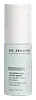
This hydrating serum is formulated around Sodium Hyaluronate and Bakuchiol to hydrate skin and soften the look of wrinkles.
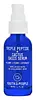
This anti-aging serum is formulated around Opuntia Ficus-Indica Stem Extract and Palmitoyl Tripeptide-1 to soften the look of wrinkles.

What's inside
What's inside
 Key Ingredients
Benefits
Concerns
Ingredients Side-by-side
Water
Skin ConditioningGlycerin
Humectant


Sodium PCA
Humectant
Sodium Hyaluronate
Humectant


Hydrolyzed Sodium Hyaluronate
Skin Conditioning
Resveratrol
Antioxidant

Bakuchiol
Antimicrobial



Camellia Sinensis Extract
Antioxidant
Genistein
Skin ConditioningPunica Granatum Sterols
Skin Conditioning

Cucumis Sativus Fruit Extract
Emollient
Aloe Barbadensis Leaf Juice
Skin Conditioning
Palmitoyl Tripeptide-28
Skin Conditioning
Ergothioneine
Antioxidant
Glutathione
Zinc PCA
Humectant

Copper PCA
HumectantTocopheryl Acetate
Antioxidant
Phenoxyethanol
Preservative
Disodium EDTA
ChelatingWater, Glycerin, Sodium PCA, Sodium Hyaluronate, Hydrolyzed Sodium Hyaluronate, Resveratrol, Bakuchiol, Camellia Sinensis Extract, Genistein, Punica Granatum Sterols, Cucumis Sativus Fruit Extract, Aloe Barbadensis Leaf Juice, Palmitoyl Tripeptide-28, Ergothioneine, Glutathione, Zinc PCA, Copper PCA, Tocopheryl Acetate, Phenoxyethanol, Disodium EDTA
Water
Skin ConditioningButylene Glycol
Humectant
Glycerin
Humectant
Pentylene Glycol
Skin Conditioning
Opuntia Ficus-Indica Stem Extract
Skin Conditioning
Palmitoyl Tripeptide-1
Skin Conditioning
Palmitoyl Tetrapeptide-7
Skin Conditioning
Palmitoyl Tripeptide-28
Skin Conditioning
Sodium Hyaluronate
Humectant
Hydrolyzed Sodium Hyaluronate
Skin Conditioning
Sodium Hyaluronate Crosspolymer
Humectant
Sodium Acetylated Hyaluronate
Humectant
Synthetic Sapphire
Citrullus Lanatus Fruit Extract
Skin Conditioning
Lens Esculenta Fruit Extract
Skin ConditioningPyrus Malus Fruit Extract
Skin Conditioning
Nephelium Lappaceum Peel Extract
Skin ConditioningSodium PCA
Humectant
Glutathione
Malachite Extract
Antioxidant
Citric Acid
Buffering
Hydroxypropyl Methylcellulose
Emulsion StabilisingTetrasodium Glutamate Diacetate
ChelatingPolyglutamic Acid
Skin Conditioning
1,2-Hexanediol
Skin Conditioning
Caprylyl Glycol
Emollient
Sodium Lactate
Buffering
Carbomer
Emulsion StabilisingPropanediol
Solvent
Polysorbate 20
Emulsifying
Hydroxyethylcellulose
Emulsion StabilisingXanthan Gum
EmulsifyingPhenoxyethanol
Preservative
Ethylhexylglycerin
Skin ConditioningWater, Butylene Glycol, Glycerin, Pentylene Glycol, Opuntia Ficus-Indica Stem Extract, Palmitoyl Tripeptide-1, Palmitoyl Tetrapeptide-7, Palmitoyl Tripeptide-28, Sodium Hyaluronate, Hydrolyzed Sodium Hyaluronate, Sodium Hyaluronate Crosspolymer, Sodium Acetylated Hyaluronate, Synthetic Sapphire, Citrullus Lanatus Fruit Extract, Lens Esculenta Fruit Extract, Pyrus Malus Fruit Extract, Nephelium Lappaceum Peel Extract, Sodium PCA, Glutathione, Malachite Extract, Citric Acid, Hydroxypropyl Methylcellulose, Tetrasodium Glutamate Diacetate, Polyglutamic Acid, 1,2-Hexanediol, Caprylyl Glycol, Sodium Lactate, Carbomer, Propanediol, Polysorbate 20, Hydroxyethylcellulose, Xanthan Gum, Phenoxyethanol, Ethylhexylglycerin
Reviews
Ingredients Explained
These ingredients are found in both products.
Ingredients higher up in an ingredient list are typically present in a larger amount.
Glutathione is a tiny protein-like molecule (a "tripeptide" build from 3 amino acids: glycine, cysteine, and glutamic acid) that your body already makes on its own.
Inside your body, it acts as one of the skin's main antioxidants that help fight against free radicals.
In skincare, it's best known as a brightening ingredient that slows down tyrosinase, the key enzyme that makes skin pigment. It also nudges the skin toward making a lighter type of pigment instead of a darker one.
This is why you'll see it in products aimed at dark spots and uneven tone.
A small number of real human trials have found a topical glutathione lotion:
The honest caveat is that the current evidence is still thin (few studies, small groups, short timelines). Glutathione also doesn't absorb into skin very easily so results tend to be modest and fade if you stop using it.
One thing worth clearing up:
The scary side effects you may have heard about come from glutathione injected intravenously, which has real safety concerns. Applying it topically is a completely different thing and has a clean track record.
Most human studies used it around 2% (as Glutathione or Glutathione Disulfide) and a 2% oxidized glutathione lotion and a 2% S-acyl glutathione cream are the concentrations with actual clinical data behind them.
There's no established "ideal" percentage yet but 1-2% is the evidence-backed range.
Allergy-wise, there is very low risk for this ingredient; it was well-tolerated across the topical trials. Only one participant had mild temporary redness that cleared up on its own and another study reported no adverse reactions at all.
One trial had ~10% of users drop out for irritation was using a combination cream that also had 10% azelaic acid so the irritation likely wasn't from the glutathione. There's no notable contact-allergy signal for topical glutathione in the literature but patch-testing before first use is still sensible for those with sensitive skin.
Learn more about GlutathioneGlycerin (or glycerol) is a compound naturally found in your skin. It's a powerhouse humectant that pulls water into the stratum corneum.
Topically, glycerin does several things at once:
Your skin makes glycerin on its own (mostly from sebaceous oil breakdown) and shuttles it to your outermost layer of skin, or your epidermis, via aquaporin-3.
Aquaporin-3 is a transporter that is essential for normal skin hydration, elasticity, and repair. Interestingly, mice lacking in AQP3 have dry and less elastic skin that can be fully corrected with glycerin.
This ingredient is non-irritating, plays well with almost every ingredient, and works across all skin types. Typical use is anywhere between 3-10% but can go up to 79% in some leave-on products.
Just know very high concentrations (>40%) can feel tacky in low humidity.
Glycerin is the name for this ingredient in American English. British English uses Glycerol/Glycerine.
Learn more about GlycerinThis ingredient is created by putting sodium hyaluronate through hydrolysis.
You might know this as 'mini' or 'ultra low-molecular weight' hyaluronic acid. The small molecule size means it is able to travel deeper in the skin.
According to studies, low molecular-weight hyaluronic acid can:
One study from 2011 found ultra-low weight HA to show pro-inflammatory properties. Another study from 2022 found it to downregulate UV-B induced inflammation.
Hydrolysis is a process of changing a molecule using water or enzymes.
This ingredient is water-soluble.
Learn more about Hydrolyzed Sodium HyaluronatePalmitoyl Tripeptide-28 is a peptide.
Phenoxyethanol is one of the most widely used preservatives in skincare (and for good reason!).
It has a large spectrum of antimicrobial activity and especially effective bacteria, yeast, and mold while only having a weak effect on your skin's natural microbiome.
On a cellular level, it disrupts the cell membranes of microbes by poking holes that make the cell leak. This shuts down the chemical reactions the microbe needs to make energy so it can no longer survive.
Another perk of this ingredient is that it stays functional across a wide pH range (3-10).
You'll often see it paired with boosters like Ethylhexylglycerin; one study showed that a 1:9 ratio of Ethylhexylglycerin to Phenoxyethanol damages bacterial membranes as effectively as doubling the Phenoxyethanol concentration on its own.
Typical use concentrations range from 0.3-1% depending on the formula, and this ingredient is capped at 1% int the EU.
Safety-wise, the fear mongering does not hold up to the evidence. The EU's Scientific Committee on Consumer Safety and FDA consider it safe as a preservative at up to 1%, including for children of all ages.
Adverse systemic effects only showed up in animal studies at exposures roughly 200x higher than what people get from cosmetics. And despite its very widespread use, this ingredient is a rare sensitizer and allergic reactions are uncommon.
Learn more about PhenoxyethanolSodium Hyaluronate is the salt form of hyaluronic acid. It is a long sugar chain that is naturally found in your skin, joints, and connective tissue that maintains hydration and elasticity.
In skincare, it works as a humectant. It pulls water from the environment and deeper layers of skin and binds it to the surface.
Interestingly, the size of the molecule affects its behavior:
Some clinical evidence links low molecular weight versions to improved wrinkle depth, elasticity, anti-inflammatory effects, and barrier repair.
Many serums use a blend of both weights so you can get surface hydration plus longer-lasting and deeper effects.
You'll typically see concentrations between 0.1-2% for this ingredient.
Learn more about Sodium HyaluronateSodium PCA (the salt of PCA) is one of the most well-established humectants in skincare.
Why is it so special? Your skin already makes it naturally; it's a natural component of your skin's Natural Moisturizing Factor (NMF), or the mix of water-binding compounds inside your skin cells that keeps things soft and hydrated.
As a cosmetic ingredient, it grabs water and holds it in the upper layers of skin to smooth roughness and ease dehydration.
There's some clinical support for the NMF approach with a study showing that a cream built to mimic the skin's NMF significantly boosted hydration.
Safety-wise, this ingredient non-irritating, non-comedogenic, and non-phototoxic in testing, with minimal skin absorption.
It also works really well with other hydrators like glycerin or hyaluronic acid, and typical usage is somewhere between 0.2-4%.
Learn more about Sodium PCAWater. It's the most common cosmetic ingredient of all. You'll usually see it at the top of ingredient lists, meaning that it makes up the largest part of the product.
So why is it so popular? Water most often acts as a solvent - this means that it helps dissolve other ingredients into the formulation.
You'll also recognize water as that liquid we all need to stay alive. If you see this, drink a glass of water. Remember to stay hydrated!
Learn more about Water

