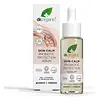
This calming serum is formulated around Aloe Barbadensis Leaf Juice Powder and Lactobacillus Ferment Lysate to calm redness and strengthen the skin barrier.
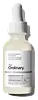
This hydrating serum is formulated around Sodium Hyaluronate and Panthenol to hydrate skin and strengthen the skin barrier.


What's inside
What's inside
 Key Ingredients
Benefits
Concerns
Ingredients Side-by-side
Water
Skin ConditioningAloe Barbadensis Leaf Juice Powder
Skin Conditioning


Glycerin
Humectant

Inulin
Skin Conditioning
Lactobacillus Ferment Lysate
Skin Conditioning
Lactobacillus Ferment
Skin Conditioning
Alpha-Glucan Oligosaccharide
Cleansing
Gluconolactone
Chelating






Arginine
Masking
Anthemis Nobilis Flower Oil
Masking



Camellia Sinensis Leaf Extract
Antimicrobial
Punica Granatum Extract
AstringentCaffeine
Skin Conditioning
C15-19 Alkane
SolventMyristyl Glucoside
CleansingLauryl Glucoside
CleansingPolyglyceryl-6 Laurate
Emulsifying

Calcium Gluconate
HumectantXanthan Gum
EmulsifyingDehydroacetic Acid
Preservative
Benzyl Alcohol
Perfuming



Sodium Benzoate
Masking
Water, Aloe Barbadensis Leaf Juice Powder, Glycerin, Inulin, Lactobacillus Ferment Lysate, Lactobacillus Ferment, Alpha-Glucan Oligosaccharide, Gluconolactone, Arginine, Anthemis Nobilis Flower Oil, Camellia Sinensis Leaf Extract, Punica Granatum Extract, Caffeine, C15-19 Alkane, Myristyl Glucoside, Lauryl Glucoside, Polyglyceryl-6 Laurate, Calcium Gluconate, Xanthan Gum, Dehydroacetic Acid, Benzyl Alcohol, Sodium Benzoate
Water
Skin ConditioningSodium Hyaluronate
Humectant
Propanediol
Solvent
Pentylene Glycol
Skin Conditioning
Hydrolyzed Hyaluronic Acid
Humectant
Sodium Hyaluronate Crosspolymer
Humectant
Phospholipids
Skin Conditioning
Sphingolipids
Emollient
Panthenol
Skin Conditioning
Ahnfeltiopsis Concinna Extract
Skin Conditioning
Glycerin
Humectant
Polysorbate 20
Emulsifying
Citric Acid
Buffering
Sodium Citrate
BufferingP-Anisic Acid
MaskingTocopherol
Antioxidant

Trisodium Ethylenediamine Disuccinate
ChelatingCaprylyl Glycol
Emollient
Ethoxydiglycol
HumectantEthylhexylglycerin
Skin ConditioningHexylene Glycol
EmulsifyingPhenoxyethanol
Preservative
Chlorphenesin
Antimicrobial
Water, Sodium Hyaluronate, Propanediol, Pentylene Glycol, Hydrolyzed Hyaluronic Acid, Sodium Hyaluronate Crosspolymer, Phospholipids, Sphingolipids, Panthenol, Ahnfeltiopsis Concinna Extract, Glycerin, Polysorbate 20, Citric Acid, Sodium Citrate, P-Anisic Acid, Tocopherol, Trisodium Ethylenediamine Disuccinate, Caprylyl Glycol, Ethoxydiglycol, Ethylhexylglycerin, Hexylene Glycol, Phenoxyethanol, Chlorphenesin
Reviews
Ingredients Explained
These ingredients are found in both products.
Ingredients higher up in an ingredient list are typically present in a larger amount.
Glycerin (or glycerol) is a compound naturally found in your skin. It's a powerhouse humectant that pulls water into the stratum corneum.
Topically, glycerin does several things at once:
Your skin makes glycerin on its own (mostly from sebaceous oil breakdown) and shuttles it to your outermost layer of skin, or your epidermis, via aquaporin-3.
Aquaporin-3 is a transporter that is essential for normal skin hydration, elasticity, and repair. Interestingly, mice lacking in AQP3 have dry and less elastic skin that can be fully corrected with glycerin.
This ingredient is non-irritating, plays well with almost every ingredient, and works across all skin types. Typical use is anywhere between 3-10% but can go up to 79% in some leave-on products.
Just know very high concentrations (>40%) can feel tacky in low humidity.
Glycerin is the name for this ingredient in American English. British English uses Glycerol/Glycerine.
Learn more about GlycerinWater. It's the most common cosmetic ingredient of all. You'll usually see it at the top of ingredient lists, meaning that it makes up the largest part of the product.
So why is it so popular? Water most often acts as a solvent - this means that it helps dissolve other ingredients into the formulation.
You'll also recognize water as that liquid we all need to stay alive. If you see this, drink a glass of water. Remember to stay hydrated!
Learn more about Water

