
What's inside
What's inside
 Key Ingredients
Benefits
Concerns
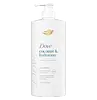
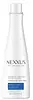
Ingredients Side-by-side
Water
Skin ConditioningSodium Laureth Sulfate
Cleansing

Cocamidopropyl Betaine
Cleansing

Sodium Chloride
Masking
Sodium Gluconate
Skin ConditioningParfum
Masking
Glycerin
Humectant



Sodium Benzoate
Masking
Citric Acid
Buffering



PPG-9
Skin ConditioningPolyquaternium-10
Disodium EDTA
Vitis Vinifera Seed Oil
Emollient

Prunus Amygdalus Dulcis Oil
Skin Conditioning
Simmondsia Chinensis Seed Oil
Emollient
Cocos Nucifera Oil
Masking
Cocos Nucifera Water
Masking
Citrus Aurantifolia Juice
CleansingCitronellol
Perfuming

Limonene
Perfuming
Linalool
Perfuming
Water, Sodium Laureth Sulfate, Cocamidopropyl Betaine, Sodium Chloride, Sodium Gluconate, Parfum, Glycerin, Sodium Benzoate, Citric Acid, PPG-9, Polyquaternium-10, Disodium EDTA, Vitis Vinifera Seed Oil, Prunus Amygdalus Dulcis Oil, Simmondsia Chinensis Seed Oil, Cocos Nucifera Oil, Cocos Nucifera Water, Citrus Aurantifolia Juice, Citronellol, Limonene, Linalool
Water
Skin ConditioningCetearyl Alcohol
Emollient

Dimethicone
Emollient
Stearamidopropyl Dimethylamine
EmulsifyingHydrolyzed Elastin
EmollientHydrolyzed Keratin
Humectant
Hydrolyzed Wheat Protein
Skin ConditioningCaulerpa Lentillifera Extract
Behentrimonium Chloride
Preservative
Parfum
Masking
Dipropylene Glycol
HumectantLactic Acid
Buffering

Amodimethicone
Trehalose
Humectant
Gluconolactone
Skin Conditioning
Cocos Nucifera Oil
Masking
Potassium Chloride
Disodium EDTA
PEG-7 Propylheptyl Ether
Emulsion StabilisingCetrimonium Chloride
Antimicrobial
Sodium Sulfate
Methylchloroisothiazolinone
Preservative
Methylisothiazolinone
Preservative
Water, Cetearyl Alcohol, Dimethicone, Stearamidopropyl Dimethylamine, Hydrolyzed Elastin, Hydrolyzed Keratin, Hydrolyzed Wheat Protein, Caulerpa Lentillifera Extract, Behentrimonium Chloride, Parfum, Dipropylene Glycol, Lactic Acid, Amodimethicone, Trehalose, Gluconolactone, Cocos Nucifera Oil, Potassium Chloride, Disodium EDTA, PEG-7 Propylheptyl Ether, Cetrimonium Chloride, Sodium Sulfate, Methylchloroisothiazolinone, Methylisothiazolinone
Ingredients Explained
These ingredients are found in both products.
Ingredients higher up in an ingredient list are typically present in a larger amount.
Cocos Nucifera Oil is obtained from the kernels of the coconut fruit. In other words, this is coconut oil.
Coconut Oil is rich in fatty acids with lauric acid making up the majority of these. It also contains linoleic acid. Due to this high fatty acid content, coconut oil helps trap moisture and soften skin.
Despite being antibacterial, coconut oil may not be great for acne-prone skin. It is comedogenic and may clog pores. This ingredient may not be safe for malassezia or fungal acne.
Note: Coconut Oil should not replace your sunscreen for UV protection. Studies show it only blocks about 20% of UV.
This oil is non-volatile and has a light scent.
The term 'fragrance' is not regulated in many countries. In many cases, it is up to the brand to define this term. For instance, many brands choose to label themselves as "fragrance-free" because they are not using synthetic fragrances. However, their products may still contain ingredients such as essential oils that are considered a fragrance.
Learn more about Cocos Nucifera OilDisodium EDTA plays a role in making products more stable by aiding other preservatives.
It is a chelating agent, meaning it neutralizes metal ions that may be found in a product.
Disodium EDTA is a salt of edetic acid and is found to be safe in cosmetic ingredients.
Learn more about Disodium EDTAParfum is a catch-all term for an ingredient or more that is used to give a scent to products.
Also called "fragrance", this ingredient can be a blend of hundreds of chemicals or plant oils. This means every product with "fragrance" or "parfum" in the ingredients list is a different mixture.
For instance, Habanolide is a proprietary trade name for a specific aroma chemical. When used as a fragrance ingredient in cosmetics, most aroma chemicals fall under the broad labeling category of “FRAGRANCE” or “PARFUM” according to EU and US regulations.
The term 'parfum' or 'fragrance' is not regulated in many countries. In many cases, it is up to the brand to define this term.
For instance, many brands choose to label themselves as "fragrance-free" because they are not using synthetic fragrances. However, their products may still contain ingredients such as essential oils that are considered a fragrance by INCI standards.
One example is Calendula flower extract. Calendula is an essential oil that still imparts a scent or 'fragrance'.
Depending on the blend, the ingredients in the mixture can cause allergies and sensitivities on the skin. Some ingredients that are known EU allergens include linalool and citronellol.
Parfum can also be used to mask or cover an unpleasant scent.
The bottom line is: not all fragrances/parfum/ingredients are created equally. If you are worried about fragrances, we recommend taking a closer look at an ingredient. And of course, we always recommend speaking with a professional.
Learn more about ParfumWater. It's the most common cosmetic ingredient of all. You'll usually see it at the top of ingredient lists, meaning that it makes up the largest part of the product.
So why is it so popular? Water most often acts as a solvent - this means that it helps dissolve other ingredients into the formulation.
You'll also recognize water as that liquid we all need to stay alive. If you see this, drink a glass of water. Stay hydrated!
Learn more about Water
