

What's inside
What's inside
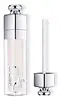 Key Ingredients
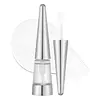
Benefits
Concerns
Ingredients Side-by-side
Methyl Hydrogenated Rosinate
Perfuming

Dimer Dilinoleyl Dimer Dilinoleate
EmollientPolyglyceryl-2 Triisostearate
Emulsifying

Polyglyceryl-10 Decaisostearate
EmollientJojoba Esters
Emollient
Polyglyceryl-3 Beeswax
Emulsifying
Glyceryl Behenate/Eicosadioate
Emollient
Ethylhexyl Palmitate
Emollient


Dipalmitoyl Hydroxyproline
Skin Conditioning
Menthoxypropanediol
Masking
Parfum
Masking
Synthetic Fluorphlogopite
Silica
Abrasive


Prunus Avium Seed Oil
Emollient
Ethyl Vanillin
MaskingTocopherol
Antioxidant







Trihydroxystearin
Skin Conditioning
Capsicum Frutescens Fruit Extract
Skin Conditioning
Tin Oxide
Abrasive
Sodium Hyaluronate
Humectant
Glucomannan
Skin ConditioningCI 77891
Cosmetic ColorantMethyl Hydrogenated Rosinate, Dimer Dilinoleyl Dimer Dilinoleate, Polyglyceryl-2 Triisostearate, Polyglyceryl-10 Decaisostearate, Jojoba Esters, Polyglyceryl-3 Beeswax, Glyceryl Behenate/Eicosadioate, Ethylhexyl Palmitate, Dipalmitoyl Hydroxyproline, Menthoxypropanediol, Parfum, Synthetic Fluorphlogopite, Silica, Prunus Avium Seed Oil, Ethyl Vanillin, Tocopherol, Trihydroxystearin, Capsicum Frutescens Fruit Extract, Tin Oxide, Sodium Hyaluronate, Glucomannan, CI 77891
Hydrogenated Polyisobutene
EmollientPolyglyceryl-2 Triisostearate
Emulsifying
Diisostearyl Malate
EmollientDimer Dilinoleyl Diisostearate
EmollientPhytosteryl/Isostearyl/Cetyl/Stearyl/Behenyl Dimer Dilinoleate
Skin Conditioning
Menthyl Lactate
Masking
Sorbitan Isostearate
Emulsifying
Vanillyl Butyl Ether
MaskingSilica
Abrasive
Tocopheryl Acetate
Antioxidant
Simmondsia Chinensis Seed Oil
Emollient
Caprylic/Capric Triglyceride
Masking
Centella Asiatica Extract
Cleansing

Water
Skin ConditioningButylene Glycol
Humectant
1,2-Hexanediol
Skin Conditioning
Sodium Hyaluronate
Humectant
Anemarrhena Asphodeloides Root Extract
Skin Conditioning
Madecassic Acid
Skin Conditioning
Asiatic Acid
Skin Conditioning
Madecassoside
Antioxidant
Asiaticoside
Antioxidant
Propolis Extract
Skin Conditioning

Parfum
Masking
Hydrogenated Polyisobutene, Polyglyceryl-2 Triisostearate, Diisostearyl Malate, Dimer Dilinoleyl Diisostearate, Phytosteryl/Isostearyl/Cetyl/Stearyl/Behenyl Dimer Dilinoleate, Menthyl Lactate, Sorbitan Isostearate, Vanillyl Butyl Ether, Silica, Tocopheryl Acetate, Simmondsia Chinensis Seed Oil, Caprylic/Capric Triglyceride, Centella Asiatica Extract, Water, Butylene Glycol, 1,2-Hexanediol, Sodium Hyaluronate, Anemarrhena Asphodeloides Root Extract, Madecassic Acid, Asiatic Acid, Madecassoside, Asiaticoside, Propolis Extract, Parfum
Reviews
Alternatives
Ingredients Explained
These ingredients are found in both products.
Ingredients higher up in an ingredient list are typically present in a larger amount.
Parfum is a catch-all term for an ingredient or more that is used to give a scent to products.
Also called "fragrance", this ingredient can be a blend of hundreds of chemicals or plant oils. This means every product with "fragrance" or "parfum" in the ingredients list is a different mixture.
For instance, Habanolide is a proprietary trade name for a specific aroma chemical. When used as a fragrance ingredient in cosmetics, most aroma chemicals fall under the broad labeling category of “FRAGRANCE” or “PARFUM” according to EU and US regulations.
The term 'parfum' or 'fragrance' is not regulated in many countries. In many cases, it is up to the brand to define this term.
For instance, many brands choose to label themselves as "fragrance-free" because they are not using synthetic fragrances. However, their products may still contain ingredients such as essential oils that are considered a fragrance by INCI standards.
One example is Calendula flower extract. Calendula is an essential oil that still imparts a scent or 'fragrance'.
Depending on the blend, the ingredients in the mixture can cause allergies and sensitivities on the skin. Some ingredients that are known EU allergens include linalool and citronellol.
Parfum can also be used to mask or cover an unpleasant scent.
The bottom line is: not all fragrances/parfum/ingredients are created equally. If you are worried about fragrances, we recommend taking a closer look at an ingredient. And of course, we always recommend speaking with a professional.
Learn more about ParfumPolyglyceryl-2 Triisostearate is a plant-derived emulsifier and pigment-dispersing agent with a non-sticky skin feel.
It helps products glide on smoothly and prevents oil and water from separating in a formula, making it suitable for sunscreen and makeup formulations.
The EU inventory of cosmetics has no use restrictions on this ingredient and it is considered well-tolerated.
This ingredient may not be fungal acne safe because it is derived from isostearic acid.
Learn more about Polyglyceryl-2 TriisostearateSilica, also known as silicon dioxide, is a naturally occurring mineral. It is used as a fine, spherical, and porous powder in cosmetics.
Though it has exfoliant properties, the function of silica varies depending on the product.
The unique structure of silica enhances the spreadability and adds smoothness, making it a great texture enhancer.
It is also used as an active carrier, emulsifier, and mattifier due to its ability to absorb excess oil.
In some products, tiny microneedles called spicules are made from silica or hydrolyzed sponge. When you rub them in, they lightly polish away dead skin layers and enhance the penetration of active ingredients.
Learn more about SilicaSodium Hyaluronate is the salt form of hyaluronic acid. It is a long sugar chain that is naturally found in your skin, joints, and connective tissue that maintains hydration and elasticity.
In skincare, it works as a humectant. It pulls water from the environment and deeper layers of skin and binds it to the surface.
Interestingly, the size of the molecule affects its behavior:
Some clinical evidence links low molecular weight versions to improved wrinkle depth, elasticity, anti-inflammatory effects, and barrier repair.
Many serums use a blend of both weights so you can get surface hydration plus longer-lasting and deeper effects.
You'll typically see concentrations between 0.1-2% for this ingredient.
Learn more about Sodium Hyaluronate

