This barrier-repair night moisturizer is formulated around Niacinamide and Panthenol to strengthen the skin barrier and hydrate skin.

What's inside
What's inside
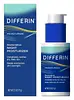 Key Ingredients
No key ingredients
Benefits
Concerns
Ingredients Side-by-side
Water
Skin ConditioningCaprylic/Capric Triglyceride
Masking


Glycerin
Humectant
Propanediol
Solvent
Pentylene Glycol
Skin Conditioning
Helianthus Annuus Seed Oil
Emollient


Sorbitol
Humectant
Dimethicone
Emollient
Butyrospermum Parkii Butter
Skin Conditioning


Cetearyl Alcohol
Emollient
Behenyl Alcohol
Emollient
Glyceryl Stearate
Emollient
Sodium Hydroxide
BufferingTocopheryl Acetate
Antioxidant


Cetyl Alcohol
Emollient
Ceteareth-20
Cleansing
Glyceryl Stearate Citrate
Emollient
Disodium Ethylene Dicocamide PEG-15 Disulfate
Cleansing
Niacinamide
Smoothing








Caprylyl Glycol
Emollient
Caffeine
Skin Conditioning
Allantoin
Skin Conditioning
Dipotassium Glycyrrhizate
Humectant
Panthenol
Skin Conditioning
Acrylates/C10-30 Alkyl Acrylate Crosspolymer
Emulsion StabilisingDisodium EDTA
Xanthan Gum
EmulsifyingBHT
Antioxidant
Sodium Hyaluronate
Humectant
Ceramide NP
Skin Conditioning
Citric Acid
Buffering
Water, Caprylic/Capric Triglyceride, Glycerin, Propanediol, Pentylene Glycol, Helianthus Annuus Seed Oil, Sorbitol, Dimethicone, Butyrospermum Parkii Butter, Cetearyl Alcohol, Behenyl Alcohol, Glyceryl Stearate, Sodium Hydroxide, Tocopheryl Acetate, Cetyl Alcohol, Ceteareth-20, Glyceryl Stearate Citrate, Disodium Ethylene Dicocamide PEG-15 Disulfate, Niacinamide, Caprylyl Glycol, Caffeine, Allantoin, Dipotassium Glycyrrhizate, Panthenol, Acrylates/C10-30 Alkyl Acrylate Crosspolymer, Disodium EDTA, Xanthan Gum, BHT, Sodium Hyaluronate, Ceramide NP, Citric Acid





Reviews
Ingredients Explained
These ingredients are found in both products.
Ingredients higher up in an ingredient list are typically present in a larger amount.
Cetyl Alcohol is a fatty alcohol. Fatty Alcohols are most often used as an emollient or to thicken a product.
Its main roles are:
Though it has "alcohol" in the name, it is not related to denatured alcohol or ethyl alcohol.
The FDA allows products labeled "alcohol-free" to have fatty alcohols.
This ingredient may not be fungal acne safe. It is a primary fatty alcohol with a chain length above 12 carbons. A study from 2019 show Malassezia can feed on fatty alcohols in this range, so it may trigger fungal acne in those prone to it.
Learn more about Cetyl AlcoholWater. It's the most common cosmetic ingredient of all. You'll usually see it at the top of ingredient lists, meaning that it makes up the largest part of the product.
So why is it so popular? Water most often acts as a solvent - this means that it helps dissolve other ingredients into the formulation.
You'll also recognize water as that liquid we all need to stay alive. If you see this, drink a glass of water. Remember to stay hydrated!
Learn more about Water

