

What's inside
What's inside
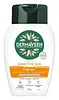 Key Ingredients
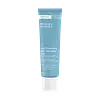
Benefits
Concerns
Ingredients Side-by-side
4-Methylbenzylidene Camphor
UV Absorber

Butyl Methoxydibenzoylmethane
UV Absorber
Ethylhexyl Triazone
UV Absorber
Octocrylene
UV Absorber

C12-15 Alkyl Benzoate
AntimicrobialAloe Barbadensis Leaf Juice
Skin Conditioning


Caprylyl Glycol
Emollient
Carbomer
Emulsion StabilisingTocopheryl Acetate
Antioxidant


Glycerin
Humectant

Hydroxyethylcellulose
Emulsion StabilisingColloidal Oatmeal
Absorbent
Caprylhydroxamic Acid
PEG-15 Cocamine
EmulsifyingPEG-40 Stearate
Emulsifying
Water
Skin ConditioningSilica
Abrasive


Triethanolamine
BufferingCera Alba
Emollient

4-Methylbenzylidene Camphor, Butyl Methoxydibenzoylmethane, Ethylhexyl Triazone, Octocrylene, C12-15 Alkyl Benzoate, Aloe Barbadensis Leaf Juice, Caprylyl Glycol, Carbomer, Tocopheryl Acetate, Glycerin, Hydroxyethylcellulose, Colloidal Oatmeal, Caprylhydroxamic Acid, PEG-15 Cocamine, PEG-40 Stearate, Water, Silica, Triethanolamine, Cera Alba
Butyl Methoxydibenzoylmethane 2%
UV Absorber
Ethylhexyl Methoxycinnamate 7.5%
UV Absorber
Ethylhexyl Salicylate 5%
UV Absorber
Octocrylene 2%
UV Absorber
Water
Skin ConditioningGlycerin
Humectant
Silica
Abrasive
Dimethicone
Emollient
Tocopherol
Antioxidant

Chamomilla Recutita Flower Extract
Masking
Vitis Vinifera Seed Extract
Antimicrobial
Camellia Sinensis Leaf Extract
Antimicrobial
Camellia Oleifera Leaf Extract
AstringentPeucedanum Graveolens Extract
TonicSambucus Nigra Fruit Extract
AstringentAvena Sativa Bran Extract
Abrasive
Punica Granatum Extract
AstringentLycium Barbarum Fruit Extract
Astringent
Hydrogenated Lecithin
Emulsifying
Titanium Dioxide
Cosmetic Colorant
Dimethicone/Vinyl Dimethicone Crosspolymer
Skin Conditioning
Diethylhexyl Syringylidenemalonate
Skin ProtectingHydroxyethyl Acrylate/Sodium Acryloyldimethyl Taurate Copolymer
Emulsion StabilisingXanthan Gum
EmulsifyingSodium Carbomer
Emulsion StabilisingBenzyl Alcohol
Perfuming



Sodium Benzoate
Masking
Potassium Sorbate
Preservative
Phenoxyethanol
Preservative
Butyl Methoxydibenzoylmethane 2%, Ethylhexyl Methoxycinnamate 7.5%, Ethylhexyl Salicylate 5%, Octocrylene 2%, Water, Glycerin, Silica, Dimethicone, Tocopherol, Chamomilla Recutita Flower Extract, Vitis Vinifera Seed Extract, Camellia Sinensis Leaf Extract, Camellia Oleifera Leaf Extract, Peucedanum Graveolens Extract, Sambucus Nigra Fruit Extract, Avena Sativa Bran Extract, Punica Granatum Extract, Lycium Barbarum Fruit Extract, Hydrogenated Lecithin, Titanium Dioxide, Dimethicone/Vinyl Dimethicone Crosspolymer, Diethylhexyl Syringylidenemalonate, Hydroxyethyl Acrylate/Sodium Acryloyldimethyl Taurate Copolymer, Xanthan Gum, Sodium Carbomer, Benzyl Alcohol, Sodium Benzoate, Potassium Sorbate, Phenoxyethanol
Reviews
Ingredients Explained
These ingredients are found in both products.
Ingredients higher up in an ingredient list are typically present in a larger amount.
Also known as Avobenzone, this ingredient is a chemical sunscreen filter that provides protection in the UV-A range.
Avobenzone is globally approved and is the most commonly used UV-A filter in the world.
Studies have found that avobenzone becomes ineffective when exposed to UV light (it is not photostable; meaning that it breaks down in sunlight). Because of this, formulations that include avobenzone will usually contain stabilizers such as octocrylene.
However, some modern formulations (looking at you, EU!) are able to stabilize avobenzone by coating the molecules.
Avobenzone does not protect against the UV-B range, so it's important to check that the sunscreen you're using contains other UV filters that do!
The highest concentration of avobenzone permitted is 3% in the US, and 5% in the EU.
Learn more about Butyl MethoxydibenzoylmethaneGlycerin (or glycerol) is a compound naturally found in your skin. It's a powerhouse humectant that pulls water into the stratum corneum.
Topically, glycerin does several things at once:
Your skin makes glycerin on its own (mostly from sebaceous oil breakdown) and shuttles it to your outermost layer of skin, or your epidermis, via aquaporin-3.
Aquaporin-3 is a transporter that is essential for normal skin hydration, elasticity, and repair. Interestingly, mice lacking in AQP3 have dry and less elastic skin that can be fully corrected with glycerin.
This ingredient is non-irritating, plays well with almost every ingredient, and works across all skin types. Typical use is anywhere between 3-10% but can go up to 79% in some leave-on products.
Just know very high concentrations (>40%) can feel tacky in low humidity.
Glycerin is the name for this ingredient in American English. British English uses Glycerol/Glycerine.
Learn more about GlycerinOctocrylene protects skin from sun damage. It absorbs UV-B with peak absorption of 304 nm. It is a common sunscreen ingredient and often paired with avobenzone, a UVA filter. This is because octocrylene stabilizes other sunscreen ingredients by protecting them from degradation when exposed to sunlight. Octocrylene is a photostable ingredient and loses about 10% of SPF in 95 minutes.
Octocrylene also acts as an emollient, meaning it helps skin retain moisture and softens skin. It is oil-soluble and hydrophobic, enhancing water-resistant properties in a product.
Those who are using ketoprofen, a topical anti-inflammatory drug, may experience an allergic reaction when using octocrylene. It is best to speak with a healthcare professional about using sunscreens with octocrylene.
The EU allows a maximum of these concentrations:
Learn more about OctocryleneSilica, also known as silicon dioxide, is a naturally occurring mineral. It is used as a fine, spherical, and porous powder in cosmetics.
Though it has exfoliant properties, the function of silica varies depending on the product.
The unique structure of silica enhances the spreadability and adds smoothness, making it a great texture enhancer.
It is also used as an active carrier, emulsifier, and mattifier due to its ability to absorb excess oil.
In some products, tiny microneedles called spicules are made from silica or hydrolyzed sponge. When you rub them in, they lightly polish away dead skin layers and enhance the penetration of active ingredients.
Learn more about SilicaWater. It's the most common cosmetic ingredient of all. You'll usually see it at the top of ingredient lists, meaning that it makes up the largest part of the product.
So why is it so popular? Water most often acts as a solvent - this means that it helps dissolve other ingredients into the formulation.
You'll also recognize water as that liquid we all need to stay alive. If you see this, drink a glass of water. Remember to stay hydrated!
Learn more about Water
