

What's inside
What's inside
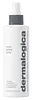 Key Ingredients
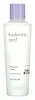
Benefits
Concerns
Ingredients Side-by-side
Water
Skin ConditioningButylene Glycol
Humectant

Aloe Barbadensis Leaf Extract
Emollient

Arginine
Masking
Lavandula Angustifolia Flower/Leaf/Stem Extract
Masking

Melissa Officinalis Leaf Extract
Skin ConditioningCitrus Limon Peel Oil
Masking



Citrus Aurantium Bergamia Fruit Oil
Masking
Cymbopogon Nardus Oil
Masking
Glycine
Buffering
Alanine
Masking
Serine
Masking
Lavandula Angustifolia Oil
Masking
Dipotassium Glycyrrhizate
Humectant
Cucumis Sativus Fruit Extract
Emollient
Arnica Montana Flower Extract
Masking
Hedera Helix Extract
AntimicrobialMalva Sylvestris Flower Extract
Skin ConditioningParietaria Officinalis Extract
EmollientSambucus Nigra Flower Extract
RefreshingTocopherol
Antioxidant




Phenylalanine
Masking
Histidine
Humectant
Valine
MaskingIsoleucine
Skin ConditioningProline
Skin Conditioning
Threonine
Sodium PCA
Humectant
Sodium Lactate
Buffering
Citric Acid
Buffering

Polyquaternium-4
Aspartic Acid
Masking
PCA
Humectant
Ethylhexylglycerin
Skin ConditioningMethyl Gluceth-20
Humectant
Polysorbate 20
Emulsifying
1,2-Hexanediol
Skin Conditioning
Caprylyl Glycol
Emollient
PEG-12 Dimethicone
Skin Conditioning
Ricinoleth-40
CleansingSodium Citrate
BufferingSodium Hydroxide
BufferingTetrasodium Glutamate Diacetate
Linalool
Perfuming
Limonene
Perfuming
Citral
Perfuming
Geraniol
Perfuming
Phenoxyethanol
Preservative
Water, Butylene Glycol, Aloe Barbadensis Leaf Extract, Arginine, Lavandula Angustifolia Flower/Leaf/Stem Extract, Melissa Officinalis Leaf Extract, Citrus Limon Peel Oil, Citrus Aurantium Bergamia Fruit Oil, Cymbopogon Nardus Oil, Glycine, Alanine, Serine, Lavandula Angustifolia Oil, Dipotassium Glycyrrhizate, Cucumis Sativus Fruit Extract, Arnica Montana Flower Extract, Hedera Helix Extract, Malva Sylvestris Flower Extract, Parietaria Officinalis Extract, Sambucus Nigra Flower Extract, Tocopherol, Phenylalanine, Histidine, Valine, Isoleucine, Proline, Threonine, Sodium PCA, Sodium Lactate, Citric Acid, Polyquaternium-4, Aspartic Acid, PCA, Ethylhexylglycerin, Methyl Gluceth-20, Polysorbate 20, 1,2-Hexanediol, Caprylyl Glycol, PEG-12 Dimethicone, Ricinoleth-40, Sodium Citrate, Sodium Hydroxide, Tetrasodium Glutamate Diacetate, Linalool, Limonene, Citral, Geraniol, Phenoxyethanol
Water
Skin ConditioningButylene Glycol
Humectant
Hydroxyethyl Acrylate/Sodium Acryloyldimethyl Taurate Copolymer
Emulsion StabilisingTrehalose
Humectant
PEG-40 Hydrogenated Castor Oil
Emulsifying
PPG-26-Buteth-26
Skin ConditioningEthylhexylglycerin
Skin ConditioningCaprylyl Glycol
Emollient
Parfum
Masking
Portulaca Oleracea Extract
Skin Conditioning
Phenoxyethanol
Preservative
Malpighia Emarginata Fruit Extract
Skin ConditioningSodium Hyaluronate
Humectant
Disodium EDTA
Vaccinium Angustifolium Fruit Extract
Skin Protecting
Linalool
Perfuming
Tromethamine
BufferingButylphenyl Methylpropional
Perfuming
Citronellol
Perfuming
Hexyl Cinnamal
Perfuming
Hibiscus Sabdariffa Flower Extract
Skin ConditioningWater, Butylene Glycol, Hydroxyethyl Acrylate/Sodium Acryloyldimethyl Taurate Copolymer, Trehalose, PEG-40 Hydrogenated Castor Oil, PPG-26-Buteth-26, Ethylhexylglycerin, Caprylyl Glycol, Parfum, Portulaca Oleracea Extract, Phenoxyethanol, Malpighia Emarginata Fruit Extract, Sodium Hyaluronate, Disodium EDTA, Vaccinium Angustifolium Fruit Extract, Linalool, Tromethamine, Butylphenyl Methylpropional, Citronellol, Hexyl Cinnamal, Hibiscus Sabdariffa Flower Extract
Reviews
Ingredients Explained
These ingredients are found in both products.
Ingredients higher up in an ingredient list are typically present in a larger amount.
Butylene Glycol (or BG) is used within cosmetic products for a few different reasons:
Overall, Butylene Glycol is a safe and well-rounded ingredient that works well with other ingredients.
Though this ingredient works well with most skin types, some people with sensitive skin may experience a reaction such as allergic rashes, closed comedones, or itchiness.
Learn more about Butylene GlycolCaprylyl Glycol is a humectant, skin conditioner, emollient, and preservative booster derived from either caprylic acid or synthetically created.
Typical use levels vary from 0.3-1% as a preservative booster and go up to 2% to condition skin.
Because it is not a free-fatty acid, this ingredient is fungal acne safe (there's nothing for Malassezia to feed on).
Learn more about Caprylyl GlycolEthylhexylglycerin is created from glycerin. It is a multitasker ingredient that:
The CIR Expert Panel found minimal skin absorption or sensitization of any kind in a safety assessment. Though this ingredient is considered well-tolerated, a small number of cases of allergic dermatitis have been published since 2002. Just be sure to patch test if you are unsure.
Industry-reported use ranges from 8% in rinse-off products and 2% in leave-on formulations.
Learn more about EthylhexylglycerinLinalool is a fragrance and helps add scent to products. It's derived from common plants such as cinnamon, mint, citrus, and lavender.
Like Limonene, this ingredient oxidizes when exposed to air. Oxidized linalool can cause allergies and skin sensitivity.
This ingredient has a scent that is floral, spicy tropical, and citrus-like.
Learn more about LinaloolPhenoxyethanol is one of the most widely used preservatives in skincare (and for good reason!).
It has a large spectrum of antimicrobial activity and especially effective bacteria, yeast, and mold while only having a weak effect on your skin's natural microbiome.
On a cellular level, it disrupts the cell membranes of microbes by poking holes that make the cell leak. This shuts down the chemical reactions the microbe needs to make energy so it can no longer survive.
Another perk of this ingredient is that it stays functional across a wide pH range (3-10).
You'll often see it paired with boosters like Ethylhexylglycerin; one study showed that a 1:9 ratio of Ethylhexylglycerin to Phenoxyethanol damages bacterial membranes as effectively as doubling the Phenoxyethanol concentration on its own.
Typical use concentrations range from 0.3-1% depending on the formula, and this ingredient is capped at 1% int the EU.
Safety-wise, the fear mongering does not hold up to the evidence. The EU's Scientific Committee on Consumer Safety and FDA consider it safe as a preservative at up to 1%, including for children of all ages.
Adverse systemic effects only showed up in animal studies at exposures roughly 200x higher than what people get from cosmetics. And despite its very widespread use, this ingredient is a rare sensitizer and allergic reactions are uncommon.
Learn more about PhenoxyethanolWater. It's the most common cosmetic ingredient of all. You'll usually see it at the top of ingredient lists, meaning that it makes up the largest part of the product.
So why is it so popular? Water most often acts as a solvent - this means that it helps dissolve other ingredients into the formulation.
You'll also recognize water as that liquid we all need to stay alive. If you see this, drink a glass of water. Remember to stay hydrated!
Learn more about Water

