
What's inside
What's inside
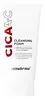 Key Ingredients
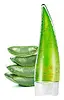
No key ingredients
Benefits
Concerns
Ingredients Side-by-side
Glycerin
Humectant


Water
Skin ConditioningSodium Cocoyl Isethionate
Cleansing
Glycol Distearate
Emollient
Potassium Cetyl Phosphate
EmulsifyingDisodium Laureth Sulfosuccinate
CleansingDisodium Cocoyl Glutamate
Cleansing
Sodium Citrate
BufferingPropanediol
Solvent
Citric Acid
Buffering


Caprylyl Glycol
Emollient
Hydroxypropyl Starch Phosphate
Betaine
Humectant
Niacinamide
Smoothing







Centella Asiatica Leaf Extract
Skin Conditioning
Disodium EDTA
Ethylhexylglycerin
Skin ConditioningMelaleuca Alternifolia Leaf Oil
Antioxidant




Eucalyptus Globulus Leaf Oil
Perfuming

Dipropylene Glycol
Humectant1,2-Hexanediol
Skin Conditioning
2,3-Butanediol
HumectantTotarol
Antioxidant
Sodium Hyaluronate
Humectant
Candida Bombicola/Glucose/Methyl Rapeseedate Ferment
AntimicrobialCapryloyl Salicylic Acid
Exfoliating
Helianthus Annuus Seed Oil
Emollient
Gluconolactone
Skin Conditioning
Glycolic Acid
Buffering
Salicylic Acid
Masking


Tromethamine
BufferingHydrogenated Lecithin
Emulsifying
Glycerin, Water, Sodium Cocoyl Isethionate, Glycol Distearate, Potassium Cetyl Phosphate, Disodium Laureth Sulfosuccinate, Disodium Cocoyl Glutamate, Sodium Citrate, Propanediol, Citric Acid, Caprylyl Glycol, Hydroxypropyl Starch Phosphate, Betaine, Niacinamide, Centella Asiatica Leaf Extract, Disodium EDTA, Ethylhexylglycerin, Melaleuca Alternifolia Leaf Oil, Eucalyptus Globulus Leaf Oil, Dipropylene Glycol, 1,2-Hexanediol, 2,3-Butanediol, Totarol, Sodium Hyaluronate, Candida Bombicola/Glucose/Methyl Rapeseedate Ferment, Capryloyl Salicylic Acid, Helianthus Annuus Seed Oil, Gluconolactone, Glycolic Acid, Salicylic Acid, Tromethamine, Hydrogenated Lecithin
Aloe Barbadensis Leaf Juice
Skin Conditioning
Water
Skin ConditioningLauryl Hydroxysultaine
CleansingMyristic Acid
Cleansing
Lauric Acid
Cleansing
Cocamidopropyl Betaine
Cleansing
Potassium Hydroxide
BufferingSodium Chloride
MaskingSodium Lauroyl Sarcosinate
CleansingBetula Platyphylla Japonica Juice
Skin Conditioning
Cucumis Sativus Extract
Skin Conditioning
Centella Asiatica Extract
Cleansing
Citrullus Lanatus Fruit Extract
Skin Conditioning
Nelumbo Nucifera Flower Extract
Skin ConditioningZea Mays Silk Extract
Skin ConditioningPalmitic Acid
Emollient
Capric Acid
Cleansing
Disodium EDTA
Phenoxyethanol
Preservative
Chlorphenesin
Antimicrobial
Caprylyl Glycol
Emollient
Ethylhexylglycerin
Skin ConditioningParfum
Masking
Aloe Barbadensis Leaf Juice, Water, Lauryl Hydroxysultaine, Myristic Acid, Lauric Acid, Cocamidopropyl Betaine, Potassium Hydroxide, Sodium Chloride, Sodium Lauroyl Sarcosinate, Betula Platyphylla Japonica Juice, Cucumis Sativus Extract, Centella Asiatica Extract, Citrullus Lanatus Fruit Extract, Nelumbo Nucifera Flower Extract, Zea Mays Silk Extract, Palmitic Acid, Capric Acid, Disodium EDTA, Phenoxyethanol, Chlorphenesin, Caprylyl Glycol, Ethylhexylglycerin, Parfum
Reviews
Ingredients Explained
These ingredients are found in both products.
Ingredients higher up in an ingredient list are typically present in a larger amount.
Caprylyl Glycol is a humectant, skin conditioner, emollient, and preservative booster derived from either caprylic acid or synthetically created.
Typical use levels vary from 0.3-1% as a preservative booster and go up to 2% to condition skin.
Because it is not a free-fatty acid or alcohol, this ingredient is fungal acne safe (there's nothing for Malassezia to feed on).
Learn more about Caprylyl GlycolDisodium EDTA is a chelating agent. It grabs onto and deactivates metal ions that sneak into your products from water, packaging, or air.
This ingredient mainly works behind the scenes and helps with:
On top of that, this ingredient can counteract the effects of hard water by binding to the minerals in it.
One thing worth knowing is that Disodium EDTA has been shown to be a mild penetration enhancer. It can help other ingredients absorb into skin more effectively which can be a double-edged sword (great for actives, but can also make the active too strong if you have sensitive skin).
Clinical patch testing showed no significant skin irritation at typical use concentrations and minimal dermal absorption.
You'll most likely see this ingredient near the end of an ingredient list. It's typically found in concentrations less than 1%.
Learn more about Disodium EDTAEthylhexylglycerin is created from glycerin. It is a multitasker ingredient that:
The CIR Expert Panel found minimal skin absorption or sensitization of any kind in a safety assessment. Though this ingredient is considered well-tolerated, a small number of cases of allergic dermatitis have been published since 2002. Just be sure to patch test if you are unsure.
Industry-reported use ranges from 8% in rinse-off products and 2% in leave-on formulations.
Learn more about EthylhexylglycerinWater. It's the most common cosmetic ingredient of all. You'll usually see it at the top of ingredient lists, meaning that it makes up the largest part of the product.
So why is it so popular? Water most often acts as a solvent - this means that it helps dissolve other ingredients into the formulation.
You'll also recognize water as that liquid we all need to stay alive. If you see this, drink a glass of water. Remember to stay hydrated!
Learn more about Water
