Derma E Vitamin C 10% Multi-Acid Radiance Liquid Peel Versus Cos De BAHA 2% Hydroquinone + Arbutin + Niacinamide 4% Serum
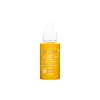
This wash off mask is formulated around Lactic Acid to exfoliate and smooth skin.
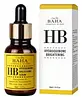
This brightening serum is formulated around Hydroquinone and Arbutin to fade the look of dark spots and brighten dull-looking skin.


What's inside
What's inside
 Key Ingredients
Benefits
Concerns
Ingredients Side-by-side
Water
Skin ConditioningLactic Acid
Buffering










Potassium Hydroxide
BufferingGlycolic Acid
Buffering

Mandelic Acid
Antimicrobial
Kojic Acid
Antioxidant

Salix Alba Bark Extract
Astringent
Bromelain
Skin Conditioning
Ascorbic Acid
Antioxidant
Panthenol
Skin Conditioning


Glycyrrhiza Glabra Root Extract
Bleaching
Hydroxyethylcellulose
Emulsion StabilisingNiacinamide
Smoothing
Centella Asiatica Extract
Cleansing
Gluconolactone
Chelating
Aloe Barbadensis Leaf Juice
Skin Conditioning
Hyaluronic Acid
Humectant
Glycerin
Humectant
Maltodextrin
Absorbent
Xanthan Gum
EmulsifyingPhenoxyethanol
Preservative
Water, Lactic Acid, Potassium Hydroxide, Glycolic Acid, Mandelic Acid, Kojic Acid, Salix Alba Bark Extract, Bromelain, Ascorbic Acid, Panthenol, Glycyrrhiza Glabra Root Extract, Hydroxyethylcellulose, Niacinamide, Centella Asiatica Extract, Gluconolactone, Aloe Barbadensis Leaf Juice, Hyaluronic Acid, Glycerin, Maltodextrin, Xanthan Gum, Phenoxyethanol
Aloe Barbadensis Leaf Extract
Emollient
Propanediol
Solvent
Arbutin
Antioxidant
Niacinamide
Smoothing
1,2-Hexanediol
Skin Conditioning
Hydroquinone
Stabilising
Citric Acid
Buffering
Sodium Citrate
BufferingSodium Hyaluronate
Humectant
Salicylic Acid
Masking

Kojic Acid
Antioxidant
Lactic Acid
Buffering
Hamamelis Virginiana Leaf Extract
Skin Conditioning
Rosmarinus Officinalis Extract
AntimicrobialEucalyptus Globulus Leaf
Skin ConditioningThymus Vulgaris Extract
Perfuming
Aspalathus Linearis Extract
Skin ConditioningDisodium EDTA
ChelatingAloe Barbadensis Leaf Extract, Propanediol, Arbutin, Niacinamide, 1,2-Hexanediol, Hydroquinone, Citric Acid, Sodium Citrate, Sodium Hyaluronate, Salicylic Acid, Kojic Acid, Lactic Acid, Hamamelis Virginiana Leaf Extract, Rosmarinus Officinalis Extract, Eucalyptus Globulus Leaf, Thymus Vulgaris Extract, Aspalathus Linearis Extract, Disodium EDTA
Reviews
Ingredients Explained
These ingredients are found in both products.
Ingredients higher up in an ingredient list are typically present in a larger amount.
Kojic Acid is a naturally occurring organic acid that is produced during the fermentation of certain fungi. It is one of the most well-studied brightening ingredients (tyrosinase inhibitors) out there.
That's why you'll see Kojic Acid in products that target dark spots, hyperpigmentation, and general uneven skin tone. It also pairs well with other brightening actives like Alpha Arbutin, Glycolic Acid, and Vitamin C derivatives.
By latching onto the copper that the enzyme tyrosinase needs to function, Kojic Acid prevents less pigment from being made. It's so well-established that researchers regularly use it as the go-to benchmark when testing new brightening ingredients.
Some other perks include documented antioxidant and antimicrobial properties. The The CIR (Cosmetic Ingredient Review) Expert Panel concluded Kojic Acid is safe for use in cosmetic products at concentrations up to 1% and the EU's SCCS (Scientific Committee on Consumer Safety) considers it safe as a skin lightening agent at concentrations up to 0.7%.
One thing to know about Kojic Acid is that stability is its weak spot; it is sensitive to light, heat, and air exposure and will oxidize/turn brown in formulations. Its derivative, Kojic Dipalmitate, was developed as a stable alternative.
Some individuals have reported contact sensitization so be sure to patch test if you have reactive or sensitive skin.
Fun fact: It was first discovered in 1907 and naturally occurs in the production of sake, soy sauce, and miso.
Learn more about Kojic AcidLactic Acid is another well-loved alpha hydroxy acid (AHA). It is gentler than glycolic acid but still highly effective.
Its main role is to exfoliate the surface of the skin by loosening the “glue” that holds dead skin cells together. Shedding those old cells leads to smoother, softer, and more even-toned skin.
Because lactic acid molecules are larger than glycolic acid, they don’t penetrate as deeply. This means they’re less likely to sting or irritate, making it a great choice for beginners or those with sensitive skin.
Like glycolic acid, it can:
Lactic acid also acts as a humectant (like hyaluronic acid). It can draw water into the skin to improve hydration and also plays a role in the skin's natural moisturizing factor (NMF) in the form of sodium lactate.
Studies show it can boost ceramide production to strengthen the skin barrier and even help balance the skin’s microbiome.
To get results, choose products with a pH between 3-4.
Lower strengths (5-12%) focus on surface exfoliation; higher strengths (12% and up) can reach deeper in the dermis (deeper, supportive layer) to improve skin texture and firmness over time.
Though it was originally derived from milk, most modern lactic acid used in skincare is vegan. It is made through non-dairy fermentation to create a bio-identical and stable form suitable for all formulations.
When lactic acid shows up near the end of an ingredient list, it usually means the brand added just a tiny amount to adjust the product’s pH.
Legend has it that Cleopatra used to bathe in sour milk to help reduce wrinkles.
Lactic acid is truly a gentle multitasker: it exfoliates, hydrates, strengthens, and brightens. It's a great ingredient for giving your skin a smooth, glowing, and healthy look without the harshness of stronger acids.
Read more about some other popular AHA's here:
Learn more about Lactic AcidNiacinamide is a multitasking form of vitamin B3 that strengthens the skin barrier, reduces pores and dark spots, regulates oil, and improves signs of aging.
And the best part? It's gentle and well-tolerated by most skin types, including sensitive and reactive skin.
You might have heard of "niacin flush", or the reddening of skin that causes itchiness. Niacinamide has not been found to cause this.
In very rare cases, some individuals may not be able to tolerate niacinamide at all or experience an allergic reaction to it.
If you are experiencing flaking, irritation, and dryness with this ingredient, be sure to double check all your products as this ingredient can be found in all categories of skincare.
When incorporating niacinamide into your routine, look out for concentration amounts. Typically, 5% niacinamide provides benefits such as fading dark spots. However, if you have sensitive skin, it is better to begin with a smaller concentration.
When you apply niacinamide to your skin, your body converts it into nicotinamide adenine dinucleotide (NAD). NAD is an essential coenzyme that is already found in your cells as "fuel" and powers countless biological processes.
In your skin, NAD helps repair cell damage, produce new healthy cells, support collagen production, strengthen the skin barrier, and fight environmental stressors (like UV and pollution).
Our natural NAD levels start to decline with age, leading to slower skin repair, visible aging, and a weaker skin barrier. By providing your skin niacinamide, you're recharging your skin's NAD levels. This leads to stronger, healthier, and younger looking skin.
Another name for vitamin B3 is nicotinamide. This vitamin is water-soluble and our bodies don't store it. We obtain Vitamin B3 from either food or skincare. Meat, fish, wheat, yeast, and leafy greens contain vitamin B3.
The type of niacinamide used in skincare is synthetically created.
Learn more about Niacinamide

