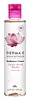
This smoothing toner is formulated around Glycolic Acid and Sodium Hyaluronate to refine skin texture and brighten dull-looking skin.
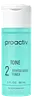
This smoothing toner is formulated around Glycolic Acid to refine skin texture and brighten dull-looking skin.

What's inside
What's inside
 Key Ingredients
Benefits
Concerns
Ingredients Side-by-side
Water
Skin ConditioningGlycolic Acid
Buffering











Sodium Hyaluronate
Humectant



Polysorbate 20
Emulsifying
Sodium Hydroxide
BufferingPinus Pinaster Bark Extract
Antioxidant
Panthenol
Skin Conditioning
Aspalathus Linearis Leaf Extract
Skin ConditioningRosa Canina Fruit Extract
Astringent
Saccharide Isomerate
Humectant
Aloe Barbadensis Extract
Skin Conditioning
Allantoin
Skin Conditioning
Chamomilla Recutita Flower Extract
Masking
Cucumis Sativus Fruit Extract
Emollient
Phenoxyethanol
Preservative
Ethylhexylglycerin
Skin ConditioningParfum
Masking


Water, Glycolic Acid, Sodium Hyaluronate, Polysorbate 20, Sodium Hydroxide, Pinus Pinaster Bark Extract, Panthenol, Aspalathus Linearis Leaf Extract, Rosa Canina Fruit Extract, Saccharide Isomerate, Aloe Barbadensis Extract, Allantoin, Chamomilla Recutita Flower Extract, Cucumis Sativus Fruit Extract, Phenoxyethanol, Ethylhexylglycerin, Parfum
Water
Skin ConditioningGlycolic Acid
Buffering
Sodium Hydroxide
BufferingPolysorbate 20
Emulsifying
Hamamelis Virginiana Leaf Extract
Skin Conditioning
Anthemis Nobilis Flower Extract
Masking
Aloe Barbadensis Leaf Juice
Skin Conditioning
Rosa Canina Fruit Extract
Astringent
Sodium PCA
Humectant
Glycerin
Humectant
Panthenol
Skin Conditioning
Allantoin
Skin Conditioning
Benzophenone-4
UV Absorber
Hydroxyethylcellulose
Emulsion StabilisingTetrasodium EDTA
ChelatingImidazolidinyl Urea
Preservative
Methylparaben
Preservative

Propylparaben
Preservative
Parfum
Masking
Blue 1 Lake
Cosmetic ColorantCI 19140
Cosmetic ColorantWater, Glycolic Acid, Sodium Hydroxide, Polysorbate 20, Hamamelis Virginiana Leaf Extract, Anthemis Nobilis Flower Extract, Aloe Barbadensis Leaf Juice, Rosa Canina Fruit Extract, Sodium PCA, Glycerin, Panthenol, Allantoin, Benzophenone-4, Hydroxyethylcellulose, Tetrasodium EDTA, Imidazolidinyl Urea, Methylparaben, Propylparaben, Parfum, Blue 1 Lake, CI 19140
Ingredients Explained
These ingredients are found in both products.
Ingredients higher up in an ingredient list are typically present in a larger amount.
Allantoin is a soothing ingredient known for its protective and moisturizing properties; it's basically a quiet workhorse ingredient you can find in a huge range of cosmetics.
Though it can be derived from the comfrey plant, allantoin is produced synthetically for cosmetic products to ensure purity.
Research shows it can encourage your skin cells to turn over and renew by stimulating keratinocyte and fibroblast proliferation.
It also has mild keratolytic properties to help loosen and shed dead skin cells without being harsh.
Studies also suggest allantoin can help calm inflammation by dialing down some of the chemical signals your skin sends out when it is irritated.
This ingredient is typically used in the 0.1-0.5% range, and the FDA recognizes it as a skin protectant in OTC products up to 2%.
Overall, allantoin is a wonderful addition to most routines; it is stable across a wide pH range (~4-8), works well with other ingredients, and is considered non-sensitizing/non-irritating.
Fun fact: Allantoin is naturally occurring in comfrey root, beets, chamomile, and wheat sprouts. Our bodies even produce it as a byproduct of uric acid metabolism.
Learn more about AllantoinGlycolic Acid is arguably the most famous alpha hydroxy acid (AHA) with tons of research backing its benefits.
It is found naturally in sugar cane but the form used in skincare is usually synthetic for purity and stability.
Glycolic acid removes the top layer of dead skin cells to allow newer and fresher ones to emerge.
AHAs work by breaking down the structural “glue” that holds old skin cells in place. When that buildup is gone, your skin can renew itself more efficiently.
Research also shows glycolic acid stimulates collagen production, helping to firm and thicken the skin over time. This is one of its biggest advantages over other AHAs.
Overall, glycolic acid helps with:
Fun fact: Glycolic acid boosts skin hydration by helping it produce molecules that increase hyaluronic acid naturally.
To work best, glycolic acid products should have a pH between 3-4 (that’s where exfoliation is most effective but still gentle on skin).
The pH and concentration of a product are key to its effectiveness:
It is normal to feel a slight stinging sensation when using glycolic acid. This usually fades as your skin adjusts.
Because glycolic acid has the smallest molecular size in the AHA family, it can penetrate deeper, which enhances its effectiveness but also makes it more likely to irritate sensitive skin.
If your skin is very sensitive or prone to rosacea, glycolic acid may be too strong; in that case, try milder options like lactic acid or a PHA instead.
Recent studies suggest glycolic acid might even help protect against UV damage. But don’t skip sunscreen! Freshly exfoliated skin is more sensitive to the sun.
Glycolic acid is a skincare superstar. It smooths, brightens, hydrates, and firms the skin. Unless you’re highly sensitive, it’s well worth adding to your routine.
Read more about some other popular AHA's here:
Learn more about Glycolic AcidPanthenol is a common ingredient that helps hydrate and soothe the skin. It is found naturally in our skin and hair.
There are two forms of panthenol: D and L.
D-panthenol is also known as dexpanthenol. Most cosmetics use dexpanthenol or a mixture of D and L-panthenol.
Panthenol is famous due to its ability to go deeper into the skin's layers. Using this ingredient has numerous pros (and no cons):
Like hyaluronic acid, panthenol is a humectant. Humectants are able to bind and hold large amounts of water to keep skin hydrated.
This ingredient works well for wound healing. It works by increasing tissue in the wound and helps close open wounds.
Once oxidized, panthenol converts to pantothenic acid. Panthothenic acid is found in all living cells.
This ingredient is also referred to as pro-vitamin B5.
Learn more about PanthenolParfum is a catch-all term for an ingredient or more that is used to give a scent to products.
Also called "fragrance", this ingredient can be a blend of hundreds of chemicals or plant oils. This means every product with "fragrance" or "parfum" in the ingredients list is a different mixture.
For instance, Habanolide is a proprietary trade name for a specific aroma chemical. When used as a fragrance ingredient in cosmetics, most aroma chemicals fall under the broad labeling category of “FRAGRANCE” or “PARFUM” according to EU and US regulations.
The term 'parfum' or 'fragrance' is not regulated in many countries. In many cases, it is up to the brand to define this term.
For instance, many brands choose to label themselves as "fragrance-free" because they are not using synthetic fragrances. However, their products may still contain ingredients such as essential oils that are considered a fragrance by INCI standards.
One example is Calendula flower extract. Calendula is an essential oil that still imparts a scent or 'fragrance'.
Depending on the blend, the ingredients in the mixture can cause allergies and sensitivities on the skin. Some ingredients that are known EU allergens include linalool and citronellol.
Parfum can also be used to mask or cover an unpleasant scent.
The bottom line is: not all fragrances/parfum/ingredients are created equally. If you are worried about fragrances, we recommend taking a closer look at an ingredient. And of course, we always recommend speaking with a professional.
Learn more about ParfumPolysorbate 20 is a gentle, water-soluble emulsifier and mild surfactant. It stops oil and water from separating to keep your formulas blended and stable.
It also acts as a mild penetration enhancer by helping active ingredients absorb slightly better.
The common safety discussion around this ingredient involves a manufacturing byproduct called 1,4-dioxane.
Trace amounts can form during production but the EU's Scientific Committee on Consumer Safety has concluded that levels at/below 10 ppm in finished products are safe (commercial products consistently fall within acceptable margins).
True allergic reactions are uncommon and the CIR Expert Panel has confirmed this ingredient to be safe as used in cosmetics.
Because it is derived from lauric acid, it may not be fungal acne safe.
Learn more about Polysorbate 20Rosa Canina Fruit Extract is from Rosehip. Rosehips are a fruit from a wild rose bush native to Eurasia and Africa.
Rosehip contains Vitamin C, Vitamin E, fatty acids and linolenic acids that hydrate skin. Having hydrated skin helps reduce the appearance of fine-lines and wrinkles.
Vitamins C and E are potent antioxidants and may help with anti-aging. The fatty acids are emollients that help soften and hydrate your skin.
Another potent vitamin found in rosehip is Vitamin A, or retinol. Retinol encourages collagen production in the skin.
Rosehip extract may help with brightening the skin. Several components, such as beta-carotene, are able to reduce pigmentation caused by sun damage.
Learn more about Rosa Canina Fruit ExtractSodium Hydroxide is also known as lye or caustic soda. It is used to adjust the pH of products; many ingredients require a specific pH to be effective.
In small amounts, sodium hydroxide is considered safe to use. However, large amounts may cause chemical burns due to its high alkaline.
Your skin has a natural pH and acid mantle. This acid mantle helps prevent harmful bacteria from breaking through. The acid mantle also helps keep your skin hydrated.
"Alkaline" refers to a high pH level. A low pH level would be considered acidic.
Learn more about Sodium HydroxideWater. It's the most common cosmetic ingredient of all. You'll usually see it at the top of ingredient lists, meaning that it makes up the largest part of the product.
So why is it so popular? Water most often acts as a solvent - this means that it helps dissolve other ingredients into the formulation.
You'll also recognize water as that liquid we all need to stay alive. If you see this, drink a glass of water. Remember to stay hydrated!
Learn more about Water

