
What's inside
What's inside
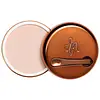 Key Ingredients
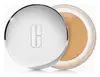
Benefits
Concerns
Ingredients Side-by-side
Magnesium Carbonate
AbsorbentIsohexadecane
EmollientC13-15 Alkane
SolventIsododecane
EmollientDimethicone
Emollient

Squalane
Emollient


Synthetic Wax
Abrasive

Synthetic Candelilla Wax
EmollientKaolin
Abrasive


Tocopheryl Acetate
Antioxidant


Linum Usitatissimum Seed Oil
Perfuming





Zingiber Officinale Root Oil
Masking


Hydrolyzed Sodium Hyaluronate
Skin Conditioning
Glyceryl Behenate
Emollient
Limnanthes Alba Seed Oil
Skin Conditioning
Cera Microcristallina
Emulsion StabilisingPolyethylene
Abrasive
Stearoxy Dimethicone
Emollient
CI 77891
Cosmetic ColorantCI 77491
Cosmetic ColorantCI 77492
Cosmetic ColorantCI 77499
Cosmetic ColorantCI 19140
Cosmetic ColorantMagnesium Carbonate, Isohexadecane, C13-15 Alkane, Isododecane, Dimethicone, Squalane, Synthetic Wax, Synthetic Candelilla Wax, Kaolin, Tocopheryl Acetate, Linum Usitatissimum Seed Oil, Zingiber Officinale Root Oil, Hydrolyzed Sodium Hyaluronate, Glyceryl Behenate, Limnanthes Alba Seed Oil, Cera Microcristallina, Polyethylene, Stearoxy Dimethicone, CI 77891, CI 77491, CI 77492, CI 77499, CI 19140
Water
Skin ConditioningDimethicone
Emollient
Methyl Trimethicone
Skin Conditioning
Phenyl Trimethicone
Skin Conditioning
Butylene Glycol
Humectant
Stearyl Palmitate
EmulsifyingTrimethylsiloxysilicate
Emollient
Ceresin
Emulsion StabilisingGlycerin
Humectant
Lauryl PEG-9 Polydimethylsiloxyethyl Dimethicone
Skin Conditioning
PEG-10 Dimethicone
Skin Conditioning
Cera Microcristallina
Emulsion StabilisingSilica
Abrasive
Stearyl Behenate
Emollient
Sodium Hyaluronate
Humectant

Tocopherol
Antioxidant
Tocopheryl Acetate
Antioxidant
Helianthus Annuus Seed Extract
Skin Conditioning
Scutellaria Baicalensis Root Extract
Astringent
Phyllostachys Edulis Leaf Extract
EmollientHordeum Vulgare Extract
EmollientCucumis Sativus Fruit Extract
Emollient
Magnolia Officinalis Bark Extract
Antimicrobial
Caffeine
Skin Conditioning
Propylene Glycol Dicaprate
EmollientMethicone
Emollient
Glycyrrhetinic Acid
Skin Conditioning
Triethyl Citrate
Masking
Disteardimonium Hectorite
StabilisingLaureth-7
EmulsifyingLecithin
Emollient
1,2-Hexanediol
Skin Conditioning
Dimethicone/PEG-10/15 Crosspolymer
Sodium Chloride
MaskingDipropylene Glycol
HumectantSodium Citrate
BufferingDisodium EDTA
ChelatingPhenoxyethanol
Preservative
Mica
Cosmetic ColorantCI 77891
Cosmetic ColorantCI 77491
Cosmetic ColorantCI 77492
Cosmetic ColorantCI 77499
Cosmetic ColorantWater, Dimethicone, Methyl Trimethicone, Phenyl Trimethicone, Butylene Glycol, Stearyl Palmitate, Trimethylsiloxysilicate, Ceresin, Glycerin, Lauryl PEG-9 Polydimethylsiloxyethyl Dimethicone, PEG-10 Dimethicone, Cera Microcristallina, Silica, Stearyl Behenate, Sodium Hyaluronate, Tocopherol, Tocopheryl Acetate, Helianthus Annuus Seed Extract, Scutellaria Baicalensis Root Extract, Phyllostachys Edulis Leaf Extract, Hordeum Vulgare Extract, Cucumis Sativus Fruit Extract, Magnolia Officinalis Bark Extract, Caffeine, Propylene Glycol Dicaprate, Methicone, Glycyrrhetinic Acid, Triethyl Citrate, Disteardimonium Hectorite, Laureth-7, Lecithin, 1,2-Hexanediol, Dimethicone/PEG-10/15 Crosspolymer, Sodium Chloride, Dipropylene Glycol, Sodium Citrate, Disodium EDTA, Phenoxyethanol, Mica, CI 77891, CI 77491, CI 77492, CI 77499
Reviews
Ingredients Explained
These ingredients are found in both products.
Ingredients higher up in an ingredient list are typically present in a larger amount.
Cera Microcristallina, aka microcrystalline wax, is a petroleum-derived wax that helps thicken texture and stabilize the oils in formulas.
It also has mild occlusive properties that creates a film on skin to slow down water loss.
The CIR Expert Panel has concluded this ingredient to be safe as used in cosmetics.
This ingredient is refined to a cosmetic grade with high purity. It is chemically inert, stable, and doesn't clog pores (petroleum has a comedogenic rating of 0).
Malassezia feeds on fatty acids roughly in the C11-24 range and this ingredient contains none of those. Since there's no plausible food source for it here, this ingredient is fungal acne safe.
Learn more about Cera MicrocristallinaCi 77491 is also hydrated iron III oxide. It's sole purpose is to give a red/pink hue to products.
Iron III oxides are classified as inorganic chemicals for coloring.
Synthetically created Ci 77491 is considered safer than those naturally found. This is because the synthetically created version may contain less impurities. Iron oxides are generally non-toxic and non-allergenic.
Learn more about CI 77491CI 77492 is also hydrated iron III oxide. It's sole purpose is to give a yellow hue to products.
Iron III oxides are classified as inorganic chemicals for coloring.
Synthetically created CI 77492 is considered safer than those naturally found. This is because the synthetically created version may contain less impurities. Iron oxides are generally non-toxic and non-allergenic.
Learn more about CI 77492Ci 77499 is also hydrated iron III oxide. It is created from mixing red and black iron oxides. This helps give shades of darkness to a product.
Iron III oxides are classified as inorganic chemicals for coloring.
Ci 77891 is a white pigment from Titanium dioxide. It is naturally found in minerals such as rutile and ilmenite.
It's main function is to add a white color to cosmetics. It can also be mixed with other colors to create different shades.
Ci 77891 is commonly found in sunscreens due to its ability to block UV rays.
Learn more about CI 77891Dimethicone is a type of synthetic silicone created from natural materials such as quartz. It is also known as polydimethylsiloxane.
What it does:
Dimethicone comes in different viscosities:
Depending on the viscosity, dimethicone has different properties.
Ingredients lists don't always show which type is used, so we recommend reaching out to the brand if you have questions about the viscosity.
This ingredient is unlikely to cause irritation because it does not get absorbed into skin. However, people with silicone allergies should be careful about using this ingredient.
Note: Dimethicone may contribute to pilling. This is because it is not oil or water soluble, so pilling may occur when layered with products. When mixed with heavy oils in a formula, the outcome is also quite greasy.
Learn more about DimethiconeTocopheryl Acetate is a stable, shelf-friendly form of vitamin E.
Formulators love it because plain vitamin E oxidizes quickly once it hits air. This acetate version stays stable and resists going off, helping to extend a product's shelf life.
It's actually inactive on its own and works like a slow-release "storage" form; the enzymes in your skin called esterases gradually convert it into active vitamin E over time.
One in vivo study showed 5% of the acetate in the living layer of the epidermis converted to vitamin E after 5 days of application. This study also found the skin gained protection against UV damage even though the conversion was slow and small.
Once converted, vitamin E acts as a skin's main fat-soluble antioxidant that fights free radicals to protect skin from damage.
Topical vitamin E generally boosts the skin's photoprotection, and it reduced UV-damage in animal models.
This ingredient has some brightening potential but it's more of a prevention ingredient than spot-fader. Cell studies show it can slow down melanin production but it's worth noting that it's not the most powerful brightener out there.
Overall, it has a pretty solid safety profile and has been found to be non-irritating and non-comedogenic. Allergic reactions may happen but stay rare due to how widely the ingredient gets used.
The concentration will vary depending on the formula; industry data shows 0.1% in baby lotions, 3% in lipsticks, and 5% in foot powders. You can also find this ingredient at 100% in a pure vitamin E oil.
Most leave-on skincare keeps it at the lower end, often between 0.5-1%.
Learn more about Tocopheryl Acetate

