This oil-based makeup remover is made to dissolve makeup, sunscreen, and daily buildup.
This oil-based makeup remover is made to dissolve makeup, sunscreen, and daily buildup.

What's inside
What's inside
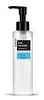 Key Ingredients
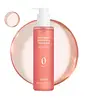
Benefits
Concerns
Ingredients Side-by-side
Cetyl Ethylhexanoate
EmollientCanola Oil
Emollient





Caprylic/Capric Triglyceride
Masking


PEG-20 Glyceryl Triisostearate
Emollient
PEG-8 Isostearate
Emulsifying
1,2-Hexanediol
Skin Conditioning
Rosa Canina Fruit Oil
Emollient
Camellia Japonica Seed Oil
Emollient
Citrus Limon Fruit Extract
Masking
Sodium Hyaluronate
Humectant


Camellia Sinensis Leaf Extract
Antimicrobial




Melaleuca Alternifolia Leaf Extract
Perfuming
Malpighia Emarginata Fruit Extract
Skin ConditioningEuterpe Oleracea Fruit Extract
Vaccinium Angustifolium Fruit Extract
Skin Protecting
Morus Alba Fruit Extract
Antioxidant
Vitis Vinifera Fruit Extract
Skin ConditioningPrunus Avium Fruit Extract
Skin ConditioningAloe Barbadensis Leaf Extract
Emollient
Leontopodium Alpinum Extract
Skin ConditioningEthylhexylglycerin
Skin ConditioningPyrus Communis Fruit Extract
Skin ConditioningRosa Damascena Flower Water
Masking
Iris Florentina Root Extract
MaskingCucumis Melo Fruit Extract
Skin ConditioningHedera Helix Leaf/Stem Extract
AntimicrobialCetyl Ethylhexanoate, Canola Oil, Caprylic/Capric Triglyceride, PEG-20 Glyceryl Triisostearate, PEG-8 Isostearate, 1,2-Hexanediol, Rosa Canina Fruit Oil, Camellia Japonica Seed Oil, Citrus Limon Fruit Extract, Sodium Hyaluronate, Camellia Sinensis Leaf Extract, Melaleuca Alternifolia Leaf Extract, Malpighia Emarginata Fruit Extract, Euterpe Oleracea Fruit Extract, Vaccinium Angustifolium Fruit Extract, Morus Alba Fruit Extract, Vitis Vinifera Fruit Extract, Prunus Avium Fruit Extract, Aloe Barbadensis Leaf Extract, Leontopodium Alpinum Extract, Ethylhexylglycerin, Pyrus Communis Fruit Extract, Rosa Damascena Flower Water, Iris Florentina Root Extract, Cucumis Melo Fruit Extract, Hedera Helix Leaf/Stem Extract
Zea Mays Oil
Emulsifying
Ethylhexyl Palmitate
Emollient
Persea Gratissima Oil
Skin Conditioning
Helianthus Annuus Seed Oil
Emollient
Olea Europaea Fruit Oil
Masking
Simmondsia Chinensis Seed Oil
Emollient
Rosa Canina Fruit Oil
Emollient
Tocopherol
Antioxidant

Camellia Japonica Seed Oil
Emollient
Panax Ginseng Seed Oil
Emollient
Sorbeth-30 Tetraoleate
Emulsifying
Pogostemon Cablin Leaf Oil
Masking
Melia Azadirachta Extract
Skin ConditioningMoringa Oleifera Seed Oil
Emollient
Argania Spinosa Kernel Oil
Emollient
Squalane
Emollient
Hippophae Rhamnoides Oil
Emollient
Bisabolol
Antioxidant
Zea Mays Oil, Ethylhexyl Palmitate, Persea Gratissima Oil, Helianthus Annuus Seed Oil, Olea Europaea Fruit Oil, Simmondsia Chinensis Seed Oil, Rosa Canina Fruit Oil, Tocopherol, Camellia Japonica Seed Oil, Panax Ginseng Seed Oil, Sorbeth-30 Tetraoleate, Pogostemon Cablin Leaf Oil, Melia Azadirachta Extract, Moringa Oleifera Seed Oil, Argania Spinosa Kernel Oil, Squalane, Hippophae Rhamnoides Oil, Bisabolol
Reviews
Ingredients Explained
These ingredients are found in both products.
Ingredients higher up in an ingredient list are typically present in a larger amount.
This ingredient is also known as Tsubaki oil, or the fixed oil from the seeds of the Japanese camellia.
It's basically a fatty acid delivery system (~75-85% oleic acid) plus some minor extras like squalene, tocopherols, and phytosterols.
That profile makes it a classic emollient; it works by hanging out with the skin's surface lipids, softens, and slows down water loss.
The most cited study on it was done on skin cells in a dish where this oil got them to make more of the building blocks for collagen while also slowing down the enzyme that breaks collagen down. Researchers tested this on human skin too; it didn't cause irritation and helped skin hold onto moisture better.
Another study done on cells and mice found this oil quieted down some of the body's inflammation signals.
These studies are still small, early, and not done on humans, so it's best to think of this ingredient as a great supporting ingredient for the rest of your routine and not the main active.
Concentrations can range from 1-5% in serums to 100% as a single face oil (how it's most traditionally used).
Because this ingredient is a triglyceride of long-chain fatty acids, this ingredient may not be Malassezia safe.
Allergies to this protein are quite rare as the refined seed oil contains very little residual protein. Human irritation testing also came back clean. But it is a plant and as with any botanical ingredient, contact allergy is possible.
Learn more about Camellia Japonica Seed OilRosa Canina Fruit Oil is a non-fragrant plant oil that has earned its skincare reputation through chemistry.
It's dominated by fatty acids like linoleic acid (~35-55%), alpha-linolenic acid (~17-27%), and oleic acid (~14-22%). This is the exact profile that supports skin barrier, locks in hydration, and calms inflammation.
A 2024 review found evidence for the Rosa canina species supports its use for scarring, hyperpigmentation, wrinkles, and atopic dermatitis; this was mostly credited to its vitamin C content and fatty acid composition as the primary active mechanisms.
You might see this ingredient marketed as a "natural retinol". Some rosehip seed oils contains traces of all-trans-retinoic acid but these trace amounts are far below biologically active levels.
The Cosmetic Ingredient Review Panel has deemed this ingredient safe and it's well-tolerated.
Fungal acne: The fatty acids of this oil fall into the C11-24 range that Malassezia yeast can metabolize, so this ingredient may not be fungal acne safe.
Learn more about Rosa Canina Fruit Oil

