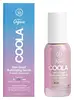
This hybrid sunscreen covers the full UV range, though its SPF isn't confirmed on file yet.
This hybrid sunscreen covers the full UV range and blocks ~97% of UVB at SPF 30.

What's inside
What's inside
 Key Ingredients
Benefits
Concerns
Ingredients Side-by-side
Butyl Methoxydibenzoylmethane 3%
UV Absorber
Ethylhexyl Salicylate 4%
UV Absorber
Octocrylene 8%
UV Absorber

Aloe Barbadensis Leaf Juice
Skin Conditioning


Butyloctyl Salicylate
Skin Conditioning
Glycerin
Humectant

Ammonium Acryloyldimethyltaurate/Vp Copolymer
CI 77163
Cosmetic Colorant
Lactobacillus Ferment
Skin Conditioning
Jasminum Sambac Leaf Cell Extract
Masking
Theobroma Cacao Seed Extract
Antioxidant
Schinus Molle Extract
Skin ProtectingWater
Skin ConditioningTitanium Dioxide
Cosmetic Colorant
Ethyl Ferulate
Antioxidant
Tropolone
Skin ConditioningMica
Cosmetic ColorantHydroxyacetophenone
Antioxidant
Propanediol
Solvent
Butylene Glycol
Humectant
Sodium Stearoyl Glutamate
Cleansing1,2-Hexanediol
Skin Conditioning
Caprylyl Glycol
Emollient
Ethylhexyl Hydroxystearate
Emollient

Maltodextrin
Absorbent
Sodium Phytate
ChelatingParfum
Masking
Butyl Methoxydibenzoylmethane 3%, Ethylhexyl Salicylate 4%, Octocrylene 8%, Aloe Barbadensis Leaf Juice, Butyloctyl Salicylate, Glycerin, Ammonium Acryloyldimethyltaurate/Vp Copolymer, CI 77163, Lactobacillus Ferment, Jasminum Sambac Leaf Cell Extract, Theobroma Cacao Seed Extract, Schinus Molle Extract, Water, Titanium Dioxide, Ethyl Ferulate, Tropolone, Mica, Hydroxyacetophenone, Propanediol, Butylene Glycol, Sodium Stearoyl Glutamate, 1,2-Hexanediol, Caprylyl Glycol, Ethylhexyl Hydroxystearate, Maltodextrin, Sodium Phytate, Parfum
Zinc Oxide 14.7%
Cosmetic Colorant
Aloe Barbadensis Leaf Juice
Skin Conditioning
Caprylic/Capric Triglyceride
Masking
Glycerin
Humectant
Glyceryl Stearate Citrate
Emollient
Niacinamide
Smoothing






Butylene Glycol
Humectant
Butyloctyl Salicylate
Skin Conditioning
Ethylhexyl Methoxycrylene
Skin Conditioning
Hydroxyethyl Acrylate/Sodium Acryloyldimethyl Taurate Copolymer
Emulsion StabilisingWater
Skin ConditioningJasminum Sambac Leaf Cell Extract
Masking
Theobroma Cacao Seed Extract
Antioxidant
Centella Asiatica Leaf Extract
Skin Conditioning
Tropolone
Skin ConditioningSchinus Molle Extract
Skin ProtectingIsostearic Acid
Cleansing
Citric Acid
Buffering
Polyhydroxystearic Acid
Emulsifying
Propanediol
Solvent
Capryloyl Glycerin/Sebacic Acid Copolymer
Skin ConditioningIsoamyl Laurate
Emollient
1,2-Hexanediol
Skin Conditioning
Caprylyl Glycol
Emollient
Tocopheryl Acetate
Antioxidant
Sodium Phytate
ChelatingZinc Oxide 14.7%, Aloe Barbadensis Leaf Juice, Caprylic/Capric Triglyceride, Glycerin, Glyceryl Stearate Citrate, Niacinamide, Butylene Glycol, Butyloctyl Salicylate, Ethylhexyl Methoxycrylene, Hydroxyethyl Acrylate/Sodium Acryloyldimethyl Taurate Copolymer, Water, Jasminum Sambac Leaf Cell Extract, Theobroma Cacao Seed Extract, Centella Asiatica Leaf Extract, Tropolone, Schinus Molle Extract, Isostearic Acid, Citric Acid, Polyhydroxystearic Acid, Propanediol, Capryloyl Glycerin/Sebacic Acid Copolymer, Isoamyl Laurate, 1,2-Hexanediol, Caprylyl Glycol, Tocopheryl Acetate, Sodium Phytate
Reviews
Ingredients Explained
These ingredients are found in both products.
Ingredients higher up in an ingredient list are typically present in a larger amount.
1,2-Hexanediol is a synthetic liquid and another multi-functional powerhouse.
It is a:
- Humectant, drawing moisture into the skin
- Emollient, helping to soften skin
- Solvent, dispersing and stabilizing formulas
- Preservative booster, enhancing the antimicrobial activity of other preservatives
Aloe Barbadensis Leaf Juice is the filtered, stabilized liquid pressed from the inner gel of the aloe vera leaf.
In cosmetics, it shows up as either soothing active or a water-replacement base. It is roughly 98-99% water and the last 1-2% is an interesting mix of polysaccharides, amino acids, vitamins, minerals, and enzymes.
The polysaccharides do most of the work: they bind water at the skin surface for a light, non-greasy hydration boost. And one of the polysaccharides, glycomannan, is linked to fibroblast stimulation + collagen synthesis. This is also why aloe has such a long track record in wound and burn healing.
This ingredient is also calming with anti-inflammatory and mild antimicrobial activity, making it a great pick for sensitive, irritated, or post-sun skin.
Realistic expectations matter though; the solid evidence is mostly limited to hydration, soothing, and wound support. Deeper claims about anti-aging or sun protection are not well backed, and science reviews note it does not prevent radiation-induced skin injury.
Because it plays well with almost everything, it's commonly used as a base alongside other actives like niacinamide or vitamin C.
Typical usage concentrations range from 0.5% (where hydration benefits already show up) all the way to 90%+ (where it replaces water as the main base).
The safety for this ingredient is well-establish as well. Overall, this is a great supporting ingredient for those who want a boost in hydration.
Learn more about Aloe Barbadensis Leaf JuiceButylene Glycol (or BG) is used within cosmetic products for a few different reasons:
Overall, Butylene Glycol is a safe and well-rounded ingredient that works well with other ingredients.
Though this ingredient works well with most skin types, some people with sensitive skin may experience a reaction such as allergic rashes, closed comedones, or itchiness.
Learn more about Butylene GlycolButyloctyl Salicylate is a chemical UV filter structurally similar to octisalate. It is a photostabilizer, SPF booster, emollient and solvent. This ingredient helps evenly spread out ingredients.
According to a manufacturer, it is suitable for pairing with micro Titanium Dioxide, Zinc Oxide, and pigments.
Photostabilizers help stabilize UV-filters and prevents them from degrading quickly.
Learn more about Butyloctyl SalicylateCaprylyl Glycol is a humectant, skin conditioner, emollient, and preservative booster derived from either caprylic acid or synthetically created.
Typical use levels vary from 0.3-1% as a preservative booster and go up to 2% to condition skin.
Because it is not a free-fatty acid, this ingredient is fungal acne safe (there's nothing for Malassezia to feed on).
Learn more about Caprylyl GlycolGlycerin (or glycerol) is a compound naturally found in your skin. It's a powerhouse humectant that pulls water into the stratum corneum.
Topically, glycerin does several things at once:
Your skin makes glycerin on its own (mostly from sebaceous oil breakdown) and shuttles it to your outermost layer of skin, or your epidermis, via aquaporin-3.
Aquaporin-3 is a transporter that is essential for normal skin hydration, elasticity, and repair. Interestingly, mice lacking in AQP3 have dry and less elastic skin that can be fully corrected with glycerin.
This ingredient is non-irritating, plays well with almost every ingredient, and works across all skin types. Typical use is anywhere between 3-10% but can go up to 79% in some leave-on products.
Just know very high concentrations (>40%) can feel tacky in low humidity.
Glycerin is the name for this ingredient in American English. British English uses Glycerol/Glycerine.
Learn more about GlycerinJasminum Sambac Leaf Cell Extract is a fragrance.
Propanediol is an all-star ingredient. It softens, hydrates, and smooths the skin.
It’s often used to:
Propanediol is not likely to cause sensitivity and considered safe to use. It is derived from corn or petroleum with a clear color and no scent.
Learn more about PropanediolWe don't have a description for Schinus Molle Extract yet.
Sodium Phytate is the sodium salt of Phytic acid, a compound that plants store phosphorus in. It's the plant-derived alternative to ingredients like Disodium EDTA.
In skincare, this ingredient is a chelator that grabs onto trace metal ions like iron and copper that sneak into formulas through water/raw materials.
Those metals speed up oxidation so binding them keeps oils, fragrance, and actives from going off, stops color changes, and helps the preservative system work harder.
Survey data shows usage levels range from 0.0099%-0.5% in leave-on products, 0.025%-0.3% in rinse-off, and up to 0.05% in eye-area products. Suppliers typically recommend a range between 0.05-0.5%.
Learn more about Sodium PhytateTheobroma Cacao Seed Extract comes from the Theobroma cacoa, or Cacao tree. Cacao trees are native to tropical landscapes.
Cacao seed extract contains antioxidants known as polyphenols.
We don't have a description for Tropolone yet.
Water. It's the most common cosmetic ingredient of all. You'll usually see it at the top of ingredient lists, meaning that it makes up the largest part of the product.
So why is it so popular? Water most often acts as a solvent - this means that it helps dissolve other ingredients into the formulation.
You'll also recognize water as that liquid we all need to stay alive. If you see this, drink a glass of water. Remember to stay hydrated!
Learn more about Water

