
What's inside
What's inside
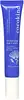 Key Ingredients
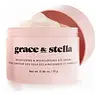
Benefits
Concerns
Ingredients Side-by-side
Water
Skin ConditioningCaprylic/Capric Triglyceride
Masking


Glycerin
Humectant
Cetearyl Alcohol
Emollient





Glyceryl Stearates
Emollient
Cetearyl Olivate
Leuconostoc/Radish Root Ferment Filtrate
Antimicrobial
Sorbitan Olivate
Emulsifying
Potassium Cetyl Phosphate
EmulsifyingSclerocarya Birrea Seed Oil
Humectant
Tetradecane
Perfuming

Butyrospermum Parkii Butter
Skin Conditioning
Albizia Julibrissin Bark Extract
MaskingDarutoside
Skin ConditioningHibiscus Sabdariffa Flower Extract
Skin ConditioningAvena Sativa Kernel Extract
Abrasive



Xanthan Gum
EmulsifyingPotassium Sorbate
Preservative
Sodium Dehydroacetate
Preservative
Water, Caprylic/Capric Triglyceride, Glycerin, Cetearyl Alcohol, Glyceryl Stearates, Cetearyl Olivate, Leuconostoc/Radish Root Ferment Filtrate, Sorbitan Olivate, Potassium Cetyl Phosphate, Sclerocarya Birrea Seed Oil, Tetradecane, Butyrospermum Parkii Butter, Albizia Julibrissin Bark Extract, Darutoside, Hibiscus Sabdariffa Flower Extract, Avena Sativa Kernel Extract, Xanthan Gum, Potassium Sorbate, Sodium Dehydroacetate
Water
Skin ConditioningNiacinamide
Smoothing







Caprylic/Capric Triglyceride
Masking
Glycerin
Humectant
Cetyl Alcohol
Emollient
Glyceryl Stearate Citrate
Emollient
Cetearyl Olivate
Sorbitan Olivate
Emulsifying
Prunus Persica Kernel Extract
MoisturisingHamamelis Virginiana Extract
Antiseborrhoeic

Arnica Montana Flower Extract
Masking
Achillea Millefolium Extract
CleansingCamellia Sinensis Leaf Extract
Antimicrobial
Aesculus Hippocastanum Seed Extract
Skin ConditioningCaffeine
Skin Conditioning
Potassium Sorbate
Preservative
Tocopheryl Acetate
Antioxidant
Potassium Cetyl Phosphate
EmulsifyingGlyceryl Stearate
Emollient
Pinus Pinaster Bark Extract
Antioxidant
Zinc Oxide
Cosmetic Colorant

Triethoxycaprylylsilane

Ascorbyl Palmitate
Antioxidant
Sodium Hyaluronate
Humectant
Glycyrrhiza Glabra Root Extract
Bleaching
Ethylhexylglycerin
Skin ConditioningPhenoxyethanol
Preservative
Water, Niacinamide, Caprylic/Capric Triglyceride, Glycerin, Cetyl Alcohol, Glyceryl Stearate Citrate, Cetearyl Olivate, Sorbitan Olivate, Prunus Persica Kernel Extract, Hamamelis Virginiana Extract, Arnica Montana Flower Extract, Achillea Millefolium Extract, Camellia Sinensis Leaf Extract, Aesculus Hippocastanum Seed Extract, Caffeine, Potassium Sorbate, Tocopheryl Acetate, Potassium Cetyl Phosphate, Glyceryl Stearate, Pinus Pinaster Bark Extract, Zinc Oxide, Triethoxycaprylylsilane, Ascorbyl Palmitate, Sodium Hyaluronate, Glycyrrhiza Glabra Root Extract, Ethylhexylglycerin, Phenoxyethanol
Reviews
Ingredients Explained
These ingredients are found in both products.
Ingredients higher up in an ingredient list are typically present in a larger amount.
Caprylic/Capric Triglyceride (aka MCT Oil) is a lightweight emollient, solvent, and texture enhancer. It is considered a skin-softener by helping to prevent moisture loss.
Though it behaves like an oil, it is not technically one due to its chemical composition. One perk of this ingredient is that it is very stable, resistant to oxidation, and unlikely to go rancid.
In practice, that translates to a long shelf life and a consistently elegant skin feel.
While there is an assumption Caprylic Triglyceride can clog pores due to it being derived from coconut oil, there is no research supporting this. Just patch test if you have concerns.
Fractionated coconut oil and MCT Oil are both listed as Caprylic/Capric Triglyceride according to INCI. This is because INCI names are based on the ingredient’s final chemical composition and not its marketing name or source.
This ingredient is treated as the gold standard fungal acne safe oil. Even though it is coconut derived, the problematic lauric acid is stripped out.
This leaves just caprylic (C8) and capric (C10) acid. These chain lengths actually trend antifungal; a 2020 study found caprylic acid was enough to disrupt Malassezia furfur cell membrane, with a caprylic acid derivative damaging membrane structures at concentrations as low as 0.2%.
Learn more about Caprylic/Capric TriglycerideCetearyl Olivate is a plant-derived emulsifier and texture enhancer. It helps keep the oil and water phases from separating so your formulas stay stable.
You'll likely see it combined with Sorbitan Olivate (together sold as the trade name Olivem 1000). This combination generates a liquid crystal structure that closely resemble the lipid organization of the stratum corneum.
These "skin-like" liquid crystals improve skin barrier integrity and promote the delivery of actives into the skin.
This ingredient is well-tolerated and has no significant sensitization data.
Because it is derived from the fatty acids in olive oil, this ingredient may not be fungal acne safe.
Learn more about Cetearyl OlivateGlycerin (or glycerol) is a compound naturally found in your skin. It's a powerhouse humectant that pulls water into the stratum corneum.
Topically, glycerin does several things at once:
Your skin makes glycerin on its own (mostly from sebaceous oil breakdown) and shuttles it to your outermost layer of skin, or your epidermis, via aquaporin-3.
Aquaporin-3 is a transporter that is essential for normal skin hydration, elasticity, and repair. Interestingly, mice lacking in AQP3 have dry and less elastic skin that can be fully corrected with glycerin.
This ingredient is non-irritating, plays well with almost every ingredient, and works across all skin types. Typical use is anywhere between 3-10% but can go up to 79% in some leave-on products.
Just know very high concentrations (>40%) can feel tacky in low humidity.
Glycerin is the name for this ingredient in American English. British English uses Glycerol/Glycerine.
Learn more about GlycerinPotassium Cetyl Phosphate is the potassium salt of a mixture. This mixture consists of the esters from phosphoricacid and cetyl alcohol.
Potassium Cetyl Phosphate is an emulsifier and cleansing agent. Emulsifiers help stabilize a product. It does this by preventing certain ingredients from separating.
As a cleansing agent, Potassium Cetyl Phosphate helps gather oils, dirts, and pollutants from your skin. This makes it easier to rinse them away with water.
Learn more about Potassium Cetyl PhosphatePotassium Sorbate is a preservative used to prevent yeast and mold in products. It is commonly found in both cosmetic and food products.
This ingredient comes from potassium salt derived from sorbic acid. Sorbic acid is a natural antibiotic and effective against fungus.
Both potassium sorbate and sorbic acid can be found in baked goods, cheeses, dried meats, dried fruit, ice cream, pickles, wine, yogurt, and more.
You'll often find this ingredient used with other preservatives.
Learn more about Potassium SorbateSorbitan Olivate is created from the fatty acids in olive oil and sorbitol.
This ingredient is an oil in water emulsifier. It helps stabilize a product by preventing oils and waters from separating. Sorbitan Olivate also helps hydrate the skin.
This ingredient is also known as part of Olivem 1000, with Cetearyl Olivate being the other part.
According to a manufacturer, this ingredient helps preserve the natural microbiome of skin. Having a healthy microbiome helps keep our skin healthy and protects against harmful bacteria.
Please note, having a healthy microbiome is different from fungal acne; a healthy microbiome includes small amounts of yeast that normally live on your skin without causing problems.
Fungal acne happens when one type of yeast (Malassezia) grows out of control. This is usually because it's feeding on certain oils or fatty acids. Due to the olive oil base, this ingredient may not be fungal acne safe.
Learn more about Sorbitan OlivateWater. It's the most common cosmetic ingredient of all. You'll usually see it at the top of ingredient lists, meaning that it makes up the largest part of the product.
So why is it so popular? Water most often acts as a solvent - this means that it helps dissolve other ingredients into the formulation.
You'll also recognize water as that liquid we all need to stay alive. If you see this, drink a glass of water. Remember to stay hydrated!
Learn more about Water

