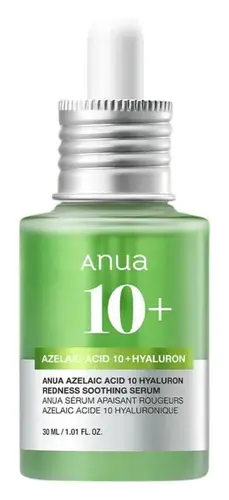
This brightening serum is formulated around 3-O-Ethyl Ascorbic Acid and Bisabolol to brighten dull-looking skin and fade the look of dark spots.


What's inside
What's inside
 Key Ingredients
Benefits
Concerns
Ingredients Side-by-side
Water
Skin Conditioning3-O-Ethyl Ascorbic Acid
Skin Conditioning





Caprylic/Capric Triglyceride
Masking


Diglycerin
Humectant
Glycerin
Humectant
Diheptyl Succinate
EmollientPentylene Glycol
Skin Conditioning
Diglucosyl Gallic Acid
Phytosteryl/Octyldodecyl Lauroyl Glutamate
Skin ConditioningAvena Sativa Bran Extract
Abrasive
Capryloyl Glycerin/Sebacic Acid Copolymer
Skin ConditioningHippophae Rhamnoides Seed Oil
Skin Protecting


Sodium Citrate
BufferingBisabolol
Antioxidant

Boron Nitride
Absorbent
Glyceryl Stearate
Emollient
Hydroxyacetophenone
Antioxidant
Sodium Stearoyl Glutamate
CleansingTocopheryl Acetate
Antioxidant
Polyacrylate Crosspolymer-6
Emulsion Stabilising1,2-Hexanediol
Skin Conditioning
Caprylyl Glycol
Emollient
Citric Acid
Buffering
Mica
Cosmetic ColorantCitrus Aurantium Dulcis Peel Extract
Emulsion Stabilising
Xanthan Gum
EmulsifyingInulin Lauryl Carbamate
Emulsion StabilisingCellulose
Absorbent
Cetearyl Alcohol
Emollient


Hyaluronic Acid
Humectant

Sclerotium Gum
Emulsion StabilisingLecithin
Emollient
Tetrasodium Glutamate Diacetate
Pullulan
CI 77891
Cosmetic ColorantSodium Benzoate
Masking
Rubus Idaeus Seed Oil
Emollient
Sodium Hyaluronate
Humectant
Silica
Abrasive
Cellulose Gum
Emulsion StabilisingCI 77491
Cosmetic ColorantEthyl 2-Methylbutyrate
Perfuming
Citrus Sinensis Peel Oil Expressed
Perfuming

Allyl Caproate
Astringent
Raspberry Ketone
Masking
Maltol
MaskingHeliotropine
Masking
Vanillin
Masking
Citrus Aurantium Dulcis Peel Oil
Masking
Citrus Reticulata Peel Oil
Masking
Triethyl Citrate
Masking
Limonene
Perfuming
Water, 3-O-Ethyl Ascorbic Acid, Caprylic/Capric Triglyceride, Diglycerin, Glycerin, Diheptyl Succinate, Pentylene Glycol, Diglucosyl Gallic Acid, Phytosteryl/Octyldodecyl Lauroyl Glutamate, Avena Sativa Bran Extract, Capryloyl Glycerin/Sebacic Acid Copolymer, Hippophae Rhamnoides Seed Oil, Sodium Citrate, Bisabolol, Boron Nitride, Glyceryl Stearate, Hydroxyacetophenone, Sodium Stearoyl Glutamate, Tocopheryl Acetate, Polyacrylate Crosspolymer-6, 1,2-Hexanediol, Caprylyl Glycol, Citric Acid, Mica, Citrus Aurantium Dulcis Peel Extract, Xanthan Gum, Inulin Lauryl Carbamate, Cellulose, Cetearyl Alcohol, Hyaluronic Acid, Sclerotium Gum, Lecithin, Tetrasodium Glutamate Diacetate, Pullulan, CI 77891, Sodium Benzoate, Rubus Idaeus Seed Oil, Sodium Hyaluronate, Silica, Cellulose Gum, CI 77491, Ethyl 2-Methylbutyrate, Citrus Sinensis Peel Oil Expressed, Allyl Caproate, Raspberry Ketone, Maltol, Heliotropine, Vanillin, Citrus Aurantium Dulcis Peel Oil, Citrus Reticulata Peel Oil, Triethyl Citrate, Limonene



Reviews
Alternatives
Ingredients Explained
These ingredients are found in both products.
Ingredients higher up in an ingredient list are typically present in a larger amount.
Caprylic/Capric Triglyceride (aka MCT Oil) is a lightweight emollient, solvent, and texture enhancer. It is considered a skin-softener by helping to prevent moisture loss.
Though it behaves like an oil, it is not technically one due to its chemical composition. One perk of this ingredient is that it is very stable, resistant to oxidation, and unlikely to go rancid.
In practice, that translates to a long shelf life and a consistently elegant skin feel.
While there is an assumption Caprylic Triglyceride can clog pores due to it being derived from coconut oil, there is no research supporting this. Just patch test if you have concerns.
Fractionated coconut oil and MCT Oil are both listed as Caprylic/Capric Triglyceride according to INCI. This is because INCI names are based on the ingredient’s final chemical composition and not its marketing name or source.
This ingredient is treated as the gold standard fungal acne safe oil. Even though it is coconut derived, the problematic lauric acid is stripped out.
This leaves just caprylic (C8) and capric (C10) acid. These chain lengths actually trend antifungal; a 2020 study found caprylic acid was enough to disrupt Malassezia furfur cell membrane, with a caprylic acid derivative damaging membrane structures at concentrations as low as 0.2%.
Learn more about Caprylic/Capric TriglycerideLecithin is a term for a group of substances found in the cell membranes of plants, animals, and humans. They are made up of phospholipids.
Thanks to its amphiphilic structure (water-loving head and oil-loving tail), it is a true multitasker:
It plays well with most ingredients and is typically used at 0.1-1%. However, concentrations up to 50% have been reported in moisturizers.
Learn more about LecithinWater. It's the most common cosmetic ingredient of all. You'll usually see it at the top of ingredient lists, meaning that it makes up the largest part of the product.
So why is it so popular? Water most often acts as a solvent - this means that it helps dissolve other ingredients into the formulation.
You'll also recognize water as that liquid we all need to stay alive. If you see this, drink a glass of water. Remember to stay hydrated!
Learn more about Water