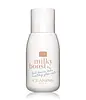
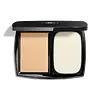
Clarins Milky Boost Versus Chanel Ultra Le Teint Ultrawear – All-Day Comfort Flawless Finish Compact Foundation

What's inside
What's inside
 Key Ingredients
Benefits
Concerns
Ingredients Side-by-side
Water
Skin ConditioningCoco-Caprylate/Caprate
Emollient
Caprylic/Capric Triglyceride
Masking

CI 77891
Cosmetic ColorantPropanediol
Solvent
Polyglyceryl-6 Stearate
Emollient

Glycerin
Humectant
Talc
Abrasive
Silica
Abrasive

CI 77492
Cosmetic ColorantPolyacrylate Crosspolymer-6
Emulsion StabilisingCaprylyl Glycol
Emollient
Potassium Cetyl Phosphate
EmulsifyingDimethicone
Emollient
Cellulose Acetate
Polyglyceryl-6 Behenate
Emulsion Stabilising
Synthetic Fluorphlogopite
Propylene Glycol Stearate
Skin Conditioning


Disodium EDTA
ChelatingEthylhexylglycerin
Skin ConditioningParfum
Masking


Tocopheryl Acetate
Antioxidant


Acrylates/Ammonium Methacrylate Copolymer
Boron Nitride
Absorbent
CI 77491
Cosmetic ColorantDimethiconol
Emollient
Propylene Glycol Dicaprylate/Dicaprate
EmollientPrunus Persica Leaf Extract
Emollient
Magnesium Stearate
Cosmetic ColorantActinidia Chinensis Fruit Extract
EmollientButylene Glycol
Humectant
Phenoxyethanol
Preservative
CI 77499
Cosmetic ColorantAlumina
Abrasive
Marrubium Vulgare Extract
Skin ConditioningPrunus Persica Fruit Extract
Abrasive
T-Butyl Alcohol
Perfuming

Potassium Sorbate
Preservative
Xanthan Gum
EmulsifyingPhenethyl Alcohol
MaskingFurcellaria Lumbricalis Extract
Skin ConditioningLapsana Communis Flower/Leaf/Stem Extract
Skin ConditioningMaris Sal
Skin ConditioningWater, Coco-Caprylate/Caprate, Caprylic/Capric Triglyceride, CI 77891, Propanediol, Polyglyceryl-6 Stearate, Glycerin, Talc, Silica, CI 77492, Polyacrylate Crosspolymer-6, Caprylyl Glycol, Potassium Cetyl Phosphate, Dimethicone, Cellulose Acetate, Polyglyceryl-6 Behenate, Synthetic Fluorphlogopite, Propylene Glycol Stearate, Disodium EDTA, Ethylhexylglycerin, Parfum, Tocopheryl Acetate, Acrylates/Ammonium Methacrylate Copolymer, Boron Nitride, CI 77491, Dimethiconol, Propylene Glycol Dicaprylate/Dicaprate, Prunus Persica Leaf Extract, Magnesium Stearate, Actinidia Chinensis Fruit Extract, Butylene Glycol, Phenoxyethanol, CI 77499, Alumina, Marrubium Vulgare Extract, Prunus Persica Fruit Extract, T-Butyl Alcohol, Potassium Sorbate, Xanthan Gum, Phenethyl Alcohol, Furcellaria Lumbricalis Extract, Lapsana Communis Flower/Leaf/Stem Extract, Maris Sal
Talc
Abrasive
Silica
Abrasive
Boron Nitride
Absorbent
Dimethicone
Emollient
Magnesium Myristate
Synthetic Fluorphlogopite
Polymethylsilsesquioxane
Vinyl Dimethicone/Methicone Silsesquioxane Crosspolymer
Ethylhexyl Polyhydroxystearate
EmollientSqualane
Emollient
Aluminum Dimyristate
Emulsion StabilisingPotassium Sorbate
Preservative
Aluminum Hydroxide
EmollientChlorphenesin
Antimicrobial
Parfum
Masking
Sodium Lauroyl Glutamate
SurfactantTocopheryl Acetate
Antioxidant
Lysine
Skin ConditioningMagnesium Chloride
CI 77007
Cosmetic ColorantCI 77491
Cosmetic ColorantCI 77492
Cosmetic ColorantCI 77499
Cosmetic ColorantCI 77891
Cosmetic ColorantMica
Cosmetic ColorantTalc, Silica, Boron Nitride, Dimethicone, Magnesium Myristate, Synthetic Fluorphlogopite, Polymethylsilsesquioxane, Vinyl Dimethicone/Methicone Silsesquioxane Crosspolymer, Ethylhexyl Polyhydroxystearate, Squalane, Aluminum Dimyristate, Potassium Sorbate, Aluminum Hydroxide, Chlorphenesin, Parfum, Sodium Lauroyl Glutamate, Tocopheryl Acetate, Lysine, Magnesium Chloride, CI 77007, CI 77491, CI 77492, CI 77499, CI 77891, Mica
Ingredients Explained
These ingredients are found in both products.
Ingredients higher up in an ingredient list are typically present in a larger amount.
Boron Nitride is compound consisting of boron and nitrogen. It is used to absorb oil and modify adherence/ slip in products.
This means it is often used in makeup products to help them last longer.
Ci 77491 is also hydrated iron III oxide. It's sole purpose is to give a red/pink hue to products.
Iron III oxides are classified as inorganic chemicals for coloring.
Synthetically created Ci 77491 is considered safer than those naturally found. This is because the synthetically created version may contain less impurities. Iron oxides are generally non-toxic and non-allergenic.
Learn more about CI 77491CI 77492 is also hydrated iron III oxide. It's sole purpose is to give a yellow hue to products.
Iron III oxides are classified as inorganic chemicals for coloring.
Synthetically created CI 77492 is considered safer than those naturally found. This is because the synthetically created version may contain less impurities. Iron oxides are generally non-toxic and non-allergenic.
Learn more about CI 77492Ci 77499 is also hydrated iron III oxide. It is created from mixing red and black iron oxides. This helps give shades of darkness to a product.
Iron III oxides are classified as inorganic chemicals for coloring.
Ci 77891 is a white pigment from Titanium dioxide. It is naturally found in minerals such as rutile and ilmenite.
It's main function is to add a white color to cosmetics. It can also be mixed with other colors to create different shades.
Ci 77891 is commonly found in sunscreens due to its ability to block UV rays.
Learn more about CI 77891Dimethicone is a type of synthetic silicone created from natural materials such as quartz. It is also known as polydimethylsiloxane.
What it does:
Dimethicone comes in different viscosities:
Depending on the viscosity, dimethicone has different properties.
Ingredients lists don't always show which type is used, so we recommend reaching out to the brand if you have questions about the viscosity.
This ingredient is unlikely to cause irritation because it does not get absorbed into skin. However, people with silicone allergies should be careful about using this ingredient.
Note: Dimethicone may contribute to pilling. This is because it is not oil or water soluble, so pilling may occur when layered with products. When mixed with heavy oils in a formula, the outcome is also quite greasy.
Learn more about DimethiconeParfum is a catch-all term for an ingredient or more that is used to give a scent to products.
Also called "fragrance", this ingredient can be a blend of hundreds of chemicals or plant oils. This means every product with "fragrance" or "parfum" in the ingredients list is a different mixture.
For instance, Habanolide is a proprietary trade name for a specific aroma chemical. When used as a fragrance ingredient in cosmetics, most aroma chemicals fall under the broad labeling category of “FRAGRANCE” or “PARFUM” according to EU and US regulations.
The term 'parfum' or 'fragrance' is not regulated in many countries. In many cases, it is up to the brand to define this term.
For instance, many brands choose to label themselves as "fragrance-free" because they are not using synthetic fragrances. However, their products may still contain ingredients such as essential oils that are considered a fragrance by INCI standards.
One example is Calendula flower extract. Calendula is an essential oil that still imparts a scent or 'fragrance'.
Depending on the blend, the ingredients in the mixture can cause allergies and sensitivities on the skin. Some ingredients that are known EU allergens include linalool and citronellol.
Parfum can also be used to mask or cover an unpleasant scent.
The bottom line is: not all fragrances/parfum/ingredients are created equally. If you are worried about fragrances, we recommend taking a closer look at an ingredient. And of course, we always recommend speaking with a professional.
Learn more about ParfumPotassium Sorbate is a preservative used to prevent yeast and mold in products. It is commonly found in both cosmetic and food products.
This ingredient comes from potassium salt derived from sorbic acid. Sorbic acid is a natural antibiotic and effective against fungus.
Both potassium sorbate and sorbic acid can be found in baked goods, cheeses, dried meats, dried fruit, ice cream, pickles, wine, yogurt, and more.
You'll often find this ingredient used with other preservatives.
Learn more about Potassium SorbateSilica, also known as silicon dioxide, is a naturally occurring mineral. It is used as a fine, spherical, and porous powder in cosmetics.
Though it has exfoliant properties, the function of silica varies depending on the product.
The unique structure of silica enhances the spreadability and adds smoothness, making it a great texture enhancer.
It is also used as an active carrier, emulsifier, and mattifier due to its ability to absorb excess oil.
In some products, tiny microneedles called spicules are made from silica or hydrolyzed sponge. When you rub them in, they lightly polish away dead skin layers and enhance the penetration of active ingredients.
Learn more about SilicaSynthetic Fluorphlogopite is the synthethic version of mica. It consists of fluorine, aluminum and silicate.
Synthetic Fluorphlogopite is used to add volume to products.
It is considered non-irritating on the skin.
Learn more about Synthetic FluorphlogopiteTalc is a clay mineral. It helps absorb moisture and improve the texture of products. Like other types of clay, Talc can have a slight exfoliating effect on skin. Talc can be added to increase the volume of products.
Some Baby powders are made by combining talc with corn starch. The word "talc" comes from Latin and originates from Arabic. Talc is a mineral commonly found throughout the world.
If you have any concerns about using talc, we recommend checking out the FDA's official page.
Learn more about TalcTocopheryl Acetate is a stable, shelf-friendly form of vitamin E.
Formulators love it because plain vitamin E oxidizes quickly once it hits air. This acetate version stays stable and resists going off, helping to extend a product's shelf life.
It's actually inactive on its own and works like a slow-release "storage" form; the enzymes in your skin called esterases gradually convert it into active vitamin E over time.
One in vivo study showed 5% of the acetate in the living layer of the epidermis converted to vitamin E after 5 days of application. This study also found the skin gained protection against UV damage even though the conversion was slow and small.
Once converted, vitamin E acts as a skin's main fat-soluble antioxidant that fights free radicals to protect skin from damage.
Topical vitamin E generally boosts the skin's photoprotection, and it reduced UV-damage in animal models.
This ingredient has some brightening potential but it's more of a prevention ingredient than spot-fader. Cell studies show it can slow down melanin production but it's worth noting that it's not the most powerful brightener out there.
Overall, it has a pretty solid safety profile and has been found to be non-irritating and non-comedogenic. Allergic reactions may happen but stay rare due to how widely the ingredient gets used.
The concentration will vary depending on the formula; industry data shows 0.1% in baby lotions, 3% in lipsticks, and 5% in foot powders. You can also find this ingredient at 100% in a pure vitamin E oil.
Most leave-on skincare keeps it at the lower end, often between 0.5-1%.
Learn more about Tocopheryl Acetate

