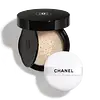
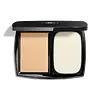
Chanel Poudre Universelle Libre Natural Finish Loose Powder On-The-Go Format Versus Chanel Ultra Le Teint Ultrawear – All-Day Comfort Flawless Finish Compact Foundation

What's inside
What's inside
 Key Ingredients
Benefits
Concerns
Ingredients Side-by-side
Aluminum Starch Octenylsuccinate
Absorbent
Boron Nitride
Absorbent
Cellulose
Absorbent
Aluminum Hydroxide
EmollientDicaprylyl Carbonate
EmollientCaprylyl Glycol
Emollient
Ethylhexylglycerin
Skin ConditioningPotassium Sorbate
Preservative
Chlorphenesin
Antimicrobial
Sodium Lauroyl Glutamate
SurfactantParfum
Masking




Lysine
Skin ConditioningMagnesium Chloride
Tocopherol
Antioxidant







CI 77491
Cosmetic ColorantCI 77492
Cosmetic ColorantCI 77499
Cosmetic ColorantMica
Cosmetic ColorantTalc
Abrasive
Silica
Abrasive
Boron Nitride
Absorbent
Dimethicone
Emollient

Magnesium Myristate

Synthetic Fluorphlogopite
Polymethylsilsesquioxane
Vinyl Dimethicone/Methicone Silsesquioxane Crosspolymer
Ethylhexyl Polyhydroxystearate
EmollientSqualane
Emollient
Aluminum Dimyristate
Emulsion StabilisingPotassium Sorbate
Preservative
Aluminum Hydroxide
EmollientChlorphenesin
Antimicrobial
Parfum
Masking
Sodium Lauroyl Glutamate
SurfactantTocopheryl Acetate
Antioxidant
Lysine
Skin ConditioningMagnesium Chloride
CI 77007
Cosmetic ColorantCI 77491
Cosmetic ColorantCI 77492
Cosmetic ColorantCI 77499
Cosmetic ColorantCI 77891
Cosmetic ColorantMica
Cosmetic ColorantTalc, Silica, Boron Nitride, Dimethicone, Magnesium Myristate, Synthetic Fluorphlogopite, Polymethylsilsesquioxane, Vinyl Dimethicone/Methicone Silsesquioxane Crosspolymer, Ethylhexyl Polyhydroxystearate, Squalane, Aluminum Dimyristate, Potassium Sorbate, Aluminum Hydroxide, Chlorphenesin, Parfum, Sodium Lauroyl Glutamate, Tocopheryl Acetate, Lysine, Magnesium Chloride, CI 77007, CI 77491, CI 77492, CI 77499, CI 77891, Mica
Ingredients Explained
These ingredients are found in both products.
Ingredients higher up in an ingredient list are typically present in a larger amount.
Aluminum Hydroxide is a form of aluminum. It can be naturally found in nature as the mineral gibbsite. In cosmetics, Aluminum Hydroxide is used as a colorant, pH adjuster, and absorbent.
As a colorant, Aluminum Hydroxide may add opacity, or reduce the transparency. Aluminum hydroxide is contains both basic and acidic properties.
According to manufacturers, this ingredient is an emollient and humectant. This means it helps hydrate the skin.
In medicine, this ingredient is used to help relieve heartburn and help heal ulcers.
There is currently no credible scientific evidence linking aluminum hydroxide in cosmetics to increased cancer risk.
Major health organizations allow the use of aluminum hydroxide in personal care products and have not flagged it as a carcinogenic risk at typical usage levels.
Learn more about Aluminum HydroxideBoron Nitride is compound consisting of boron and nitrogen. It is used to absorb oil and modify adherence/ slip in products.
This means it is often used in makeup products to help them last longer.
Chlorphenesin is a synthetic preservative. It helps protect a product against bacteria in order to extend shelf life. In most cases, Chlorphenesin is paired with other preservatives such as phenoxyethanol and caprylyl glycol.
Chlorphenesin is a biocide. This means it is able to help fight the microorganisms on our skin. It is also able to fight odor-releasing bacteria.
Chlorphenesin is soluble in both water and glycerin.
Studies show Chlorphenesin is easily absorbed by our skin. You should speak with a skincare professional if you have concerns about using Chlorphenesin.
Learn more about ChlorphenesinCi 77491 is also hydrated iron III oxide. It's sole purpose is to give a red/pink hue to products.
Iron III oxides are classified as inorganic chemicals for coloring.
Synthetically created Ci 77491 is considered safer than those naturally found. This is because the synthetically created version may contain less impurities. Iron oxides are generally non-toxic and non-allergenic.
Learn more about CI 77491CI 77492 is also hydrated iron III oxide. It's sole purpose is to give a yellow hue to products.
Iron III oxides are classified as inorganic chemicals for coloring.
Synthetically created CI 77492 is considered safer than those naturally found. This is because the synthetically created version may contain less impurities. Iron oxides are generally non-toxic and non-allergenic.
Learn more about CI 77492Ci 77499 is also hydrated iron III oxide. It is created from mixing red and black iron oxides. This helps give shades of darkness to a product.
Iron III oxides are classified as inorganic chemicals for coloring.
Lysine is an essential amino acid (your body cannot make it on its own). It has skin conditioning properties and one of the key players in collagen synthesis.
When your body creates collagen, lysine is basically the glue that holds everything together. It helps collagen fibers lock into each other and stay strong, with vitamin C being its trusty sidekick. Without enough lysine, this glue gets flimsy and less firm, resulting in less bouncy skin.
In skincare, lysine is mostly there to help keep your skin moisturized. It carries water through your skin's layers so everything stays plump.
So will putting lysine on your face create bouncier skin?
It's hard to say; most of the exciting collagen research on lysine comes from oral supplements or lab studies on mice. Further research is needed to truly understand what role topical lysine plays in skincare and your skin.
However, there's no harm in adding lysine to your routine as a supportive and hydrating ingredient.
Learn more about LysineMagnesium chloride is a mineral salt made from magnesium and chloride. It is mainly used to control product stability and texture in cosmetics.
This ingredient can also play a role in soothing the skin and supporting normal skin function.
Magnesium chloride is water-soluble, generally well tolerated, and does not act as a strong “active” ingredient on its own.
Learn more about Magnesium ChlorideMica is a naturally occurring mineral used to add shimmer and color in cosmetics. It can also help improve the texture of a product or give it an opaque, white/silver color.
Serecite is the name for very fine but ragged grains of mica.
This ingredient is often coated with metal oxides like titanium dioxide. Trace amounts of heavy metals may be found in mica, but these metals are not harmful in our personal products.
Mica has been used since prehistoric times throughout the world. Ancient Egyptian, Indian, Greek, Roman, Aztec, and Chinese civilizations have used mica.
Learn more about MicaParfum is a catch-all term for an ingredient or more that is used to give a scent to products.
Also called "fragrance", this ingredient can be a blend of hundreds of chemicals or plant oils. This means every product with "fragrance" or "parfum" in the ingredients list is a different mixture.
For instance, Habanolide is a proprietary trade name for a specific aroma chemical. When used as a fragrance ingredient in cosmetics, most aroma chemicals fall under the broad labeling category of “FRAGRANCE” or “PARFUM” according to EU and US regulations.
The term 'parfum' or 'fragrance' is not regulated in many countries. In many cases, it is up to the brand to define this term.
For instance, many brands choose to label themselves as "fragrance-free" because they are not using synthetic fragrances. However, their products may still contain ingredients such as essential oils that are considered a fragrance by INCI standards.
One example is Calendula flower extract. Calendula is an essential oil that still imparts a scent or 'fragrance'.
Depending on the blend, the ingredients in the mixture can cause allergies and sensitivities on the skin. Some ingredients that are known EU allergens include linalool and citronellol.
Parfum can also be used to mask or cover an unpleasant scent.
The bottom line is: not all fragrances/parfum/ingredients are created equally. If you are worried about fragrances, we recommend taking a closer look at an ingredient. And of course, we always recommend speaking with a professional.
Learn more about ParfumPotassium Sorbate is a preservative used to prevent yeast and mold in products. It is commonly found in both cosmetic and food products.
This ingredient comes from potassium salt derived from sorbic acid. Sorbic acid is a natural antibiotic and effective against fungus.
Both potassium sorbate and sorbic acid can be found in baked goods, cheeses, dried meats, dried fruit, ice cream, pickles, wine, yogurt, and more.
You'll often find this ingredient used with other preservatives.
Learn more about Potassium SorbateSodium Lauroyl Glutamate is an amino-acid based mild surfactant that is used in formulas as a primary or secondary cleansing agent. This means it helps lift away oil, dirt, and makeup.
You'll see this ingredient in facial cleansers, shampoos, and even toothpaste because it foams reasonably well while being much gentler than harsher surfactants like SLS.
A study comparing surfactant mixtures found that Sodium Lauroyl Glutamate caused visibly less disruption to skin lipid structure and less irritation than SLS when tested on human subjects; this correlated with the data from in vivo results as well.
The Tenside, Surfactants, Detergents cosmetics industry journal has also concluded that amino acid based surfactants are generally milder than their corresponding alkyl sulfate counterparts. They also stated glutamates in particular are considered one of the gentler options in the category.
The Cosmetic Ingredient Review (CIR) Expert Panel has reviewed dermal irritation and sensitization data for this ingredient at the highest reported use concentration and concluded it to be safe in present practices.
Typical use concentrations tend to run low (generally less than 10%) though the CIR's review noted the highest reported use concentration was 40% as a raw material blend (and not a diluted finished cosmetic product).
Learn more about Sodium Lauroyl Glutamate

