

What's inside
What's inside
 Key Ingredients
Benefits
Concerns
Ingredients Side-by-side
Water
Skin ConditioningCetearyl Isononanoate
Emollient
Glycerin
Humectant


Isononyl Isononanoate
EmollientCaprylic/Capric Triglyceride
Masking
Pentylene Glycol
Skin Conditioning
PPG-3 Myristyl Ether
EmollientEthylene/Propylene/Styrene Copolymer
Dipsacus Sylvestris Extract
Skin ConditioningButylene Glycol
Humectant
Parfum
Masking




Phenoxyethanol
Preservative
Propanediol
Solvent
Tromethamine
BufferingSilybum Marianum Seed Oil
Skin Conditioning

Carbomer
Emulsion StabilisingTocopheryl Acetate
Antioxidant


Escin
TonicChenopodium Quinoa Seed Extract
Skin Conditioning
Ethylhexylglycerin
Skin ConditioningSqualane
Emollient
Avena Sativa Kernel Extract
Abrasive


Theobroma Cacao Extract
Skin ConditioningButylene/Ethylene/Styrene Copolymer
Leontopodium Alpinum Extract
Skin ConditioningXanthan Gum
EmulsifyingPersea Gratissima Oil Unsaponifiables
Skin Conditioning
Caramel
Cosmetic ColorantCurcuma Longa Root Extract
Antioxidant
Salicyloyl Phytosphingosine
Skin ConditioningMusa Sapientum Fruit Extract
Skin ConditioningSalicornia Herbacea Extract
Skin ConditioningActinidia Chinensis Fruit Extract
EmollientKalanchoe Pinnata Leaf Extract
MaskingSodium Benzoate
Masking
Citric Acid
Buffering
Myrothamnus Flabellifolia Leaf/Stem Extract
HumectantDisodium EDTA
ChelatingTocopherol
Antioxidant
Lycium Barbarum Fruit Extract
Astringent
Maltodextrin
Absorbent
Orthosiphon Stamineus Extract
Skin ConditioningHedychium Coronarium Root Extract
MaskingMangifera Indica Leaf Extract
Skin ConditioningPotassium Sorbate
Preservative
Pentaerythrityl Tetra-Di-T-Butyl Hydroxyhydrocinnamate
Antioxidant
Jania Rubens Extract
Skin Conditioning
Ascorbic Acid
Antioxidant

Sodium Citrate
BufferingEngelhardtia Chrysolepis Leaf Extract
Skin ConditioningCI 14700
Cosmetic ColorantCallicarpa Japonica Fruit Extract
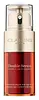
Skin ConditioningWater, Cetearyl Isononanoate, Glycerin, Isononyl Isononanoate, Caprylic/Capric Triglyceride, Pentylene Glycol, PPG-3 Myristyl Ether, Ethylene/Propylene/Styrene Copolymer, Dipsacus Sylvestris Extract, Butylene Glycol, Parfum, Phenoxyethanol, Propanediol, Tromethamine, Silybum Marianum Seed Oil, Carbomer, Tocopheryl Acetate, Escin, Chenopodium Quinoa Seed Extract, Ethylhexylglycerin, Squalane, Avena Sativa Kernel Extract, Theobroma Cacao Extract, Butylene/Ethylene/Styrene Copolymer, Leontopodium Alpinum Extract, Xanthan Gum, Persea Gratissima Oil Unsaponifiables, Caramel, Curcuma Longa Root Extract, Salicyloyl Phytosphingosine, Musa Sapientum Fruit Extract, Salicornia Herbacea Extract, Actinidia Chinensis Fruit Extract, Kalanchoe Pinnata Leaf Extract, Sodium Benzoate, Citric Acid, Myrothamnus Flabellifolia Leaf/Stem Extract, Disodium EDTA, Tocopherol, Lycium Barbarum Fruit Extract, Maltodextrin, Orthosiphon Stamineus Extract, Hedychium Coronarium Root Extract, Mangifera Indica Leaf Extract, Potassium Sorbate, Pentaerythrityl Tetra-Di-T-Butyl Hydroxyhydrocinnamate, Jania Rubens Extract, Ascorbic Acid, Sodium Citrate, Engelhardtia Chrysolepis Leaf Extract, CI 14700, Callicarpa Japonica Fruit Extract




Reviews
Ingredients Explained
These ingredients are found in both products.
Ingredients higher up in an ingredient list are typically present in a larger amount.
Caprylic/Capric Triglyceride (aka MCT Oil) is a lightweight emollient, solvent, and texture enhancer. It is considered a skin-softener by helping to prevent moisture loss.
Though it behaves like an oil, it is not technically one due to its chemical composition. One perk of this ingredient is that it is very stable, resistant to oxidation, and unlikely to go rancid.
In practice, that translates to a long shelf life and a consistently elegant skin feel.
While there is an assumption Caprylic Triglyceride can clog pores due to it being derived from coconut oil, there is no research supporting this. Just patch test if you have concerns.
Fractionated coconut oil and MCT Oil are both listed as Caprylic/Capric Triglyceride according to INCI. This is because INCI names are based on the ingredient’s final chemical composition and not its marketing name or source.
This ingredient is treated as the gold standard fungal acne safe oil. Even though it is coconut derived, the problematic lauric acid is stripped out.
This leaves just caprylic (C8) and capric (C10) acid. These chain lengths actually trend antifungal; a 2020 study found caprylic acid was enough to disrupt Malassezia furfur cell membrane, with a caprylic acid derivative damaging membrane structures at concentrations as low as 0.2%.
Learn more about Caprylic/Capric TriglycerideSqualane is the hydrogenated and shelf-stable form of squalene (a lipid that naturally occurs in human sebum).
It is an emollient and skin conditioning agent that is able to integrate seamlessly into the skin's lipid barrier without clogging pores.
This is due to how structurally similar it is to what your skin already produces.
Though it is mostly an emollient that helps soften and hydrate skin, it also has some humectant and occlusive action. Humectants help the skin retain moisture while occlusives seal it in, making squalane a triple-threat moisturizer.
Research shows it has antioxidant capabilities that help protect against stressors like UV exposure, specifically UVA induced oxidative stress. This study also found that it supports collagen biosynthesis in human dermal fibroblasts.
No clinical study has reported significant adverse effects and irritation reactions are very rare from this ingredient (even at 100% concentration).
Overall, it's a fantastic ingredient for hydration and is suitable for all skin types.
This depends on the source. Squalane can be derived from both plants and animals. Most squalane used in skincare comes from plants.
Please note: the source of squalane is only known if disclosed by the brand. We recommend reaching out to the brand if you have any questions about their squalane.
Read more about squalene with an "e".
Though squalane is often called an oil, it’s technically not one. It is a hydrocarbon, meaning it is only made of carbon and hydrogen. True oils are triglycerides and made of fatty acids and glycerol.
The term “oil-free” isn’t regulated so companies can define it however they want. Some exclude all oils, while others just avoid mineral oil or comedogenic oils.
Squalane has a comedogenic rating of 1 from the original 1972 study that tested raw ingredients under occlusion on rabbit ears. This system is not standardized or peer-reviewed, and using the raw ingredients is very different from how diluted cosmetic formulations are used on human skin.
A comedogenic rating of 1 means it is "unlikely to clog pores" according to the original rating system.
The overall formula of a product matters more than the individual ingredients on whether or not it will cause clogged pores.
Learn more about Squalane

