

What's inside
What's inside
 Key Ingredients
Benefits
Concerns
Ingredients Side-by-side
Camellia Japonica Flower Water
Skin ConditioningWater
Skin ConditioningPropanediol
Solvent

Glycerin
Humectant
Niacinamide
Smoothing









Silica
Abrasive
Pentylene Glycol
Skin Conditioning
Faex
Skin ConditioningCamellia Japonica Flower Extract
EmollientAcrylates/C10-30 Alkyl Acrylate Crosspolymer
Emulsion StabilisingChlorphenesin
Antimicrobial
Caprylyl Glycol
Emollient
Parfum
Masking



Ammonium Acryloyldimethyltaurate/Vp Copolymer
Sodium Hyaluronate
Humectant
Sodium Hydroxide
BufferingAlcaligenes Polysaccharides
EmollientAdenosine
Skin Conditioning
Lactic Acid
Buffering
1,2-Hexanediol
Skin Conditioning
Palmitoyl Tetrapeptide-7
Skin Conditioning
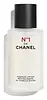
Camellia Japonica Flower Water, Water, Propanediol, Glycerin, Niacinamide, Silica, Pentylene Glycol, Faex, Camellia Japonica Flower Extract, Acrylates/C10-30 Alkyl Acrylate Crosspolymer, Chlorphenesin, Caprylyl Glycol, Parfum, Ammonium Acryloyldimethyltaurate/Vp Copolymer, Sodium Hyaluronate, Sodium Hydroxide, Alcaligenes Polysaccharides, Adenosine, Lactic Acid, 1,2-Hexanediol, Palmitoyl Tetrapeptide-7
Water
Skin ConditioningBifida Ferment Lysate
Skin Conditioning
Propanediol
Solvent
PEG-75
HumectantLactobacillus Ferment
Skin Conditioning
Acetyl Hexapeptide-8
Humectant
Acetyl Glucosamine
Skin Conditioning
Sodium Hyaluronate
Humectant
Anthemis Nobilis Flower Extract
Masking
Caffeine
Skin Conditioning
Dipotassium Glycyrrhizate
Humectant
Hydrolyzed Rice Extract
Skin Conditioning
Betaine
Humectant
Maltodextrin
Absorbent
Carbomer
Emulsion StabilisingTromethamine
BufferingCitric Acid
Buffering
Trehalose
Humectant
Butylene Glycol
Humectant
Caprylyl Glycol
Emollient
PPG-5-Ceteth-20
EmulsifyingPentylene Glycol
Skin Conditioning
Disodium EDTA
Sodium Citrate
BufferingPhenoxyethanol
Preservative
Potassium Sorbate
Preservative
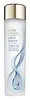
Water, Bifida Ferment Lysate, Propanediol, PEG-75, Lactobacillus Ferment, Acetyl Hexapeptide-8, Acetyl Glucosamine, Sodium Hyaluronate, Anthemis Nobilis Flower Extract, Caffeine, Dipotassium Glycyrrhizate, Hydrolyzed Rice Extract, Betaine, Maltodextrin, Carbomer, Tromethamine, Citric Acid, Trehalose, Butylene Glycol, Caprylyl Glycol, PPG-5-Ceteth-20, Pentylene Glycol, Disodium EDTA, Sodium Citrate, Phenoxyethanol, Potassium Sorbate
Reviews
Ingredients Explained
These ingredients are found in both products.
Ingredients higher up in an ingredient list are typically present in a larger amount.
Caprylyl Glycol is a humectant, skin conditioner, emollient, and preservative booster derived from either caprylic acid or synthetically created.
Typical use levels vary from 0.3-1% as a preservative booster and go up to 2% to condition skin.
Because it is not a free-fatty acid or alcohol, this ingredient is fungal acne safe (there's nothing for Malassezia to feed on).
Learn more about Caprylyl GlycolPentylene glycol is typically used within a product to thicken it. It also adds a smooth, soft, and moisturizing feel to the product. It is naturally found in plants such as sugar beets.
The hydrophilic trait of Pentylene Glycol makes it a humectant. As a humectant, Pentylene Glycol helps draw moisture from the air to your skin. This can help keep your skin hydrated.
This property also makes Pentylene Glycol a great texture enhancer. It can also help thicken or stabilize a product.
Pentylene Glycol also acts as a mild preservative and helps to keep a product microbe-free.
Some people may experience mild eye and skin irritation from Pentylene Glycol. We always recommend speaking with a professional about using this ingredient in your routine.
Pentylene Glycol has a low molecular weight and is part of the 1,2-glycol family.
Learn more about Pentylene GlycolPropanediol is an all-star ingredient. It softens, hydrates, and smooths the skin.
It’s often used to:
Propanediol is not likely to cause sensitivity and considered safe to use. It is derived from corn or petroleum with a clear color and no scent.
Learn more about PropanediolSodium Hyaluronate is the salt form of hyaluronic acid. It is a long sugar chain that is naturally found in your skin, joints, and connective tissue that maintains hydration and elasticity.
In skincare, it works as a humectant. It pulls water from the environment and deeper layers of skin and binds it to the surface.
Interestingly, the size of the molecule affects its behavior:
Some clinical evidence links low molecular weight versions to improved wrinkle depth, elasticity, anti-inflammatory effects, and barrier repair.
Many serums use a blend of both weights so you can get surface hydration plus longer-lasting and deeper effects.
You'll typically see concentrations between 0.1-2% for this ingredient.
Learn more about Sodium HyaluronateWater. It's the most common cosmetic ingredient of all. You'll usually see it at the top of ingredient lists, meaning that it makes up the largest part of the product.
So why is it so popular? Water most often acts as a solvent - this means that it helps dissolve other ingredients into the formulation.
You'll also recognize water as that liquid we all need to stay alive. If you see this, drink a glass of water. Remember to stay hydrated!
Learn more about Water
