

What's inside
What's inside
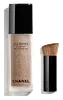 Key Ingredients
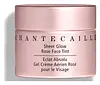
No key ingredients
Benefits
Concerns
Ingredients Side-by-side
Water
Skin ConditioningHydrogenated Polydecene
EmollientGlycerin
Humectant


Methyl Gluceth-20
Humectant
Glycol
HumectantDiglycerin
Humectant
Octyldodecanol
Emollient
Citrus Aurantium Amara Flower Extract
RefreshingChlorphenesin
Antimicrobial
Butylene Glycol
Humectant
Caprylyl Glycol
Emollient
Carbomer
Emulsion StabilisingPolyhydroxystearic Acid
Emulsifying

Disteardimonium Hectorite
StabilisingPolyglycerin-3
Humectant
Tamarindus Indica Seed Gum
Emulsion Stabilising
Trisodium Ethylenediamine Disuccinate
Aluminum Hydroxide
EmollientPropylene Carbonate
SolventAmodimethicone

Sodium Hydroxide
BufferingSodium Lauroyl Glutamate
SurfactantAlcaligenes Polysaccharides
EmollientParfum
Masking



Lysine
Skin ConditioningGlucose
Humectant
Magnesium Chloride
Ultramarines
CI 77491
Cosmetic ColorantCI 77492
Cosmetic ColorantCI 77499
Cosmetic ColorantCI 77891
Cosmetic ColorantMica
Cosmetic ColorantWater, Hydrogenated Polydecene, Glycerin, Methyl Gluceth-20, Glycol, Diglycerin, Octyldodecanol, Citrus Aurantium Amara Flower Extract, Chlorphenesin, Butylene Glycol, Caprylyl Glycol, Carbomer, Polyhydroxystearic Acid, Disteardimonium Hectorite, Polyglycerin-3, Tamarindus Indica Seed Gum, Trisodium Ethylenediamine Disuccinate, Aluminum Hydroxide, Propylene Carbonate, Amodimethicone, Sodium Hydroxide, Sodium Lauroyl Glutamate, Alcaligenes Polysaccharides, Parfum, Lysine, Glucose, Magnesium Chloride, Ultramarines, CI 77491, CI 77492, CI 77499, CI 77891, Mica
Water
Skin ConditioningPolyglyceryl-2 Triisostearate
Emulsifying
Caprylic/Capric Triglyceride
Masking
Glycerin
Humectant
Pentylene Glycol
Skin Conditioning
Methyl Gluceth-20
Humectant
Dicaprylyl Carbonate
EmollientCoco-Caprylate/Caprate
Emollient
Synthetic Fluorphlogopite
Mica
Cosmetic ColorantCarbomer
Emulsion StabilisingOphiopogon Japonicus Root Extract
Skin ConditioningAmodimethicone
Stearalkonium Hectorite
Gel FormingMaltodextrin
Absorbent
Butylene Glycol
Humectant
Tamarindus Indica Seed Gum
Emulsion Stabilising
Sodium Hydroxide
BufferingTrisodium Ethylenediamine Disuccinate
Propylene Carbonate
SolventSilica
Abrasive


Pelargonium Graveolens Stem Leaf Oil
Perfuming

Tin Oxide
Abrasive
Glucose
Humectant
Sodium Lactate
Buffering
Polysorbate 20
Emulsifying
Tocopherol
Antioxidant





Palmitoyl Tripeptide-1
Skin Conditioning

Palmitoyl Tetrapeptide-7
Skin Conditioning
Chlorphenesin
Antimicrobial
Citronellol
Perfuming
Geraniol
Perfuming
Linalool
Perfuming
CI 77891
Cosmetic ColorantCI 77491
Cosmetic ColorantWater, Polyglyceryl-2 Triisostearate, Caprylic/Capric Triglyceride, Glycerin, Pentylene Glycol, Methyl Gluceth-20, Dicaprylyl Carbonate, Coco-Caprylate/Caprate, Synthetic Fluorphlogopite, Mica, Carbomer, Ophiopogon Japonicus Root Extract, Amodimethicone, Stearalkonium Hectorite, Maltodextrin, Butylene Glycol, Tamarindus Indica Seed Gum, Sodium Hydroxide, Trisodium Ethylenediamine Disuccinate, Propylene Carbonate, Silica, Pelargonium Graveolens Stem Leaf Oil, Tin Oxide, Glucose, Sodium Lactate, Polysorbate 20, Tocopherol, Palmitoyl Tripeptide-1, Palmitoyl Tetrapeptide-7, Chlorphenesin, Citronellol, Geraniol, Linalool, CI 77891, CI 77491
Reviews
Ingredients Explained
These ingredients are found in both products.
Ingredients higher up in an ingredient list are typically present in a larger amount.
This water-soluble silicone is used for its hydrating and softening properties. It is used to add a silky feel to skincare products and has great benefits for haircare.
In haircare, this ingredient:
- Adds shine
- Protects color
- Offers thermal protection
- Boosts hair strength
- Does not build up as easily
Butylene Glycol (or BG) is used within cosmetic products for a few different reasons:
Overall, Butylene Glycol is a safe and well-rounded ingredient that works well with other ingredients.
Though this ingredient works well with most skin types, some people with sensitive skin may experience a reaction such as allergic rashes, closed comedones, or itchiness.
Learn more about Butylene GlycolCarbomer is a synthetic thickening and gelling agent. It's basically the ingredient that gives a lot of serums, gels, creams, and sunscreens their smooth, non-sticky texture.
Although legally permitted at very high levels, carbomers are normally used at concentrations below 1%.
It also needs to be neutralized to actually thicken, and because it is a large molecule, it doesn't really penetrate the skin barrier.
Allergy-wise, the risk is very low. Clinical studies show carbomers have low potential for skin irritation/sensitization even at concentrations up to 100%.
A 2024 UK study patch-tested 1,302 patients and found true allergy to the parent group of carbomer to be rare with no confirmed relevant reactions.
Learn more about CarbomerChlorphenesin is a synthetic preservative. It helps protect a product against bacteria in order to extend shelf life. In most cases, Chlorphenesin is paired with other preservatives such as phenoxyethanol and caprylyl glycol.
Chlorphenesin is a biocide. This means it is able to help fight the microorganisms on our skin. It is also able to fight odor-releasing bacteria.
Chlorphenesin is soluble in both water and glycerin.
Studies show Chlorphenesin is easily absorbed by our skin. You should speak with a skincare professional if you have concerns about using Chlorphenesin.
Learn more about ChlorphenesinCi 77491 is also hydrated iron III oxide. It's sole purpose is to give a red/pink hue to products.
Iron III oxides are classified as inorganic chemicals for coloring.
Synthetically created Ci 77491 is considered safer than those naturally found. This is because the synthetically created version may contain less impurities. Iron oxides are generally non-toxic and non-allergenic.
Learn more about CI 77491Ci 77891 is a white pigment from Titanium dioxide. It is naturally found in minerals such as rutile and ilmenite.
It's main function is to add a white color to cosmetics. It can also be mixed with other colors to create different shades.
Ci 77891 is commonly found in sunscreens due to its ability to block UV rays.
Learn more about CI 77891Glucose is a simple sugar (a monosaccharide). In skincare, it is mostly a humectant and skin conditioning agent.
Mechanistically, it has multiple hydroxyl groups that hydrogen-bond to water. This pulls moisture into the upper layers of skin to keep the surface soft and hydrated.
It's worth knowing sugars are already a natural component of the skin's NMF (natural moisturizing factor) so it's a molecule that your stratum corneum is well-acquainted with.
Just so you know, glucose is hydrophilic (water-loving) and the stratum corneum is a strong barrier to hydrophilic compounds. This just means penetration is slow and most of the action is happening on the surface.
Gram-to-gram, glucose is not as efficient as a humectant as glycerin. This is why you'll likely see glycose paired with stronger humectants for a bigger hydration payoff.
In skincare, glucose is typically derived from corn or other starch sources.
Learn more about GlucoseGlycerin (or glycerol) is a compound naturally found in your skin. It's a powerhouse humectant that pulls water into the stratum corneum.
Topically, glycerin does several things at once:
Your skin makes glycerin on its own (mostly from sebaceous oil breakdown) and shuttles it to your outermost layer of skin, or your epidermis, via aquaporin-3.
Aquaporin-3 is a transporter that is essential for normal skin hydration, elasticity, and repair. Interestingly, mice lacking in AQP3 have dry and less elastic skin that can be fully corrected with glycerin.
This ingredient is non-irritating, plays well with almost every ingredient, and works across all skin types. Typical use is anywhere between 3-10% but can go up to 79% in some leave-on products.
Just know very high concentrations (>40%) can feel tacky in low humidity.
Glycerin is the name for this ingredient in American English. British English uses Glycerol/Glycerine.
Learn more about GlycerinMethyl Gluceth-20 is a humectant. Humectants help draw moisture from the air to your skin.
It is created by combining polyethylene glycol with glucose.
Mica is a naturally occurring mineral used to add shimmer and color in cosmetics. It can also help improve the texture of a product or give it an opaque, white/silver color.
Serecite is the name for very fine but ragged grains of mica.
This ingredient is often coated with metal oxides like titanium dioxide. Trace amounts of heavy metals may be found in mica, but these metals are not harmful in our personal products.
Mica has been used since prehistoric times throughout the world. Ancient Egyptian, Indian, Greek, Roman, Aztec, and Chinese civilizations have used mica.
Learn more about MicaThis ingredient is a solvent. It helps dissolve active ingredients and alter the texture of products.
Propylene Carbonate is commonly used in makeup and with clay, such as montmorillonite or bentonite.
Studies show this ingredient to be safe for cosmetics. When it is undiluted, it can cause skin irritation. (It is always diluted in skincare and makeup). This ingredient is water-soluble.
Propylene Carbonate is created from propylene glycol and carbonic acid.
Learn more about Propylene CarbonateSodium Hydroxide is also known as lye or caustic soda. It is used to adjust the pH of products; many ingredients require a specific pH to be effective.
In small amounts, sodium hydroxide is considered safe to use. However, large amounts may cause chemical burns due to its high alkaline.
Your skin has a natural pH and acid mantle. This acid mantle helps prevent harmful bacteria from breaking through. The acid mantle also helps keep your skin hydrated.
"Alkaline" refers to a high pH level. A low pH level would be considered acidic.
Learn more about Sodium HydroxideTamarindus Indica Seed Gum is from the seeds of Tamarindus indica. It is more commonly known as tamarind.
Tamarindus Indica Seed Gum is used as a texture enhancer, emulsifier, and skin conditioner.
When added to products, Tamarindus Indica Seed Gum helps thicken and create a gel-like texture.
Tamarindus Indica Seed Gum is a humectant. It helps draw moisture from the air to your skin. This keeps your skin hydrated.
Emulsion stabilizing ingredients help stabilize a product. They work by stabilizing two non-mixable ingredients. An example would be oil and water.
Learn more about Tamarindus Indica Seed GumTrisodium Ethylenediamine Disuccinate is used to help stabilize a product.
It is a chelating agent, meaning it helps prevent metal ions from binding to other ingredients. This prevents unwanted reactions in products. Metal ions can come into a product via the water ingredient. They are found in trace amounts and are not known to be harmful.
Water. It's the most common cosmetic ingredient of all. You'll usually see it at the top of ingredient lists, meaning that it makes up the largest part of the product.
So why is it so popular? Water most often acts as a solvent - this means that it helps dissolve other ingredients into the formulation.
You'll also recognize water as that liquid we all need to stay alive. If you see this, drink a glass of water. Remember to stay hydrated!
Learn more about Water

