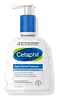
This mild gel cleanser is made to cleanse while respecting your skin barrier.
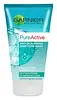
This salicylic acid foaming cleanser is formulated around Salicylic Acid to clear breakouts and unclog pores.


What's inside
What's inside
 Key Ingredients
Benefits
Concerns
Ingredients Side-by-side







Water
Skin ConditioningButane
Butylene Glycol
Humectant

Sodium Laureth Sulfate
Cleansing



Perlite
Absorbent

Disodium Cocoamphodiacetate
CleansingSodium Chloride
MaskingAcrylates/C10-30 Alkyl Acrylate Crosspolymer
Emulsion StabilisingBenzophenone-4
UV Absorber
Benzyl Alcohol
Perfuming




Benzyl Salicylate
Perfuming
Camphor
Masking
Capryloyl Salicylic Acid
Exfoliating


CI 19140
Cosmetic ColorantCI 42090
Cosmetic ColorantMica
Cosmetic ColorantEucalyptus Globulus Leaf Extract
Perfuming
Hydrogenated Castor Oil
Emollient

Hydrogenated Jojoba Oil
Abrasive
Limonene
Perfuming
Linalool
Perfuming
PEG-60 Hydrogenated Castor Oil
Emulsifying
Polyquaternium-47
Skin ConditioningPropylene Glycol
Humectant
Salicylic Acid
Masking


Silica
Abrasive
Sodium Benzoate
Masking
Sodium Hydroxide
BufferingTetrasodium EDTA
Xanthan Gum
EmulsifyingZinc Gluconate
Skin Conditioning
Parfum
Masking
Water, Butane, Butylene Glycol, Sodium Laureth Sulfate, Perlite, Disodium Cocoamphodiacetate, Sodium Chloride, Acrylates/C10-30 Alkyl Acrylate Crosspolymer, Benzophenone-4, Benzyl Alcohol, Benzyl Salicylate, Camphor, Capryloyl Salicylic Acid, CI 19140, CI 42090, Mica, Eucalyptus Globulus Leaf Extract, Hydrogenated Castor Oil, Hydrogenated Jojoba Oil, Limonene, Linalool, PEG-60 Hydrogenated Castor Oil, Polyquaternium-47, Propylene Glycol, Salicylic Acid, Silica, Sodium Benzoate, Sodium Hydroxide, Tetrasodium EDTA, Xanthan Gum, Zinc Gluconate, Parfum
Reviews
Ingredients Explained
These ingredients are found in both products.
Ingredients higher up in an ingredient list are typically present in a larger amount.
Acrylates/C10-30 Alkyl Acrylate Crosspolymer is a synthetic polymer. It is used to thicken, emulsify, and improve the texture of products.
As an emulsifier, it helps stabilize oil-in-water emulsions to give products an elegant feel when applied.
It can also form a thin protective film on skin. One study found that a formula using this polymer helped slow down how quickly other ingredients (like DEET) were absorbed through skin.
A 2024 study of over 1,300 patients confirmed that sensitization to this ingredient is rare. It is also non-mutagenic and has a clean track record.
Learn more about Acrylates/C10-30 Alkyl Acrylate CrosspolymerParfum is a catch-all term for an ingredient or more that is used to give a scent to products.
Also called "fragrance", this ingredient can be a blend of hundreds of chemicals or plant oils. This means every product with "fragrance" or "parfum" in the ingredients list is a different mixture.
For instance, Habanolide is a proprietary trade name for a specific aroma chemical. When used as a fragrance ingredient in cosmetics, most aroma chemicals fall under the broad labeling category of “FRAGRANCE” or “PARFUM” according to EU and US regulations.
The term 'parfum' or 'fragrance' is not regulated in many countries. In many cases, it is up to the brand to define this term.
For instance, many brands choose to label themselves as "fragrance-free" because they are not using synthetic fragrances. However, their products may still contain ingredients such as essential oils that are considered a fragrance by INCI standards.
One example is Calendula flower extract. Calendula is an essential oil that still imparts a scent or 'fragrance'.
Depending on the blend, the ingredients in the mixture can cause allergies and sensitivities on the skin. Some ingredients that are known EU allergens include linalool and citronellol.
Parfum can also be used to mask or cover an unpleasant scent.
The bottom line is: not all fragrances/parfum/ingredients are created equally. If you are worried about fragrances, we recommend taking a closer look at an ingredient. And of course, we always recommend speaking with a professional.
Learn more about ParfumSodium Benzoate is a preservative. It's used in both cosmetic and food products to inhibit the growth of mold and bacteria. It is typically produced synthetically.
Both the US FDA and EU Health Committee have approved the use of sodium benzoate. In the US, levels of 0.1% (of the total product) are allowed.
Sodium benzoate works as a preservative by inhibiting the growth of bacteria inside of cells. It prevents the cell from fermenting a type of sugar using an enzyme called phosphofructokinase.
It is the salt of benzoic acid. Foods containing sodium benzoate include soda, salad dressings, condiments, fruit juices, wines, and snack foods.
Studies for using ascorbic acid and sodium benzoate in cosmetics are lacking, especially in skincare routines with multiple steps.
We always recommend speaking with a professional, such as a dermatologist, if you have any concerns.
Learn more about Sodium BenzoateChances are, you eat sodium chloride every day. Sodium Chloride is also known as table salt. This ingredient has many purposes in skincare: thickener, emulsifier, and exfoliator.
You'll most likely find this ingredient in cleansers where it is used to create a gel-like texture. As an emulsifier, it also prevents ingredients from separating.
You might see people debate whether Sodium Chloride is comedogenic, but there actually haven't been any comedogenic tests done on it. Either way, the overall formulation of a product matters a lot more than any single ingredient.
You might see this ingredient used in scrubs as a primary exfoliating ingredient.
Learn more about Sodium ChlorideWater. It's the most common cosmetic ingredient of all. You'll usually see it at the top of ingredient lists, meaning that it makes up the largest part of the product.
So why is it so popular? Water most often acts as a solvent - this means that it helps dissolve other ingredients into the formulation.
You'll also recognize water as that liquid we all need to stay alive. If you see this, drink a glass of water. Remember to stay hydrated!
Learn more about Water

