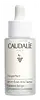
This brightening serum is formulated around Palmitoyl Grapevine Shoot Extract and Squalane to fade the look of dark spots and brighten dull-looking skin.
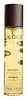
This hydrating oil is formulated around Vitis Vinifera Seed Oil and Argania Spinosa Kernel Oil to hydrate skin and strengthen the skin barrier.

What's inside
What's inside
 Key Ingredients
Benefits
Concerns
Ingredients Side-by-side
Water
Skin ConditioningButylene Glycol
Humectant

Glycerin
Humectant
Coco-Caprylate/Caprate
Emollient
Squalane
Emollient
Palmitoyl Grapevine Shoot Extract
Antioxidant


Polyglyceryl-3 Distearate
Emulsifying

Bisabolol
Antioxidant

Glyceryl Stearate
Emollient
Xanthan Gum
EmulsifyingCaprylyl Glycol
Emollient
Microcrystalline Cellulose
AbsorbentPolyacrylate Crosspolymer-6
Emulsion StabilisingPotassium Sorbate
Preservative
Glyceryl Stearate Citrate
Emollient
Citric Acid
Buffering
Sodium Phytate
ChelatingSodium Hydroxide
BufferingParfum
Masking



Water, Butylene Glycol, Glycerin, Coco-Caprylate/Caprate, Squalane, Palmitoyl Grapevine Shoot Extract, Polyglyceryl-3 Distearate, Bisabolol, Glyceryl Stearate, Xanthan Gum, Caprylyl Glycol, Microcrystalline Cellulose, Polyacrylate Crosspolymer-6, Potassium Sorbate, Glyceryl Stearate Citrate, Citric Acid, Sodium Phytate, Sodium Hydroxide, Parfum
Vitis Vinifera Seed Oil
Emollient
Sesamum Indicum Seed Oil
Emollient
Isoamyl Cocoate

Coco-Caprylate
Emollient
Parfum
Masking
Ethylhexyl Palmitate
Emollient
Butyrospermum Parkii Butter Extract
Skin Conditioning
Helianthus Annuus Seed Oil
Emollient
Hibiscus Sabdariffa Seed Oil
Emollient
Argania Spinosa Kernel Oil
Emollient
Palmitoyl Grape Seed Extract
Skin ConditioningRosmarinus Officinalis Leaf Extract
AntimicrobialSolanum Lycopersicum Fruit/Leaf/Stem Extract
AstringentTocopherol
Antioxidant
Citric Acid
Buffering
Benzyl Salicylate
Perfuming
Linalool
Perfuming
Hydroxycitronellal
Perfuming
Butylphenyl Methylpropional
Perfuming
Limonene
Perfuming
Citronellol
Perfuming
Alpha-Isomethyl Ionone
Perfuming
Geraniol
Perfuming
Vitis Vinifera Seed Oil, Sesamum Indicum Seed Oil, Isoamyl Cocoate, Coco-Caprylate, Parfum, Ethylhexyl Palmitate, Butyrospermum Parkii Butter Extract, Helianthus Annuus Seed Oil, Hibiscus Sabdariffa Seed Oil, Argania Spinosa Kernel Oil, Palmitoyl Grape Seed Extract, Rosmarinus Officinalis Leaf Extract, Solanum Lycopersicum Fruit/Leaf/Stem Extract, Tocopherol, Citric Acid, Benzyl Salicylate, Linalool, Hydroxycitronellal, Butylphenyl Methylpropional, Limonene, Citronellol, Alpha-Isomethyl Ionone, Geraniol
Reviews
Ingredients Explained
These ingredients are found in both products.
Ingredients higher up in an ingredient list are typically present in a larger amount.
Citric Acid is an alpha hydroxy acid (AHA) naturally found in citrus fruits like oranges, lemons, and limes.
Like other AHAs, citric acid can exfoliate skin by breaking down the bonds that hold dead skin cells together. This helps reveal smoother and brighter skin underneath.
However, this exfoliating effect only happens at high concentrations (20%) which can be hard to find in cosmetic products.
Due to this, citric acid is usually included in small amounts as a pH adjuster. This helps keep products slightly more acidic and compatible with skin's natural pH.
In skincare formulas, citric acid can:
While it can provide some skin benefits, research shows lactic acid and glycolic acid are generally more effective and less irritating exfoliants.
Most citric acid used in skincare today is made by fermenting sugars (usually from molasses). This synthetic version is identical to the natural citrus form but easier to stabilize and use in formulations.
Rosacea skin has a lower threshold for acids generally, with 62.5% of rosacea subjects in one study reacting to lactic acid in a sting test. This is why we mark citric acid as a potential rosacea trigger.
However, this ingredient shows up as a pH adjuster or chelator at roughly 0.1-1% in many products. These low levels are unlikely to be an issue for rosacea skin and becomes a potential trigger at exfoliating concentrations (20%). Because everybody's skin is unique, we recommend a patch test if you are unsure.
Learn more about Citric AcidParfum is a catch-all term for an ingredient or more that is used to give a scent to products.
Also called "fragrance", this ingredient can be a blend of hundreds of chemicals or plant oils. This means every product with "fragrance" or "parfum" in the ingredients list is a different mixture.
For instance, Habanolide is a proprietary trade name for a specific aroma chemical. When used as a fragrance ingredient in cosmetics, most aroma chemicals fall under the broad labeling category of “FRAGRANCE” or “PARFUM” according to EU and US regulations.
The term 'parfum' or 'fragrance' is not regulated in many countries. In many cases, it is up to the brand to define this term.
For instance, many brands choose to label themselves as "fragrance-free" because they are not using synthetic fragrances. However, their products may still contain ingredients such as essential oils that are considered a fragrance by INCI standards.
One example is Calendula flower extract. Calendula is an essential oil that still imparts a scent or 'fragrance'.
Depending on the blend, the ingredients in the mixture can cause allergies and sensitivities on the skin. Some ingredients that are known EU allergens include linalool and citronellol.
Parfum can also be used to mask or cover an unpleasant scent.
The bottom line is: not all fragrances/parfum/ingredients are created equally. If you are worried about fragrances, we recommend taking a closer look at an ingredient. And of course, we always recommend speaking with a professional.
Learn more about Parfum

