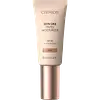
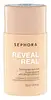
Catrice Skin Like Tinted Moisturizer SPF 30 Versus Sephora Collection Reveal The Real 12HR Soft Radiant Skin Tint


What's inside
What's inside
 Key Ingredients
Benefits
Concerns
Ingredients Side-by-side
Water
Skin ConditioningC12-15 Alkyl Benzoate
AntimicrobialZinc Oxide
Cosmetic Colorant


Propanediol
Solvent

C13-15 Alkane
SolventPolyglyceryl-4 Diisostearate/Polyhydroxystearate/Sebacate
Emulsifying

C9-12 Alkane
SolventIsododecane
EmollientIsopentyldiol
Humectant
Ceramide NP
Skin Conditioning



Tocopherol
Antioxidant



Distarch Phosphate
AbsorbentSaccharide Isomerate
Humectant
Triethoxycaprylylsilane

Magnesium Sulfate
Pentylene Glycol
Skin Conditioning
Zinc Stearate
Cosmetic ColorantXanthan Gum
EmulsifyingTridecane
Perfuming

Disteardimonium Hectorite
StabilisingLecithin
Emollient
Squalane
Emollient
Ascorbyl Palmitate
Antioxidant

Stearic Acid
Cleansing
Citric Acid
Buffering
Sodium Citrate
BufferingSodium Benzoate
Masking
Sodium Dehydroacetate
Preservative
Parfum
Masking

Terpineol
Masking
Vanillin
Masking
CI 77491
Cosmetic ColorantCI 77492
Cosmetic ColorantCI 77499
Cosmetic ColorantCI 77891
Cosmetic ColorantWater, C12-15 Alkyl Benzoate, Zinc Oxide, Propanediol, C13-15 Alkane, Polyglyceryl-4 Diisostearate/Polyhydroxystearate/Sebacate, C9-12 Alkane, Isododecane, Isopentyldiol, Ceramide NP, Tocopherol, Distarch Phosphate, Saccharide Isomerate, Triethoxycaprylylsilane, Magnesium Sulfate, Pentylene Glycol, Zinc Stearate, Xanthan Gum, Tridecane, Disteardimonium Hectorite, Lecithin, Squalane, Ascorbyl Palmitate, Stearic Acid, Citric Acid, Sodium Citrate, Sodium Benzoate, Sodium Dehydroacetate, Parfum, Terpineol, Vanillin, CI 77491, CI 77492, CI 77499, CI 77891
Water
Skin ConditioningIsododecane
EmollientDimethicone
Emollient
CI 77891
Cosmetic ColorantAlcohol Denat.
Antimicrobial

Boron Nitride
Absorbent
Butylene Glycol
Humectant
PEG-10 Dimethicone
Skin Conditioning
Phenyl Trimethicone
Skin Conditioning
Disteardimonium Hectorite
StabilisingMagnesium Sulfate
Hydroxyacetophenone
Antioxidant
CI 77492
Cosmetic ColorantPEG/PPG-18/18 Dimethicone
Emulsifying
Dimethiconol
Emollient
Chlorphenesin
Antimicrobial
CI 77491
Cosmetic ColorantTropaeolum Majus Flower/Leaf/Stem Extract
Skin ConditioningTriethoxycaprylylsilane
Tetrasodium Glutamate Diacetate
Chelating1,2-Hexanediol
Skin Conditioning
Caprylyl Glycol
Emollient
CI 77499
Cosmetic ColorantWater, Isododecane, Dimethicone, CI 77891, Alcohol Denat., Boron Nitride, Butylene Glycol, PEG-10 Dimethicone, Phenyl Trimethicone, Disteardimonium Hectorite, Magnesium Sulfate, Hydroxyacetophenone, CI 77492, PEG/PPG-18/18 Dimethicone, Dimethiconol, Chlorphenesin, CI 77491, Tropaeolum Majus Flower/Leaf/Stem Extract, Triethoxycaprylylsilane, Tetrasodium Glutamate Diacetate, 1,2-Hexanediol, Caprylyl Glycol, CI 77499
Reviews
Ingredients Explained
These ingredients are found in both products.
Ingredients higher up in an ingredient list are typically present in a larger amount.
Ci 77491 is also hydrated iron III oxide. It's sole purpose is to give a red/pink hue to products.
Iron III oxides are classified as inorganic chemicals for coloring.
Synthetically created Ci 77491 is considered safer than those naturally found. This is because the synthetically created version may contain less impurities. Iron oxides are generally non-toxic and non-allergenic.
Learn more about CI 77491CI 77492 is also hydrated iron III oxide. It's sole purpose is to give a yellow hue to products.
Iron III oxides are classified as inorganic chemicals for coloring.
Synthetically created CI 77492 is considered safer than those naturally found. This is because the synthetically created version may contain less impurities. Iron oxides are generally non-toxic and non-allergenic.
Learn more about CI 77492Ci 77499 is also hydrated iron III oxide. It is created from mixing red and black iron oxides. This helps give shades of darkness to a product.
Iron III oxides are classified as inorganic chemicals for coloring.
Ci 77891 is a white pigment from Titanium dioxide. It is naturally found in minerals such as rutile and ilmenite.
It's main function is to add a white color to cosmetics. It can also be mixed with other colors to create different shades.
Ci 77891 is commonly found in sunscreens due to its ability to block UV rays.
Learn more about CI 77891Disteardimonium Hectorite comes from the clay mineral named hectorite. It is used to add thickness to a product.
It can also help stabilize a product by helping to disperse other ingredients.
Hectorite is a rare, white clay mineral.
Learn more about Disteardimonium HectoriteIsododecane is a fragrance, emollient, and solvent.
As an emollient, it helps your skin stay soft and hydrated. Emollients help trap moisture into your skin.
Isododecane's role as a solvent makes it a great texture enhancer. It spreads smoothly on skin and does not leave a sticky feeling behind. Isododecane also helps prevent color transfer in makeup products.
Isododecane is not absorbed into skin.
The chemical name for this ingredient is 2,2,4,6,6-PENTAMETHYLHEPTANE.
Learn more about IsododecaneMagnesium Sulfate is a salt. More specifically, it is an epsom salt, or the bath salt used to help relieve muscle aches.
Despite having ‘sulfate’ in the name, it isn’t a surfactant or cleansing agent like sodium lauryl sulfate. Unlike those sulfates, magnesium sulfate doesn’t have the same cleansing or foaming properties (it's simply a type of salt).
In cosmetics, Magnesium Sulfate is used to thicken a product or help dilute other solids. It is a non-reactive and non-irritating ingredient.
One study shows magnesium deficiency may lead to inflammation of the skin. Applying magnesium topically may help reduce inflammation.
You can find this ingredient in sea water or mineral deposits.
Learn more about Magnesium SulfateTriethoxycaprylylsilane is a silicon-based surface modifier that makes sunscreens feel silky and makeup stay put.
Its main job is to coat mineral particles like titanium dioxide, zinc oxide, and color pigments in a thin, oily layer so they spread smoothly, don't clump, and stick to skin better.
This ingredient is typically used at low levels (up to 2.5% in eyeshadow and 1% in lipstick).
Learn more about TriethoxycaprylylsilaneWater. It's the most common cosmetic ingredient of all. You'll usually see it at the top of ingredient lists, meaning that it makes up the largest part of the product.
So why is it so popular? Water most often acts as a solvent - this means that it helps dissolve other ingredients into the formulation.
You'll also recognize water as that liquid we all need to stay alive. If you see this, drink a glass of water. Remember to stay hydrated!
Learn more about Water

