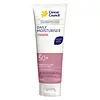
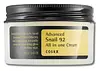
Cancer Council Daily Moisturiser Matte Finish SPF 50+ Versus COSRX Advanced Snail 92 All In One Cream


What's inside
What's inside
 Key Ingredients
Benefits
Concerns
Ingredients Side-by-side
Butyl Methoxydibenzoylmethane 3%
UV Absorber
Octocrylene 3%
UV Absorber


4-Methylbenzylidene Camphor 2%
UV Absorber
Ethylhexyl Triazone 2%
UV Absorber
Aloe Barbadensis Leaf Juice
Skin Conditioning


Cetearyl Alcohol
Emollient




Dimethicone
Emollient

Disodium EDTA
Hydroxyacetophenone
Antioxidant
Isopropyl Palmitate
Emollient
Magnesium Aluminum Silicate
Absorbent
Neopentyl Glycol Diheptanoate
EmollientPhenoxyethanol
Preservative
Polyglyceryl-3 Diisostearate
Emulsifying
Silica
Abrasive

Stearic Acid
Cleansing
Tocopheryl Acetate
Antioxidant

Triethanolamine
BufferingWater
Skin ConditioningXanthan Gum
EmulsifyingButyl Methoxydibenzoylmethane 3%, Octocrylene 3%, 4-Methylbenzylidene Camphor 2%, Ethylhexyl Triazone 2%, Aloe Barbadensis Leaf Juice, Cetearyl Alcohol, Dimethicone, Disodium EDTA, Hydroxyacetophenone, Isopropyl Palmitate, Magnesium Aluminum Silicate, Neopentyl Glycol Diheptanoate, Phenoxyethanol, Polyglyceryl-3 Diisostearate, Silica, Stearic Acid, Tocopheryl Acetate, Triethanolamine, Water, Xanthan Gum
Snail Secretion Filtrate
Skin Conditioning

Betaine
Humectant
Caprylic/Capric Triglyceride
Masking
Butylene Glycol
Humectant
Cetearyl Olivate
Sorbitan Olivate
Emulsifying
Cetearyl Alcohol
Emollient
Carbomer
Emulsion StabilisingEthyl Hexanediol
SolventPhenoxyethanol
Preservative
Arginine
Masking
Dimethicone
Emollient
Sodium Polyacrylate
Absorbent
Sodium Hyaluronate
Humectant

Allantoin
Skin Conditioning
Palmitic Acid
Emollient
Panthenol
Skin Conditioning
Xanthan Gum
EmulsifyingStearic Acid
Cleansing
Adenosine
Skin Conditioning
Water
Skin ConditioningMyristic Acid
Cleansing
Snail Secretion Filtrate, Betaine, Caprylic/Capric Triglyceride, Butylene Glycol, Cetearyl Olivate, Sorbitan Olivate, Cetearyl Alcohol, Carbomer, Ethyl Hexanediol, Phenoxyethanol, Arginine, Dimethicone, Sodium Polyacrylate, Sodium Hyaluronate, Allantoin, Palmitic Acid, Panthenol, Xanthan Gum, Stearic Acid, Adenosine, Water, Myristic Acid
Reviews
Ingredients Explained
These ingredients are found in both products.
Ingredients higher up in an ingredient list are typically present in a larger amount.
Cetearyl alcohol is a waxy mixture of two fatty alcohols: cetyl alcohol and stearyl alcohol. It is an emollient and emulsifier.
Despite having "alcohol" in its name, it has nothing to do with drying solvent alcohols; the FDA also allows "alcohol-free" products to contain fatty alcohols like this ingredient.
It plays several roles in a formula:
Typical use levels for this ingredient sit around 1-10% and the Cosmetic Ingredient Review Expert Panel has affirmed safety at concentrations up to 25% in leave-on products.
Multiple assessments have found it to be non-irritating and non-sensitizing to most people.
However, there have been some cases of allergic contact dermatitis in patients with chronically compromised skin barriers.
Cetearyl alcohol has a comedogenic rating of 2 and irritancy rating of 1. Both of these numbers come from the 1989 study that used rabbit ears; a "2" means mildly comedogenic and a "1" means low irritancy.
Here's the catch: rabbit skin is more sensitive than human skin and throws a lot of false positives. A 1996 reappraisal found that ingredients rated 1-2 in the rabbit ear tests are generally safe for humans.
Remember comedogenic ratings are unable to assess the entire formula of a product or how it will react on your skin. Just be sure to patch test if you are unsure about certain ingredients.
This ingredient is not fungal acne safe. Cetearyl alcohol is a fatty alcohol with chain lengths that fall within the range that Malassezia can metabolize.
A 2019 study has also observed Malassezia growth in the presence of this ingredient, confirming it to be not-fungal acne safe.
Learn more about Cetearyl AlcoholDimethicone is a type of synthetic silicone created from natural materials such as quartz. It is also known as polydimethylsiloxane.
What it does:
Dimethicone comes in different viscosities:
Depending on the viscosity, dimethicone has different properties.
Ingredients lists don't always show which type is used, so we recommend reaching out to the brand if you have questions about the viscosity.
This ingredient is unlikely to cause irritation because it does not get absorbed into skin. However, people with silicone allergies should be careful about using this ingredient.
Note: Dimethicone may contribute to pilling. This is because it is not oil or water soluble, so pilling may occur when layered with products. When mixed with heavy oils in a formula, the outcome is also quite greasy.
Learn more about DimethiconePhenoxyethanol is a preservative that has germicide, antimicrobial, and aromatic properties. Studies show that phenoxyethanol can prevent microbial growth. By itself, it has a scent that is similar to that of a rose.
It's often used in formulations along with Caprylyl Glycol to preserve the shelf life of products.
Stearic Acid is a fatty acid that is already found in your skin. It's one of the free fatty acids that works alongside ceramides and cholesterols to maintain your barrier.
In cosmetics, it is a multitasker:
Safety-wise, the CIR Expert Panel has concluded it to be safe in cosmetics when formulated to be non-irritating and non-sensitizing.
Free stearic acid is a C18 fatty acid that the Malassezia yeast can substrate, so this ingredient may not be fungal acne safe.
Learn more about Stearic AcidWater. It's the most common cosmetic ingredient of all. You'll usually see it at the top of ingredient lists, meaning that it makes up the largest part of the product.
So why is it so popular? Water most often acts as a solvent - this means that it helps dissolve other ingredients into the formulation.
You'll also recognize water as that liquid we all need to stay alive. If you see this, drink a glass of water. Remember to stay hydrated!
Learn more about WaterXanthan gum is used as a stabilizer and thickener within cosmetic products. It helps give products a sticky, thick feeling - preventing them from being too runny.
On the technical side of things, xanthan gum is a polysaccharide - a combination consisting of multiple sugar molecules bonded together.
Xanthan gum is a pretty common and great ingredient. It is a natural, non-toxic, non-irritating ingredient that is also commonly used in food products.
Learn more about Xanthan Gum
