
What's inside
What's inside
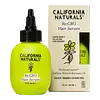 Key Ingredients
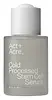
Benefits
Concerns
Ingredients Side-by-side
Water
Skin ConditioningCapixyl
Aloe Barbadensis Leaf Juice
Skin Conditioning


Panthenol
Skin Conditioning

1,2-Hexanediol
Skin Conditioning
Caprylyl Glycol
Emollient
Biotin
AntiseborrhoeicCaffeine
Skin Conditioning
Rosmarinus Officinalis Leaf Oil
Masking
Adenosine
Skin Conditioning
Vitis Vinifera Fruit Cell Extract
Skin ConditioningIsomalt
HumectantLecithin
Emollient
Cucurbita Pepo Seed Oil
Emollient

Serenoa Serrulata Fruit Extract
Skin Conditioning
Malus Domestica Fruit Cell Culture Extract
Skin ConditioningXanthan Gum
EmulsifyingSodium Benzoate
Masking
Ricinus Communis Seed Oil
Masking
Silica
Abrasive

Ethylhexylglycerin
Skin ConditioningCarbomer
Emulsion StabilisingWater, Capixyl, Aloe Barbadensis Leaf Juice, Panthenol, 1,2-Hexanediol, Caprylyl Glycol, Biotin, Caffeine, Rosmarinus Officinalis Leaf Oil, Adenosine, Vitis Vinifera Fruit Cell Extract, Isomalt, Lecithin, Cucurbita Pepo Seed Oil, Serenoa Serrulata Fruit Extract, Malus Domestica Fruit Cell Culture Extract, Xanthan Gum, Sodium Benzoate, Ricinus Communis Seed Oil, Silica, Ethylhexylglycerin, Carbomer
Water
Skin ConditioningGlycerin
Humectant
Butylene Glycol
Humectant
Aloe Barbadensis Leaf Juice
Skin Conditioning
Pentylene Glycol
Skin Conditioning
Propanediol
Solvent
Xanthan Gum
EmulsifyingGlucosamine Hcl
Caprylyl Glycol
Emollient
Glycereth-26
Humectant
Pisum Sativum Extract
Skin ConditioningMalus Domestica Fruit Cell Culture Extract
Skin ConditioningCarbomer
Emulsion StabilisingBambusa Vulgaris Leaf/Stem Extract
HumectantEthylhexylglycerin
Skin ConditioningSodium Hyaluronate
Humectant
Tetrasodium Glutamate Diacetate
ChelatingPhenoxyethanol
Preservative
Quercus Petraea Fruit Extract
Skin ConditioningCollagen
Moisturising
Lecithin
Emollient
Leuconostoc/Radish Root Ferment Filtrate
Antimicrobial
Sodium Benzoate
Masking
Sodium Hydroxide
BufferingPotassium Sorbate
Preservative
Sodium Glycolate
BufferingSodium Formate
Buffering
Citric Acid
Buffering

Water, Glycerin, Butylene Glycol, Aloe Barbadensis Leaf Juice, Pentylene Glycol, Propanediol, Xanthan Gum, Glucosamine Hcl, Caprylyl Glycol, Glycereth-26, Pisum Sativum Extract, Malus Domestica Fruit Cell Culture Extract, Carbomer, Bambusa Vulgaris Leaf/Stem Extract, Ethylhexylglycerin, Sodium Hyaluronate, Tetrasodium Glutamate Diacetate, Phenoxyethanol, Quercus Petraea Fruit Extract, Collagen, Lecithin, Leuconostoc/Radish Root Ferment Filtrate, Sodium Benzoate, Sodium Hydroxide, Potassium Sorbate, Sodium Glycolate, Sodium Formate, Citric Acid
Ingredients Explained
These ingredients are found in both products.
Ingredients higher up in an ingredient list are typically present in a larger amount.
Aloe Barbadensis Leaf Juice is the filtered, stabilized liquid pressed from the inner gel of the aloe vera leaf.
In cosmetics, it shows up as either soothing active or a water-replacement base. It is roughly 98-99% water and the last 1-2% is an interesting mix of polysaccharides, amino acids, vitamins, minerals, and enzymes.
The polysaccharides do most of the work: they bind water at the skin surface for a light, non-greasy hydration boost. And one of the polysaccharides, glycomannan, is linked to fibroblast stimulation + collagen synthesis. This is also why aloe has such a long track record in wound and burn healing.
This ingredient is also calming with anti-inflammatory and mild antimicrobial activity, making it a great pick for sensitive, irritated, or post-sun skin.
Realistic expectations matter though; the solid evidence is mostly limited to hydration, soothing, and wound support. Deeper claims about anti-aging or sun protection are not well backed, and science reviews note it does not prevent radiation-induced skin injury.
Because it plays well with almost everything, it's commonly used as a base alongside other actives like niacinamide or vitamin C.
Typical usage concentrations range from 0.5% (where hydration benefits already show up) all the way to 90%+ (where it replaces water as the main base).
The safety for this ingredient is well-establish as well. Overall, this is a great supporting ingredient for those who want a boost in hydration.
Learn more about Aloe Barbadensis Leaf JuiceCaprylyl Glycol is a humectant, skin conditioner, emollient, and preservative booster derived from either caprylic acid or synthetically created.
Typical use levels vary from 0.3-1% as a preservative booster and go up to 2% to condition skin.
Because it is not a free-fatty acid, this ingredient is fungal acne safe (there's nothing for Malassezia to feed on).
Learn more about Caprylyl GlycolCarbomer is a synthetic thickening and gelling agent. It's basically the ingredient that gives a lot of serums, gels, creams, and sunscreens their smooth, non-sticky texture.
Although legally permitted at very high levels, carbomers are normally used at concentrations below 1%.
It also needs to be neutralized to actually thicken, and because it is a large molecule, it doesn't really penetrate the skin barrier.
Allergy-wise, the risk is very low. Clinical studies show carbomers have low potential for skin irritation/sensitization even at concentrations up to 100%.
A 2024 UK study patch-tested 1,302 patients and found true allergy to the parent group of carbomer to be rare with no confirmed relevant reactions.
Learn more about CarbomerEthylhexylglycerin is created from glycerin. It is a multitasker ingredient that:
The CIR Expert Panel found minimal skin absorption or sensitization of any kind in a safety assessment. Though this ingredient is considered well-tolerated, a small number of cases of allergic dermatitis have been published since 2002. Just be sure to patch test if you are unsure.
Industry-reported use ranges from 8% in rinse-off products and 2% in leave-on formulations.
Learn more about EthylhexylglycerinLecithin is a term for a group of substances found in the cell membranes of plants, animals, and humans. They are made up of phospholipids.
Thanks to its amphiphilic structure (water-loving head and oil-loving tail), it is a true multitasker:
It plays well with most ingredients and is typically used at 0.1-1%. However, concentrations up to 50% have been reported in moisturizers.
Learn more about LecithinThis ingredient comes from a rare Swiss apple known as Uttwiler Spätlauber. It is produced from the cell cultures of the apple and not the fruit itself.
According to manufacturer studies, this ingredient has demonstrated the following benefits:
- Visible anti-wrinkle effect around the eye area (in vivo)
- Enhanced colony-forming efficiency of epidermal stem cells (in vitro)
- Improved ability of skin cells to regenerate and build new tissues in a 3D epidermis model (in vitro)
- Increased skin density (in vitro)
- Boosted vitality of epidermal stem cells (in vitro)
- Reversal of cellular aging signs in fibroblasts (in vitro)
Sodium Benzoate is a preservative. It's used in both cosmetic and food products to inhibit the growth of mold and bacteria. It is typically produced synthetically.
Both the US FDA and EU Health Committee have approved the use of sodium benzoate. In the US, levels of 0.1% (of the total product) are allowed.
Sodium benzoate works as a preservative by inhibiting the growth of bacteria inside of cells. It prevents the cell from fermenting a type of sugar using an enzyme called phosphofructokinase.
It is the salt of benzoic acid. Foods containing sodium benzoate include soda, salad dressings, condiments, fruit juices, wines, and snack foods.
Studies for using ascorbic acid and sodium benzoate in cosmetics are lacking, especially in skincare routines with multiple steps.
We always recommend speaking with a professional, such as a dermatologist, if you have any concerns.
Learn more about Sodium BenzoateWater. It's the most common cosmetic ingredient of all. You'll usually see it at the top of ingredient lists, meaning that it makes up the largest part of the product.
So why is it so popular? Water most often acts as a solvent - this means that it helps dissolve other ingredients into the formulation.
You'll also recognize water as that liquid we all need to stay alive. If you see this, drink a glass of water. Remember to stay hydrated!
Learn more about WaterXanthan gum is used as a stabilizer and thickener within cosmetic products. It helps give products a sticky, thick feeling - preventing them from being too runny.
On the technical side of things, xanthan gum is a polysaccharide - a combination consisting of multiple sugar molecules bonded together.
Xanthan gum is a pretty common and great ingredient. It is a natural, non-toxic, non-irritating ingredient that is also commonly used in food products.
Learn more about Xanthan Gum


