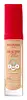
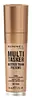
Bourjois Paris Healthy Mix Clean Concealer Versus Rimmel London Rimmel Multi Tasker Better Than Filters


What's inside
What's inside
 Key Ingredients
Benefits
Concerns
Ingredients Side-by-side
Water
Skin ConditioningCorn Starch Modified
AbsorbentDicaprylyl Ether
Emollient
Dicaprylyl Carbonate
EmollientIsododecane
EmollientGlycerin
Humectant

Trimethylsiloxysilicate
Emollient
Silica
Abrasive


Sodium Chloride
MaskingTri (Polyglyceryl-3/Lauryl) Hydrogenated Trilinoleate
EmulsifyingStearalkonium Bentonite
Gel Forming2,3-Butanediol
HumectantCetyl PEG/PPG-10/1 Dimethicone
Emulsifying
Mica
Cosmetic ColorantPropylene Carbonate
SolventParfum
Masking




Tocopherol
Antioxidant





Triethoxycaprylylsilane
Sodium Benzoate
Masking
Chlorphenesin
Antimicrobial
Ascorbyl Palmitate
Antioxidant

Propylene Glycol
Humectant
Panthenol
Skin Conditioning
Methicone
Emollient
Cucumis Melo Fruit Extract
Skin ConditioningPyrus Malus Fruit Extract
Skin Conditioning
Prunus Armeniaca Fruit Extract
Skin ConditioningPotassium Sorbate
Preservative
Citric Acid
Buffering
Benzoic Acid
Masking
Sorbic Acid
Preservative
Pentaerythrityl Tetra-Di-T-Butyl Hydroxyhydrocinnamate
Antioxidant
CI 77891
Cosmetic ColorantIron Oxides
Water, Corn Starch Modified, Dicaprylyl Ether, Dicaprylyl Carbonate, Isododecane, Glycerin, Trimethylsiloxysilicate, Silica, Sodium Chloride, Tri (Polyglyceryl-3/Lauryl) Hydrogenated Trilinoleate, Stearalkonium Bentonite, 2,3-Butanediol, Cetyl PEG/PPG-10/1 Dimethicone, Mica, Propylene Carbonate, Parfum, Tocopherol, Triethoxycaprylylsilane, Sodium Benzoate, Chlorphenesin, Ascorbyl Palmitate, Propylene Glycol, Panthenol, Methicone, Cucumis Melo Fruit Extract, Pyrus Malus Fruit Extract, Prunus Armeniaca Fruit Extract, Potassium Sorbate, Citric Acid, Benzoic Acid, Sorbic Acid, Pentaerythrityl Tetra-Di-T-Butyl Hydroxyhydrocinnamate, CI 77891, Iron Oxides
Water
Skin ConditioningDicaprylyl Carbonate
EmollientTrioctyldodecyl Citrate
EmollientIsododecane
Emollient2,3-Butanediol
HumectantGlycerin
Humectant
Polyglyceryl-4 Diisostearate/Polyhydroxystearate/Sebacate
Emulsifying
Diisostearoyl Polyglyceryl-3 Dimer Dilinoleate
Emollient
Sodium Chloride
MaskingTrimethylsiloxysilicate
Emollient
Boron Nitride
Absorbent
Disteardimonium Hectorite
StabilisingTocopheryl Acetate
Antioxidant
Xanthan Gum
Emulsifying1,2-Hexanediol
Skin Conditioning
Caprylyl Glycol
Emollient
Chlorphenesin
Antimicrobial
Propylene Carbonate
SolventPanthenol
Skin Conditioning
Triethoxycaprylylsilane
Methicone
Emollient
Vaccinium Macrocarpon Fruit Extract
Astringent3-O-Ethyl Ascorbic Acid
Skin Conditioning
Tocopherol
Antioxidant
Pantolactone
Humectant
Mica
Cosmetic ColorantCI 77891
Cosmetic ColorantIron Oxides
Water, Dicaprylyl Carbonate, Trioctyldodecyl Citrate, Isododecane, 2,3-Butanediol, Glycerin, Polyglyceryl-4 Diisostearate/Polyhydroxystearate/Sebacate, Diisostearoyl Polyglyceryl-3 Dimer Dilinoleate, Sodium Chloride, Trimethylsiloxysilicate, Boron Nitride, Disteardimonium Hectorite, Tocopheryl Acetate, Xanthan Gum, 1,2-Hexanediol, Caprylyl Glycol, Chlorphenesin, Propylene Carbonate, Panthenol, Triethoxycaprylylsilane, Methicone, Vaccinium Macrocarpon Fruit Extract, 3-O-Ethyl Ascorbic Acid, Tocopherol, Pantolactone, Mica, CI 77891, Iron Oxides
Ingredients Explained
These ingredients are found in both products.
Ingredients higher up in an ingredient list are typically present in a larger amount.
2,3-Butanediol is a naturally occurring humectant and solvent. It's created from fermentation and can be found in foods like cocoa butter and sweet corn.
This ingredient attracts and holds onto moisture to boost hydration in skin. According to a manufacturer, this ingredient improves the spreadability of ingredients like vitamin C.
Chlorphenesin is a synthetic preservative. It helps protect a product against bacteria in order to extend shelf life. In most cases, Chlorphenesin is paired with other preservatives such as phenoxyethanol and caprylyl glycol.
Chlorphenesin is a biocide. This means it is able to help fight the microorganisms on our skin. It is also able to fight odor-releasing bacteria.
Chlorphenesin is soluble in both water and glycerin.
Studies show Chlorphenesin is easily absorbed by our skin. You should speak with a skincare professional if you have concerns about using Chlorphenesin.
Learn more about ChlorphenesinCi 77891 is a white pigment from Titanium dioxide. It is naturally found in minerals such as rutile and ilmenite.
It's main function is to add a white color to cosmetics. It can also be mixed with other colors to create different shades.
Ci 77891 is commonly found in sunscreens due to its ability to block UV rays.
Learn more about CI 77891Dicaprylyl Carbonate comes from carbonic acid and caprylyl alcohol, a fatty alcohol. It is an emollient and gives skin a velvet feel. The sources of Dicaprylyl Carbonate may be synthetic or from animals.
As an emollient, Dicaprylyl Carbonate creates a film on the skin. This film traps moisture in, keeping your skin soft and hydrated.
Glycerin (or glycerol) is a compound naturally found in your skin. It's a powerhouse humectant that pulls water into the stratum corneum.
Topically, glycerin does several things at once:
Your skin makes glycerin on its own (mostly from sebaceous oil breakdown) and shuttles it to your outermost layer of skin, or your epidermis, via aquaporin-3.
Aquaporin-3 is a transporter that is essential for normal skin hydration, elasticity, and repair. Interestingly, mice lacking in AQP3 have dry and less elastic skin that can be fully corrected with glycerin.
This ingredient is non-irritating, plays well with almost every ingredient, and works across all skin types. Typical use is anywhere between 3-10% but can go up to 79% in some leave-on products.
Just know very high concentrations (>40%) can feel tacky in low humidity.
Glycerin is the name for this ingredient in American English. British English uses Glycerol/Glycerine.
Learn more about GlycerinIsododecane is a fragrance, emollient, and solvent.
As an emollient, it helps your skin stay soft and hydrated. Emollients help trap moisture into your skin.
Isododecane's role as a solvent makes it a great texture enhancer. It spreads smoothly on skin and does not leave a sticky feeling behind. Isododecane also helps prevent color transfer in makeup products.
Isododecane is not absorbed into skin.
The chemical name for this ingredient is 2,2,4,6,6-PENTAMETHYLHEPTANE.
Learn more about IsododecaneMethicone is a type of silicone and is a simpler form of dimethicone.
Silicones are used to enhance the texture of products and have emollient properties. Methicone is used to give products a silky texture and improves spreadability.
Mica is a naturally occurring mineral used to add shimmer and color in cosmetics. It can also help improve the texture of a product or give it an opaque, white/silver color.
Serecite is the name for very fine but ragged grains of mica.
This ingredient is often coated with metal oxides like titanium dioxide. Trace amounts of heavy metals may be found in mica, but these metals are not harmful in our personal products.
Mica has been used since prehistoric times throughout the world. Ancient Egyptian, Indian, Greek, Roman, Aztec, and Chinese civilizations have used mica.
Learn more about MicaPanthenol is a common ingredient that helps hydrate and soothe the skin. It is found naturally in our skin and hair.
There are two forms of panthenol: D and L.
D-panthenol is also known as dexpanthenol. Most cosmetics use dexpanthenol or a mixture of D and L-panthenol.
Panthenol is famous due to its ability to go deeper into the skin's layers. Using this ingredient has numerous pros (and no cons):
Like hyaluronic acid, panthenol is a humectant. Humectants are able to bind and hold large amounts of water to keep skin hydrated.
This ingredient works well for wound healing. It works by increasing tissue in the wound and helps close open wounds.
Once oxidized, panthenol converts to pantothenic acid. Panthothenic acid is found in all living cells.
This ingredient is also referred to as pro-vitamin B5.
Learn more about PanthenolThis ingredient is a solvent. It helps dissolve active ingredients and alter the texture of products.
Propylene Carbonate is commonly used in makeup and with clay, such as montmorillonite or bentonite.
Studies show this ingredient to be safe for cosmetics. When it is undiluted, it can cause skin irritation. (It is always diluted in skincare and makeup). This ingredient is water-soluble.
Propylene Carbonate is created from propylene glycol and carbonic acid.
Learn more about Propylene CarbonateChances are, you eat sodium chloride every day. Sodium Chloride is also known as table salt. This ingredient has many purposes in skincare: thickener, emulsifier, and exfoliator.
You'll most likely find this ingredient in cleansers where it is used to create a gel-like texture. As an emulsifier, it also prevents ingredients from separating.
You might see people debate whether Sodium Chloride is comedogenic, but there actually haven't been any comedogenic tests done on it. Either way, the overall formulation of a product matters a lot more than any single ingredient.
You might see this ingredient used in scrubs as a primary exfoliating ingredient.
Learn more about Sodium ChlorideTocopherol is a fat-soluble antioxidant known as Vitamin E.
You'll find this ingredient in the vast majority of skincare (for good reason). It works to neutralize free radicals, or unstable molecules generated by UV exposure, pollution, and other environmental stressors, before they can cause oxidative damage to your skin cells.
Topically applied tocopherol has been shown to protect against UV damage by ramping up the skin's own natural defense enzymes.
It also acts as a skin conditioning agent; some studies show that regular topical use can improve the skin's water-binding capacity over 2-4 weeks.
This ingredient is especially loved for being a team player. When combined with Vitamin C, the photoprotective effect of both ingredients roughly doubles and the combo also helps reduce UV-induced DNA damage.
This ingredient has some brightening potential but it's more of a prevention ingredient than spot-fader. Cell studies show it can slow down melanin production but it's worth noting that it's not the most powerful brightener out there.
In formulations, it also serves as a stabilizer that helps protect other oxidation-prone ingredients from degrading.
Concentrations usually range from 0.1-1% in most leave-on products.
Learn more about TocopherolTriethoxycaprylylsilane is a silicon-based surface modifier that makes sunscreens feel silky and makeup stay put.
Its main job is to coat mineral particles like titanium dioxide, zinc oxide, and color pigments in a thin, oily layer so they spread smoothly, don't clump, and stick to skin better.
This ingredient is typically used at low levels (up to 2.5% in eyeshadow and 1% in lipstick).
Learn more about TriethoxycaprylylsilaneThis silicone is an emollient. Emollients create a thin film on the skin to prevent moisture from escaping.
It is not soluble in water and helps increase water-resistance in products.
According to a manufacturer, it can blend seamlessly with silicone oils, such as Cyclopentasiloxane.
Learn more about TrimethylsiloxysilicateWater. It's the most common cosmetic ingredient of all. You'll usually see it at the top of ingredient lists, meaning that it makes up the largest part of the product.
So why is it so popular? Water most often acts as a solvent - this means that it helps dissolve other ingredients into the formulation.
You'll also recognize water as that liquid we all need to stay alive. If you see this, drink a glass of water. Remember to stay hydrated!
Learn more about WaterThis ingredient is a combination of red, black, and yellow iron oxide pigments. This combination of colors is usually found in foundation, because it results in a "skin" color.
The EU typically uses CI numbers for colorants when applicable, such as CI 77489. In the US, iron oxides are regulated as color additives and "iron oxides" is the most commonly used name in US cosmetic practice.
A 2021 paper looked at skincare formulations containing iron oxides and found that they reduced transmission of blue light when measured optically. In simple terms, the pigment particles helped block or scatter part of the visible light spectrum in lab testing and the authors suggest this could translate into better protection against blue-light-related skin effects.
There is also clinical and experimental research showing that tinted products containing iron oxides can reduce visible light-induced pigmentation:
Please note, whether a product reduces visible or blue light depends on things like:
In the EU's CosIng database, iron oxides are only listed as a colorant. CosIng groups ingredients by their main cosmetic role, such as colorant, preservative, or UV filter.
Though studies say iron oxides can "attenuate blue light", they're describing an optical property and not an officially recognized cosmetic function.
So CosIng isn’t contradicting the research. It’s just classifying iron oxides by what they officially are: pigments that add color.
Learn more about Iron Oxides


