Biossance Squalane + BHA Pore-Minimizing Toner Versus Biossance Squalane + Antioxidant Cleansing Oil
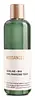
This pore-care toner is formulated around Salix Alba Bark Extract and Squalane to refine the look of pores and balance excess oil.
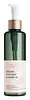
This oil-based makeup remover is made to dissolve makeup, sunscreen, and daily buildup.

What's inside
What's inside
 Key Ingredients
Benefits
Concerns
Ingredients Side-by-side
Water
Skin ConditioningSalix Alba Bark Extract
Astringent


Glycerin
Humectant


Cucumis Sativus Fruit Water
Skin ConditioningSqualane
Emollient
Sorbitan Oleate Decylglucoside Crosspolymer
CleansingBetaine Salicylate
Antimicrobial




Microcitrus Australasica Fruit Extract
Rosmarinus Officinalis Leaf Water
MaskingLavandula Angustifolia Flower Water
Skin Conditioning
Sodium Hyaluronate
Humectant

Melia Azadirachta Leaf Extract
Skin ConditioningMelissa Officinalis Leaf Oil
Masking


Curcuma Longa Root Extract
Antioxidant
Coccinia Indica Fruit Extract
Skin Conditioning
Melia Azadirachta Flower Extract
Skin ConditioningSolanum Melongena Fruit Extract
Skin ConditioningOcimum Basilicum Flower/Leaf Extract
TonicAmber Powder
Corallina Officinalis Extract
Skin Conditioning

Sodium Chloride
MaskingCitric Acid
Buffering

Sodium Gluconate
ChelatingSodium Benzoate
Masking
Potassium Sorbate
Preservative
Pelargonium Graveolens Oil
Masking
Citronellol
Perfuming
Water, Salix Alba Bark Extract, Glycerin, Cucumis Sativus Fruit Water, Squalane, Sorbitan Oleate Decylglucoside Crosspolymer, Betaine Salicylate, Microcitrus Australasica Fruit Extract, Rosmarinus Officinalis Leaf Water, Lavandula Angustifolia Flower Water, Sodium Hyaluronate, Melia Azadirachta Leaf Extract, Melissa Officinalis Leaf Oil, Curcuma Longa Root Extract, Coccinia Indica Fruit Extract, Melia Azadirachta Flower Extract, Solanum Melongena Fruit Extract, Ocimum Basilicum Flower/Leaf Extract, Amber Powder, Corallina Officinalis Extract, Sodium Chloride, Citric Acid, Sodium Gluconate, Sodium Benzoate, Potassium Sorbate, Pelargonium Graveolens Oil, Citronellol
Caprylic/Capric Triglyceride
Masking
Polyglyceryl-2 Caprate
EmulsifyingSqualane
Emollient
Hydrogenated Farnesene
EmollientPolyglyceryl-2 Sesquioleate
Emulsifying
Triethylhexanoin
MaskingCitrus Aurantium Dulcis Oil
Masking
Lavandula Angustifolia Oil
Masking
Rosa Moschata Seed Oil
Emollient
Avena Sativa Kernel Oil
Skin Conditioning
Oenothera Biennis Oil
Emollient
Moringa Oleifera Seed Oil
Emollient
Lavandula Hybrida Oil
Emollient
Rosmarinus Officinalis Leaf Extract
AntimicrobialAnthemis Nobilis Flower Oil
Masking
Helianthus Annuus Seed Oil
Emollient
Tocopherol
Antioxidant
Limonene
Perfuming
Linalool
Perfuming
Caprylic/Capric Triglyceride, Polyglyceryl-2 Caprate, Squalane, Hydrogenated Farnesene, Polyglyceryl-2 Sesquioleate, Triethylhexanoin, Citrus Aurantium Dulcis Oil, Lavandula Angustifolia Oil, Rosa Moschata Seed Oil, Avena Sativa Kernel Oil, Oenothera Biennis Oil, Moringa Oleifera Seed Oil, Lavandula Hybrida Oil, Rosmarinus Officinalis Leaf Extract, Anthemis Nobilis Flower Oil, Helianthus Annuus Seed Oil, Tocopherol, Limonene, Linalool
Reviews
Ingredients Explained
These ingredients are found in both products.
Ingredients higher up in an ingredient list are typically present in a larger amount.
Squalane is the hydrogenated and shelf-stable form of squalene (a lipid that naturally occurs in human sebum).
It is an emollient and skin conditioning agent that is able to integrate seamlessly into the skin's lipid barrier without clogging pores.
This is due to how structurally similar it is to what your skin already produces.
Though it is mostly an emollient that helps soften and hydrate skin, it also has some humectant and occlusive action. Humectants help the skin retain moisture while occlusives seal it in, making squalane a triple-threat moisturizer.
Research shows it has antioxidant capabilities that help protect against stressors like UV exposure, specifically UVA induced oxidative stress. This study also found that it supports collagen biosynthesis in human dermal fibroblasts.
No clinical study has reported significant adverse effects and irritation reactions are very rare from this ingredient (even at 100% concentration).
Overall, it's a fantastic ingredient for hydration and is suitable for all skin types.
This depends on the source. Squalane can be derived from both plants and animals. Most squalane used in skincare comes from plants.
Please note: the source of squalane is only known if disclosed by the brand. We recommend reaching out to the brand if you have any questions about their squalane.
Read more about squalene with an "e".
Though squalane is often called an oil, it’s technically not one. It is a hydrocarbon, meaning it is only made of carbon and hydrogen. True oils are triglycerides and made of fatty acids and glycerol.
The term “oil-free” isn’t regulated so companies can define it however they want. Some exclude all oils, while others just avoid mineral oil or comedogenic oils.
Squalane has a comedogenic rating of 1 from the original 1972 study that tested raw ingredients under occlusion on rabbit ears. This system is not standardized or peer-reviewed, and using the raw ingredients is very different from how diluted cosmetic formulations are used on human skin.
A comedogenic rating of 1 means it is "unlikely to clog pores" according to the original rating system.
The overall formula of a product matters more than the individual ingredients on whether or not it will cause clogged pores.
Learn more about Squalane

