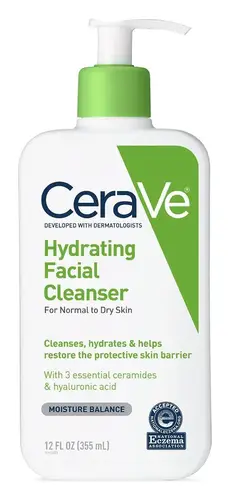
This mild foaming cleanser is mild enough to cleanse without leaving skin feeling tight or stripped.
This glycolic acid gel cleanser is formulated around Glycolic Acid to exfoliate and smooth skin.


What's inside
What's inside
 Key Ingredients
Benefits
Concerns
Ingredients Side-by-side
Water
Skin ConditioningDisodium Cocoamphodiacetate
CleansingCoco-Glucoside
Cleansing
Decyl Glucoside
Cleansing
Glycerin
Humectant


Sodium Levulinate
Skin ConditioningPotassium Sorbate
Preservative
Terminalia Ferdinandiana Fruit Extract
Antioxidant
Aloe Barbadensis Leaf Juice
Skin Conditioning

Betaine
Humectant
Caprylyl/Capryl Glucoside
CleansingSodium Cocoyl Glutamate
Cleansing
Glyceryl Caprylate
EmollientCitric Acid
Buffering


Polyglyceryl-6 Oleate
Emulsifying
Sodium Surfactin
CleansingVaccinium Myrtillus Fruit Extract
Skin ConditioningSaccharum Officinarum Extract
MoisturisingCitrus Aurantium Dulcis Fruit Extract
MaskingCitrus Limon Fruit Extract
Masking
Acer Saccharum Extract
Skin ConditioningGlycyrrhiza Glabra Root Extract
Bleaching
Alpha-Arbutin
Antioxidant
Butylene Glycol
Humectant
Arctostaphylos Uva Ursi Leaf Extract
Skin Conditioning
Silanetriol
Hyaluronic Acid
Humectant

Saccharide Isomerate
Humectant
Sodium Citrate
BufferingCitrus Aurantium Amara Flower Oil
Masking
Water, Disodium Cocoamphodiacetate, Coco-Glucoside, Decyl Glucoside, Glycerin, Sodium Levulinate, Potassium Sorbate, Terminalia Ferdinandiana Fruit Extract, Aloe Barbadensis Leaf Juice, Betaine, Caprylyl/Capryl Glucoside, Sodium Cocoyl Glutamate, Glyceryl Caprylate, Citric Acid, Polyglyceryl-6 Oleate, Sodium Surfactin, Vaccinium Myrtillus Fruit Extract, Saccharum Officinarum Extract, Citrus Aurantium Dulcis Fruit Extract, Citrus Limon Fruit Extract, Acer Saccharum Extract, Glycyrrhiza Glabra Root Extract, Alpha-Arbutin, Butylene Glycol, Arctostaphylos Uva Ursi Leaf Extract, Silanetriol, Hyaluronic Acid, Saccharide Isomerate, Sodium Citrate, Citrus Aurantium Amara Flower Oil
Water
Skin ConditioningDecyl Glucoside
Cleansing
Caulerpa Lentillifera Extract


Beta-Glucan
Skin Conditioning
Sodium Hyaluronate
Humectant
Vaccinium Angustifolium Fruit
AstringentGlycolic Acid
Buffering




Lactic Acid
Buffering
Physalis Peruviana Fruit Extract
Skin ConditioningRubus Idaeus Fruit
AstringentArctostaphylos Uva-Ursi Leaf Extract
Skin Conditioning
Morus Nigra Fruit Extract
Skin ConditioningVaccinium Myrtillus Fruit Extract
Skin ConditioningScutellaria Baicalensis Root Extract
Astringent
Paeonia Suffruticosa Root Extract
Skin ProtectingGlycyrrhiza Glabra Root Extract
Bleaching
Betaine
Humectant
Sodium Chloride
MaskingGlycerin
Humectant
1,2-Hexanediol
Skin Conditioning
Butylene Glycol
Humectant
Parfum
Masking

Water, Decyl Glucoside, Caulerpa Lentillifera Extract, Beta-Glucan, Sodium Hyaluronate, Vaccinium Angustifolium Fruit, Glycolic Acid, Lactic Acid, Physalis Peruviana Fruit Extract, Rubus Idaeus Fruit, Arctostaphylos Uva-Ursi Leaf Extract, Morus Nigra Fruit Extract, Vaccinium Myrtillus Fruit Extract, Scutellaria Baicalensis Root Extract, Paeonia Suffruticosa Root Extract, Glycyrrhiza Glabra Root Extract, Betaine, Sodium Chloride, Glycerin, 1,2-Hexanediol, Butylene Glycol, Parfum
Reviews
Ingredients Explained
These ingredients are found in both products.
Ingredients higher up in an ingredient list are typically present in a larger amount.
Betaine is a humectant. Like hyaluronic acid, it helps attract and retain moisture in the skin. It’s known for being gentle and for helping the skin maintain balanced hydration.
Betaine is mainly used to improve hydration and support calmer skin. It helps skin cells regulate water balance because it functions as an osmolyte.
Some studies suggest betaine may support making skin tone more even.
Fun fact: Betaine naturally exists in the skin and the body. In cosmetic products, it can be either plant-derived (most commonly from sugar beets) or synthetically produced for consistency and stability.
Betaine is also known as trimethylglycine.
Learn more about BetaineButylene Glycol (or BG) is used within cosmetic products for a few different reasons:
Overall, Butylene Glycol is a safe and well-rounded ingredient that works well with other ingredients.
Though this ingredient works well with most skin types, some people with sensitive skin may experience a reaction such as allergic rashes, closed comedones, or itchiness.
Learn more about Butylene GlycolDecyl Glucoside is a plant-derived surfactant and emulsion stabilizer. It is created by reacting glucose with the fatty acids from plants.
Like all surfactants, it works by lowering the surface tension between water and oil. This makes it so that dirt, sebum, and makeup can be lifted off your skin and rinsed away. It also produces a dense and creamy foam.
Because it has a neutral charge, it is compatible with a wide range of ingredients and stays stable across a broad pH range/water hardiness conditions.
Patch testing has shown it to have the lowest irritation potential among common cleansing surfactants (like SLS).
Typical use levels range from 5-20% in rinse-off cleansers.
One thing worth knowing: The American Contact Dermatitis Society named the parent family, alkyl glucosides, "Allergen of the Year" in 2017. The prevalence of allergy is pretty low but be sure to patch test if you've reacted to "gentle" or sulfate-free cleansers before.
This ingredient is fungal acne safe because the fatty alcohol portion of this ingredient is not within the C11-24 chain length that Malassezia can metabolize.
Learn more about Decyl GlucosideGlycerin (or glycerol) is a compound naturally found in your skin. It's a powerhouse humectant that pulls water into the stratum corneum.
Topically, glycerin does several things at once:
Your skin makes glycerin on its own (mostly from sebaceous oil breakdown) and shuttles it to your outermost layer of skin, or your epidermis, via aquaporin-3.
Aquaporin-3 is a transporter that is essential for normal skin hydration, elasticity, and repair. Interestingly, mice lacking in AQP3 have dry and less elastic skin that can be fully corrected with glycerin.
This ingredient is non-irritating, plays well with almost every ingredient, and works across all skin types. Typical use is anywhere between 3-10% but can go up to 79% in some leave-on products.
Just know very high concentrations (>40%) can feel tacky in low humidity.
Glycerin is the name for this ingredient in American English. British English uses Glycerol/Glycerine.
Learn more about GlycerinGlycyrrhiza Glabra Root Extract is an extract of the roots of Licorice. It has been found to have several benefits such as skin hydrating, conditioning, and soothing.
One component, glabridin, has extra potent antioxidant and soothing properties. It has also been found to block pigmentation from UVB rays in guinea pigs.
Licorice Root also contains a flavonoid. Flavonoids are a natural substance from in plants. Flavonoids also have antioxidant properties.
Another component, glycyrrhizin, has been found to have anti-inflammatory and antimicrobial benefits. This may make licorice root extract effective at treating acne. However, more research is needed to support this.
Liquiritin is one of the flavone compounds found in licorice. It has been found to help lighten skin by preventing tyrosinase from reacting with tyrosine. When the two react, protein is converted to melanin. Melanin is the substance in your body that gives your features pigmentation.
Learn more about Glycyrrhiza Glabra Root ExtractVaccinium Myrtillus Fruit Extract comes from the bilberry plant. This plant is native to Eurasia.
Bilberry contains antioxidant compounds called anthocyanins. Anthocyanins help fight free-radicals. Free-radicals are molecules that may damage your skin cells. Fighting off these molecules can help reduce signs of aging.
Vaccinium Myrtillus Fruit Extract also helps reduce irritation.
Learn more about Vaccinium Myrtillus Fruit ExtractWater. It's the most common cosmetic ingredient of all. You'll usually see it at the top of ingredient lists, meaning that it makes up the largest part of the product.
So why is it so popular? Water most often acts as a solvent - this means that it helps dissolve other ingredients into the formulation.
You'll also recognize water as that liquid we all need to stay alive. If you see this, drink a glass of water. Remember to stay hydrated!
Learn more about Water