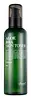
This acne toner is formulated around Salicylic Acid and Snail Secretion Filtrate to clear breakouts and calm redness.
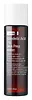
This smoothing exfoliator is formulated around Mandelic Acid and Beta-Glucan to refine skin texture and calm redness.

What's inside
What's inside
 Key Ingredients
Benefits
Concerns
Ingredients Side-by-side
Salicylic Acid 0.5%
Masking










Aloe Barbadensis Leaf Water
MaskingSodium Hyaluronate
Humectant




Snail Secretion Filtrate
Skin Conditioning


Glycerin
Humectant
Pentylene Glycol
Skin Conditioning
Zanthoxylum Piperitum Fruit Extract
Skin ConditioningPulsatilla Koreana Extract
Skin ConditioningUsnea Barbata Extract
Polysorbate 20
Emulsifying
Arginine
Masking
Althaea Rosea Root Extract
HumectantAloe Barbadensis Leaf Extract
Emollient
Aloe Barbadensis Leaf Juice
Skin Conditioning
Beta-Glucan
Skin Conditioning
Polyglutamic Acid
Skin Conditioning
Aspalathus Linearis Extract
Skin ConditioningPortulaca Oleracea Extract
Skin Conditioning
Psidium Guajava Fruit Extract
AstringentSalicylic Acid 0.5%, Aloe Barbadensis Leaf Water, Sodium Hyaluronate, Snail Secretion Filtrate, Glycerin, Pentylene Glycol, Zanthoxylum Piperitum Fruit Extract, Pulsatilla Koreana Extract, Usnea Barbata Extract, Polysorbate 20, Arginine, Althaea Rosea Root Extract, Aloe Barbadensis Leaf Extract, Aloe Barbadensis Leaf Juice, Beta-Glucan, Polyglutamic Acid, Aspalathus Linearis Extract, Portulaca Oleracea Extract, Psidium Guajava Fruit Extract
Water
Skin ConditioningMandelic Acid
Antimicrobial

Butylene Glycol
Humectant
Beta-Glucan
Skin Conditioning
Panthenol
Skin Conditioning
Glycyrrhiza Glabra Root Extract
Bleaching
Prunus Amygdalus Dulcis Fruit Extract
Skin ConditioningSodium Hyaluronate
Humectant
Centella Asiatica Extract
Cleansing
Sorbitan Sesquioleate
Emulsifying
Sorbitol
Humectant
Glycerin
Humectant
Houttuynia Cordata Extract
Skin Conditioning
Chlorphenesin
Antimicrobial
Dimethyl Sulfone
SolventArginine
Masking
Sodium Citrate
BufferingCarbomer
Emulsion StabilisingEthylhexylglycerin
Skin ConditioningPEG-60 Hydrogenated Castor Oil
Emulsifying
1,2-Hexanediol
Skin Conditioning
Natto Gum
Water, Mandelic Acid, Butylene Glycol, Beta-Glucan, Panthenol, Glycyrrhiza Glabra Root Extract, Prunus Amygdalus Dulcis Fruit Extract, Sodium Hyaluronate, Centella Asiatica Extract, Sorbitan Sesquioleate, Sorbitol, Glycerin, Houttuynia Cordata Extract, Chlorphenesin, Dimethyl Sulfone, Arginine, Sodium Citrate, Carbomer, Ethylhexylglycerin, PEG-60 Hydrogenated Castor Oil, 1,2-Hexanediol, Natto Gum
Reviews
Alternatives
Ingredients Explained
These ingredients are found in both products.
Ingredients higher up in an ingredient list are typically present in a larger amount.
Arginine is a semi-essential amino acid. This just means our bodies can product a bit on its own, but sometimes needs a little boost from food sources.
It is a part of your skin's natural moisturizing factor (NMF), or the water-loving molecules in your outermost layer of skin (stratum corneum) that keeps everything hydrated and happy.
Here's an interesting thing about Arginine: your skin converts it into urea through the Krebs-Henseleit urea cycle. Urea is one of the most effective humectants your skin naturally produces.
A clinical study showed applying 2.5% arginine hydrochloride to atopic dermatitis skin showed significant urea levels in the stratum corneum and improved moisture in just four weeks.
Arginine is also a precursor to nitric oxide; nitric oxide improves microcirculation and supports wound healing and collagen synthesis.
One study found that an amino acid complex containing Arginine reduced skin irritation, improved hydration, and accelerated skin repair in clinical / in-vivo studies.
Arginine itself is an amino acid and not a fatty acid, oil, or ester. On its own, it's not a direct food source for Malassezia, or the yeast that causes fungal acne.
Learn more about ArginineBeta-Glucan is a soluble polysaccharide (a chain of glucose sugars) sourced from the cells walls of oats, baker's yeast, mushrooms, and seaweed.
It's a rare ingredient that pulls double-duty as a heavy-duty hydrator and skin-soothing repair agent.
On the surface, it acts as a humectant that holds water in place and reduces moisture loss for a plumper, smoother feel, while its anti-inflammatory and antioxidant properties make it a great pick for calming redness or sensitive skin
The more interesting story is underneath:
Despite its large molecular size, oat beta-glucan has been shown to penetrate the epidermis and reach the dermis by slipping between skin cells. Here, it interacts with fibroblasts and macrophages to nudge collagen synthesis and support wound repair.
A small 2005 split-face clinical study of 27 subjects found topical beta-glucan produced measurable reductions in wrinkle depth, height, and roughness after 8 weeks of use.
It is worth noting the trial was small and the penetration testing used frozen, irradiated skin so the anti-aging data is encouraging rather than definitive.
This ingredient gets along with pretty much everything and is typically used around 0.1-1%.
Fungal acne: This ingredient is not a food source for the Malassezia yeast because it is a glucose polysaccharide with no fatty acid or ester component.
Learn more about Beta-GlucanGlycerin (or glycerol) is a compound naturally found in your skin. It's a powerhouse humectant that pulls water into the stratum corneum.
Topically, glycerin does several things at once:
Your skin makes glycerin on its own (mostly from sebaceous oil breakdown) and shuttles it to your outermost layer of skin, or your epidermis, via aquaporin-3.
Aquaporin-3 is a transporter that is essential for normal skin hydration, elasticity, and repair. Interestingly, mice lacking in AQP3 have dry and less elastic skin that can be fully corrected with glycerin.
This ingredient is non-irritating, plays well with almost every ingredient, and works across all skin types. Typical use is anywhere between 3-10% but can go up to 79% in some leave-on products.
Just know very high concentrations (>40%) can feel tacky in low humidity.
Glycerin is the name for this ingredient in American English. British English uses Glycerol/Glycerine.
Learn more about GlycerinSodium Hyaluronate is the salt form of hyaluronic acid. It is a long sugar chain that is naturally found in your skin, joints, and connective tissue that maintains hydration and elasticity.
In skincare, it works as a humectant. It pulls water from the environment and deeper layers of skin and binds it to the surface.
Interestingly, the size of the molecule affects its behavior:
Some clinical evidence links low molecular weight versions to improved wrinkle depth, elasticity, anti-inflammatory effects, and barrier repair.
Many serums use a blend of both weights so you can get surface hydration plus longer-lasting and deeper effects.
You'll typically see concentrations between 0.1-2% for this ingredient.
Learn more about Sodium Hyaluronate

